Lexis+ AI and the Utah State Bar: Building a Trusted Hub for the Future of Legal Practice

Generative artificial intelligence is no longer a distant concept in the legal profession; it is an active force reshaping how lawyers research, draft, analyze, and serve clients. Recognizing this shift, the Utah State Bar has approved LexisNexis as its trusted AI partner, bringing Lexis+ AI® to Utah attorneys as part of a broader commitment to innovation and professional excellence.

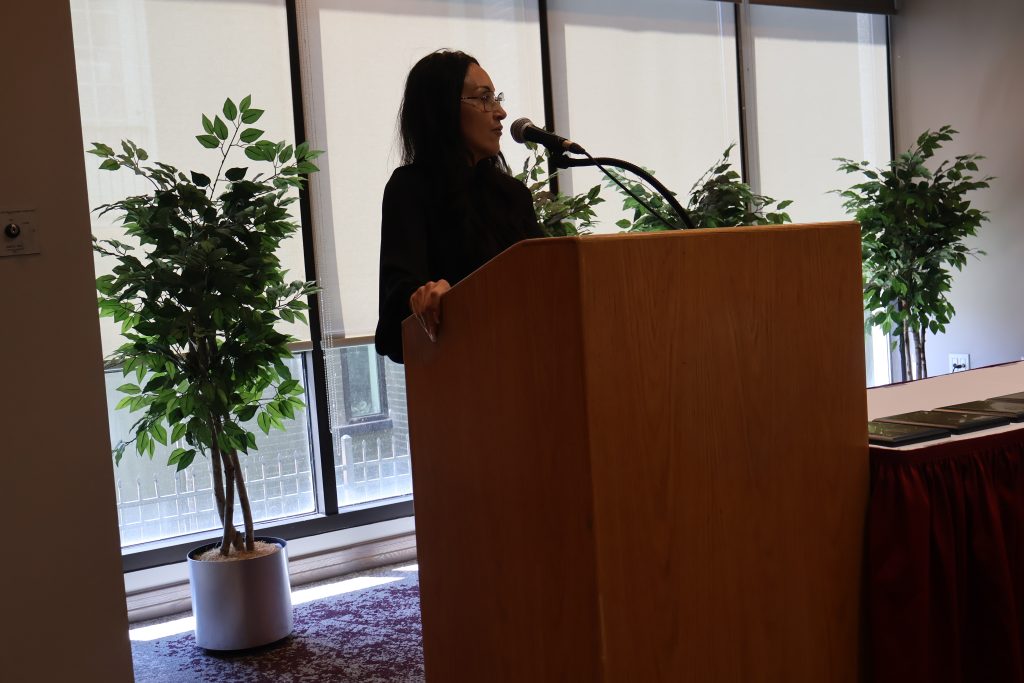
This partnership was announced at the Fall Forum and represents more than access to a new technology. It reflects a strategic investment in helping licensees work smarter, stay competitive, and confidently navigate an evolving legal landscape.

As part of this initiative, the Bar launched a dedicated AI resource page, which is designed to serve as a centralized hub for understanding generative AI. The page offers curated tools, educational materials, and practical insights that help lawyers move beyond experimentation and toward responsible, effective adoption of AI. (Access the AI resource page through your Practice Portal.)

Rather than leaving attorneys to evaluate AI tools on their own, the resource page provides guidance grounded in professional standards, ethics, and real-world legal workflows. It is a space where lawyers can explore emerging technology with confidence, knowing the tools highlighted are built specifically for the legal profession.

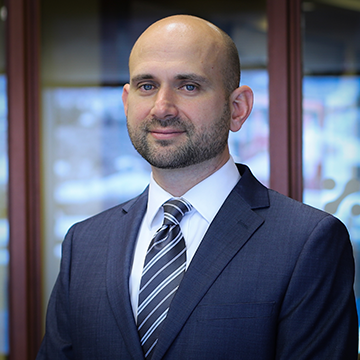
Additionally, the Bar’s AI Standing Committee and Innovation in Law Practice Committee have collaborated to provide information specifically for Utah lawyers. Below is a video from Nick Hafen, the chair of the innovation committee, who provides guidance on precautions to take when using AI.

Why Lexis+ AI Matters for Today’s Legal Practice

The approval of LexisNexis as the Bar’s trusted AI partner ensures that attorneys have access to AI solutions developed with legal accuracy, reliability, and confidentiality as core priorities. As AI becomes increasingly central to legal work, trusted technology is no longer optional.

Lexis+ AI supports attorneys by:

  • Streamlining legal research and document review
  • Generating strong first drafts of legal documents
  • Providing fast, clear answers to complex legal questions
  • Grounding results in authoritative, trusted legal content

These capabilities allow lawyers to spend less time on repetitive tasks and more time applying judgment, strategy, and advocacy for their clients.

What Sets Lexis+ AI Apart

Lexis+ AI functions as a legal research assistant purpose-built for attorneys, not a general consumer AI tool adapted for law. Key advantages include:

  • Research in seconds
    Lawyers can receive clear summaries, answers, and case insights quickly—always tied to authoritative sources that can be reviewed and verified.
  • Smarter drafting
    The platform helps generate polished first drafts with linked citations, making it easier to confirm accuracy and refine work product.
  • Built for lawyers
    Guardrails reduce errors, help prevent hallucinations, and ensure outputs remain grounded in real law, not speculation.
  • Client-safe by design
    User prompts remain private and are not used to train external AI models, supporting confidentiality and ethical compliance.
  • A competitive edge
    By working faster without sacrificing accuracy, attorneys can keep pace with the profession’s technological evolution while maintaining high standards of legal practice.

Empowering Lawyers to Stay Ahead

The Bar’s partnership with LexisNexis underscores a forward-looking approach to supporting its licensees. By pairing Lexis+ AI with a dedicated AI resource page, the Bar is giving attorneys not just access to technology, but the context, education, and trust framework needed to use it responsibly and effectively.

For lawyers navigating increasing client expectations, tighter timelines, and growing information complexity, tools like Lexis+ AI can be a meaningful advantage when implemented thoughtfully and with professional safeguards in place.

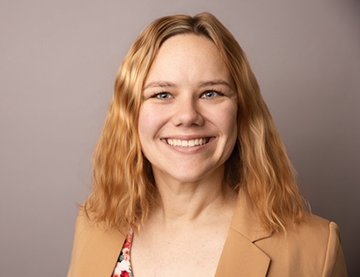
Another video done collaboratively with the Bar’s AI committee and innovation committee features helpful generative AI tools and tips from AI Committee Chair Bennett Borden and innovation committee member, Victoria Carrington. Watch it to get their expertise recommendations from the tools they use in their own practices.

Lexis+ AI is only one of many benefits available through the Bar. Attorneys who have not yet explored the free AI resource page are encouraged to add the card on their Practice Portals to explore the full range of resources and support available or to reach out with questions about joining.

As the legal profession continues to evolve, the Bar remains committed to equipping its licensees with the tools and insights needed to thrive today and in the years ahead. If you decide that Lexis+ AI is right for you, you’ll get a 15% discount for being a Bar licensee. Don’t forget you also have free access to Decisis! Nearly 2,500 Utah lawyers are using the free research platform, which is focused on core primary law (cases, statutes) with a simple interface and strong citator. It is also available on your Practice Portal.

RELATED: Decisis is the New Free Legal Research Tool for Active Utah State Bar Lawyers


Subject-matter inspiration informed by industry analysis authored by Pamela Langham. This article is an original work and does not reproduce her language or structure.

Protecting the Courts, Protecting the Public: The Meaning Behind Utah’s Attorney Oath

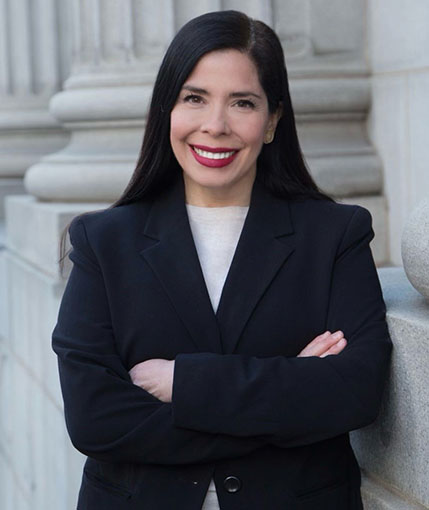
By Kim Cordova
Utah State Bar President

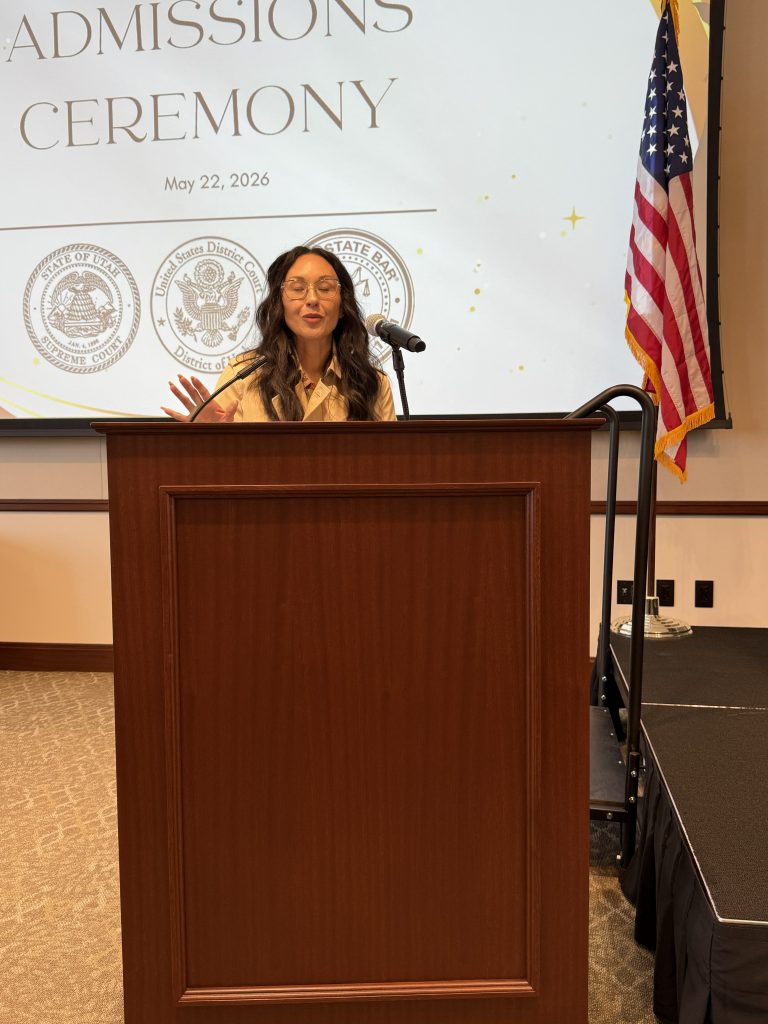
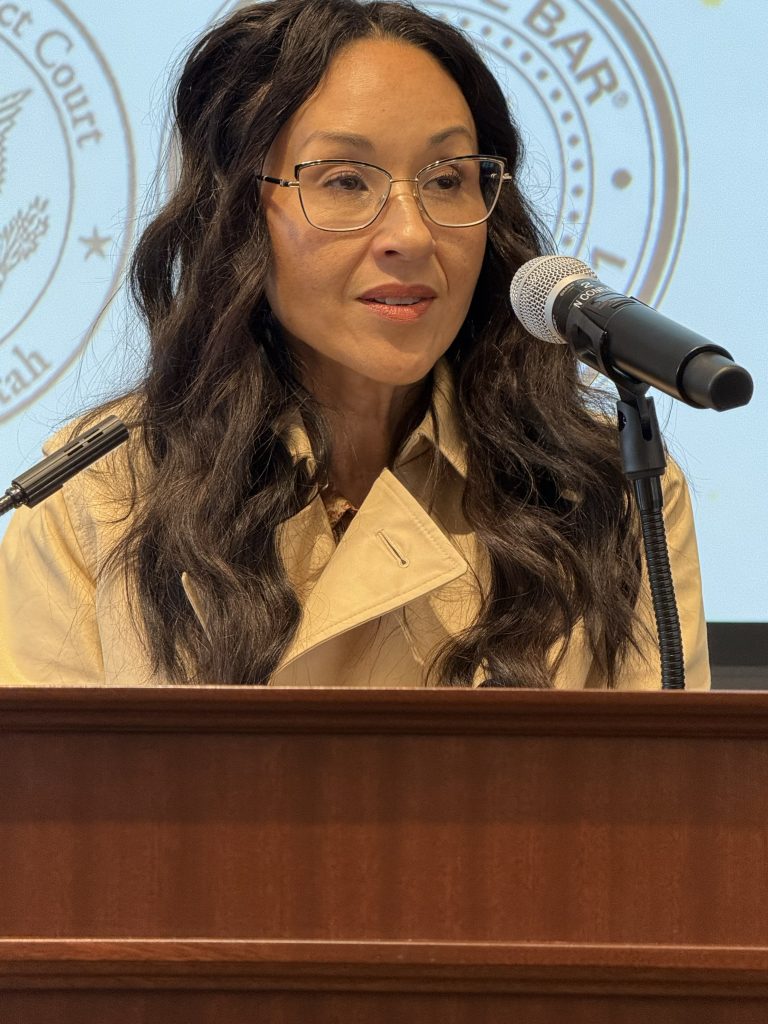
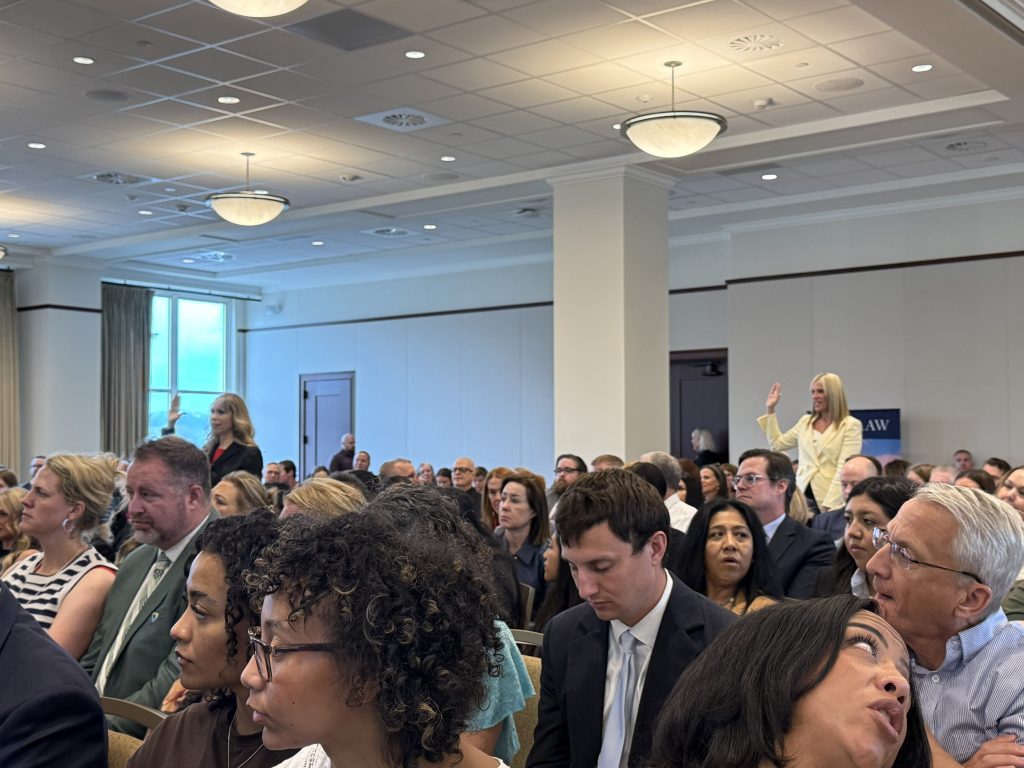
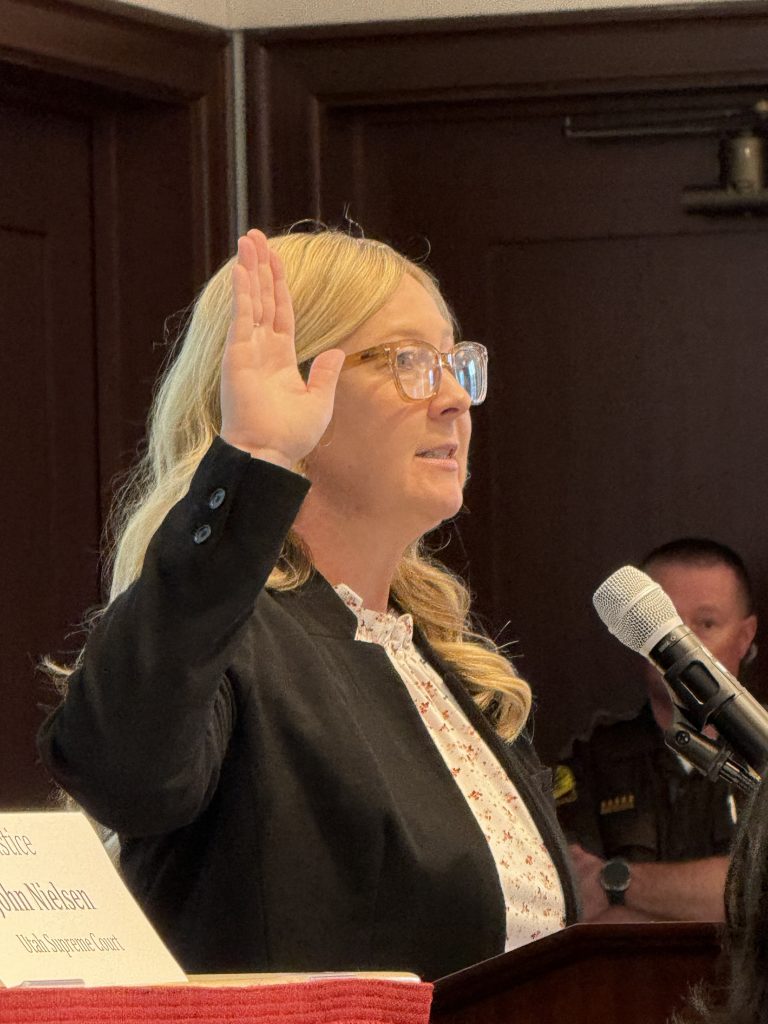
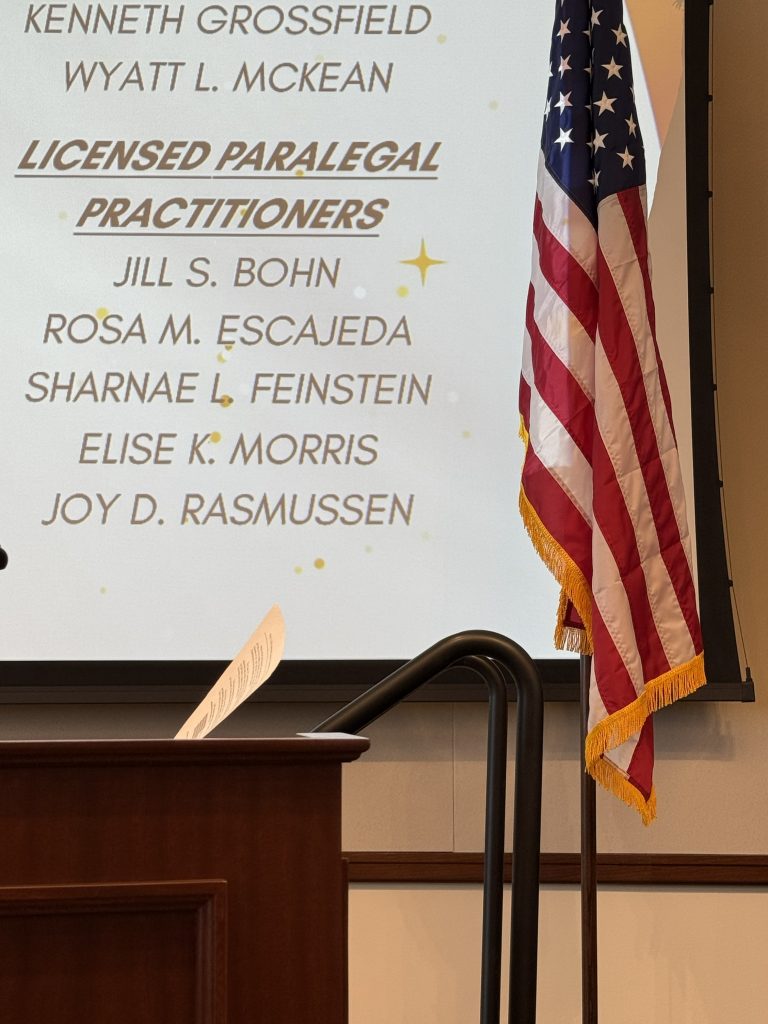
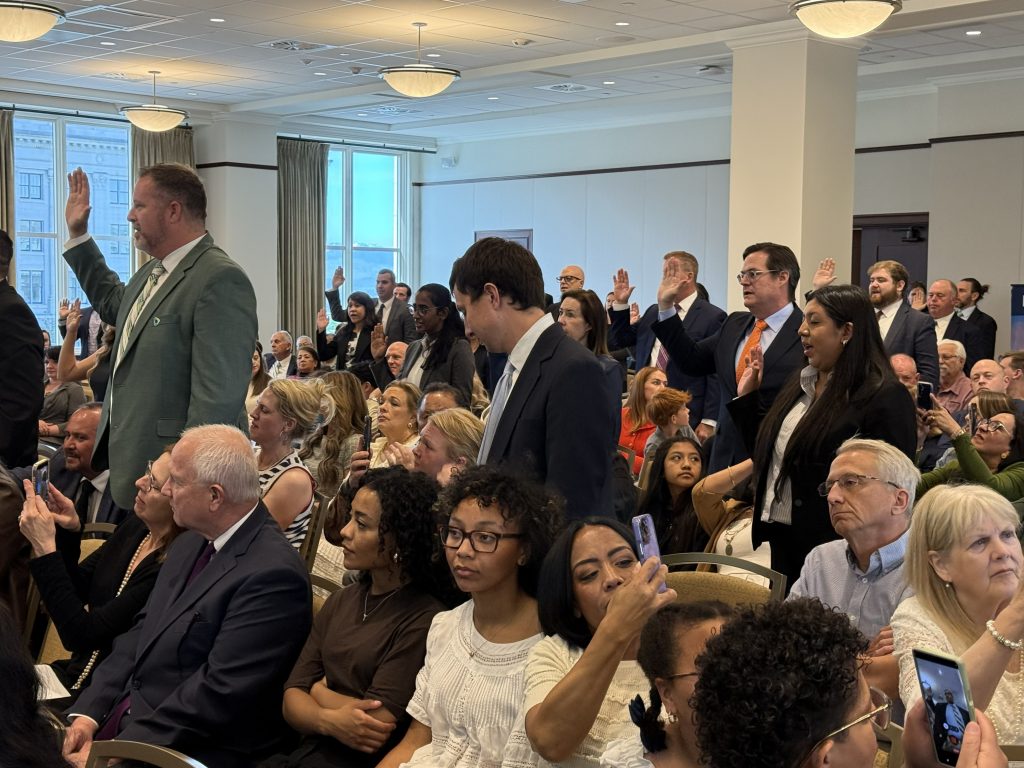
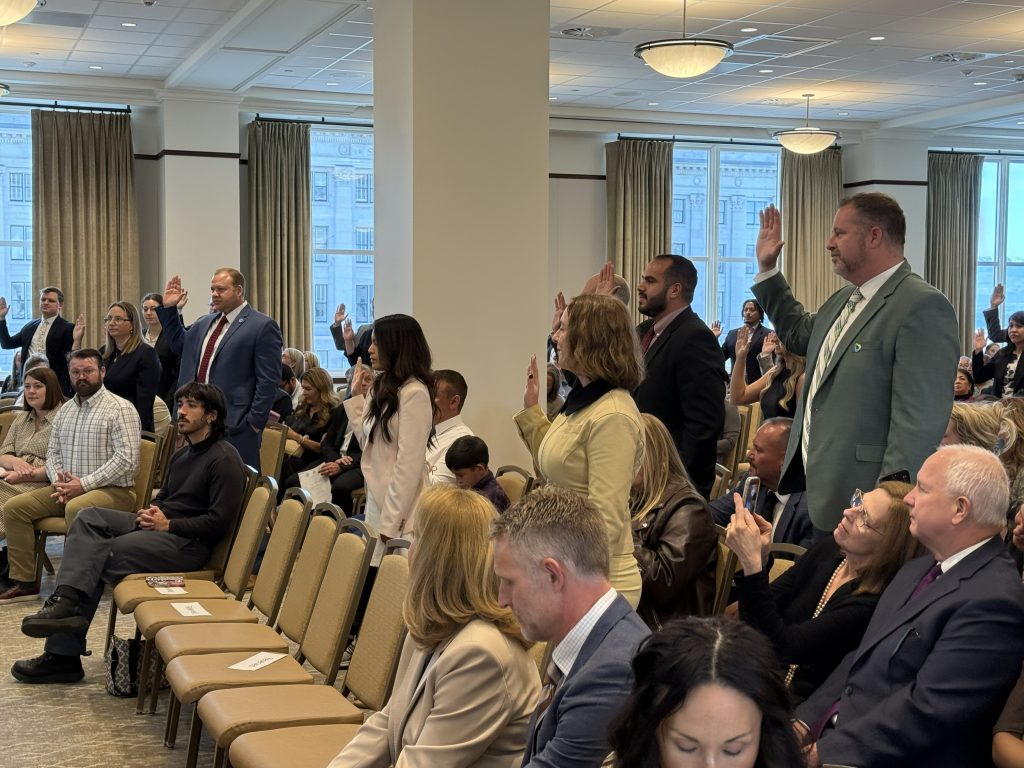
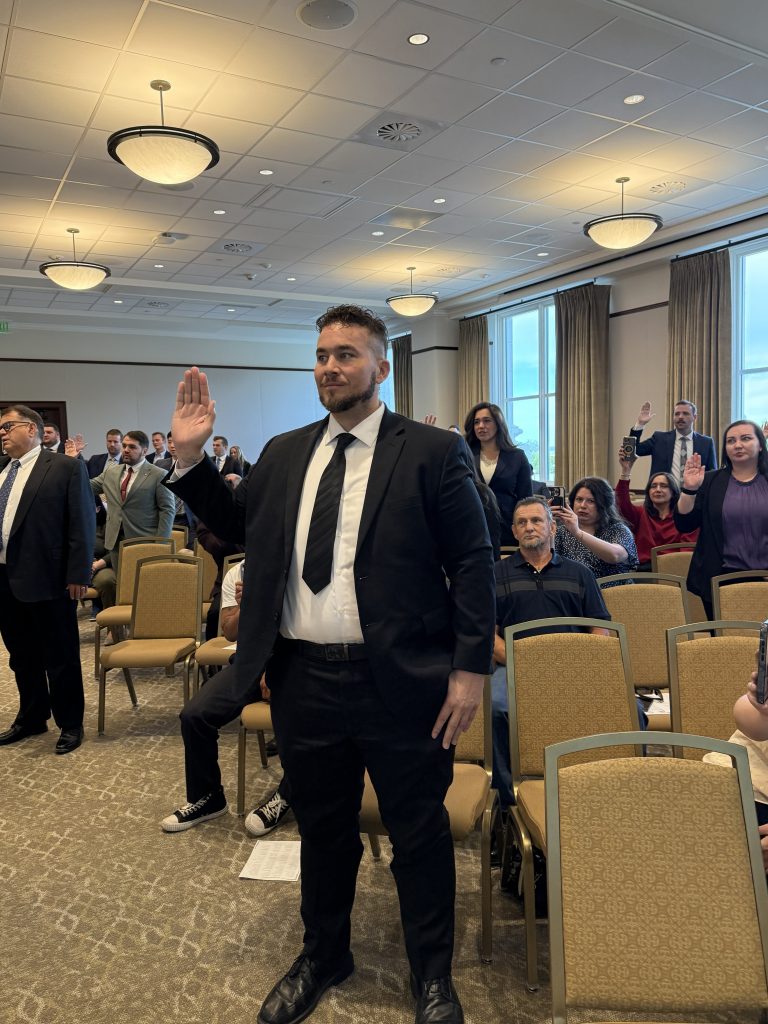
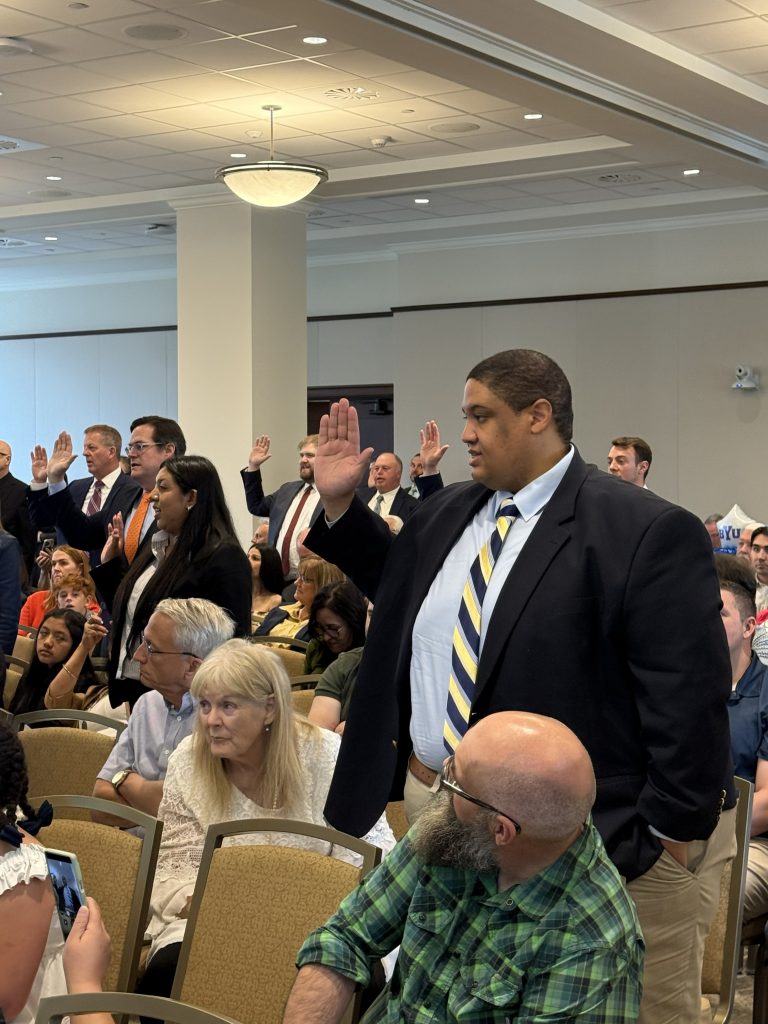
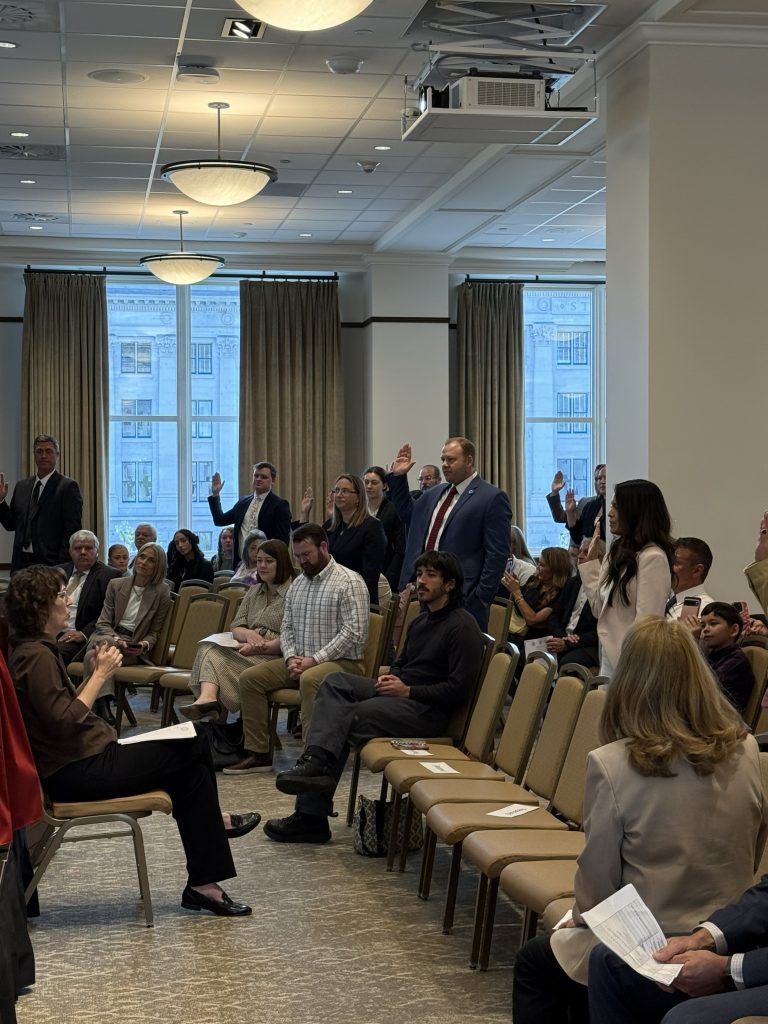
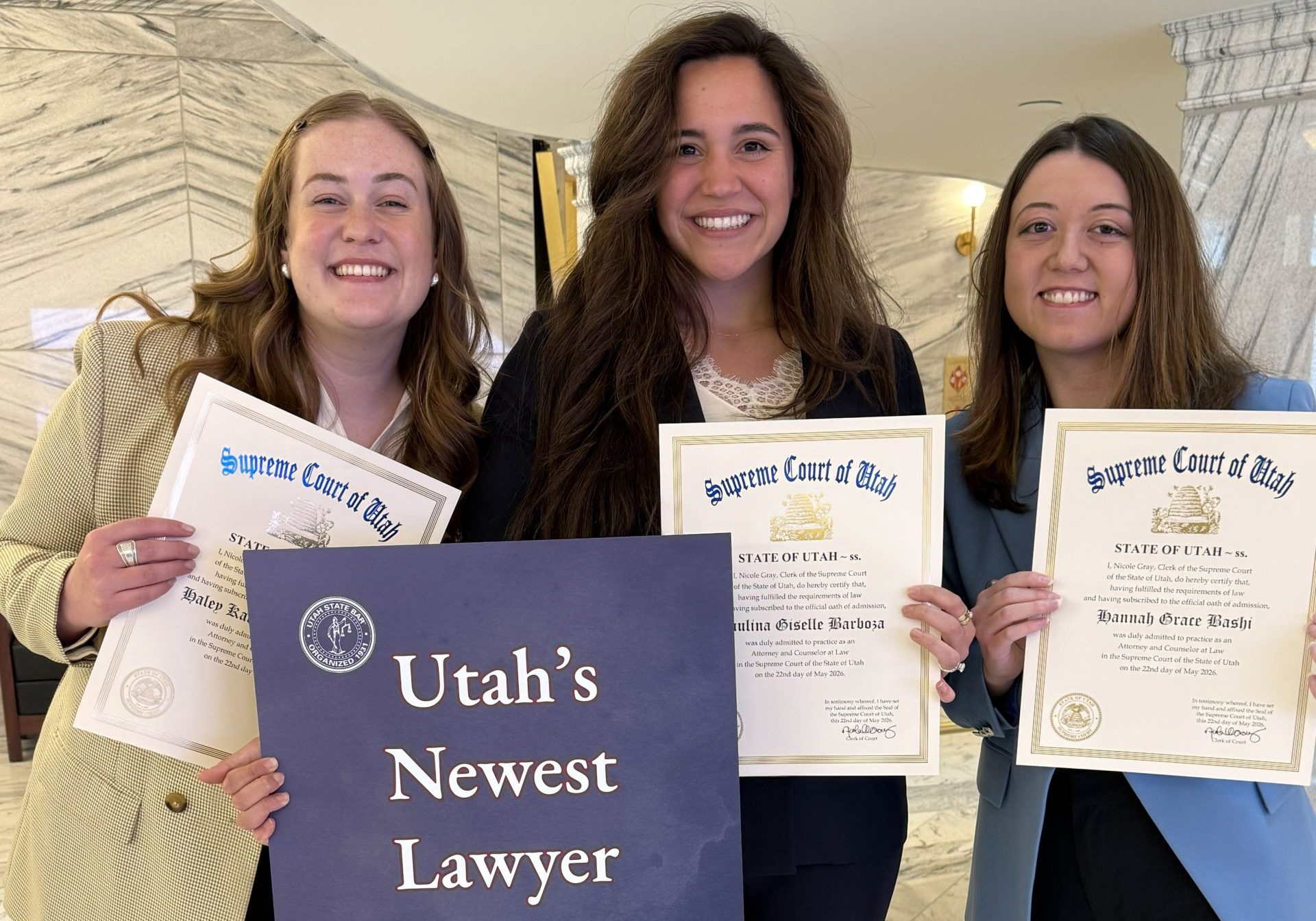
Every community depends on the rule of law, whether it is ensuring a teacher is treated fairly in the workplace, a family navigating a custody dispute, or a small business owner working to resolve a financial disagreement. Behind every legal right stands a lawyer sworn by an oath to protect it. This oath, administered by the Clerk of the Court at the Utah Supreme Court, is not simply a formality or procedural step. It is a public promise to uphold the standards and values that maintain trust in our legal system and ensure fairness for everyone.

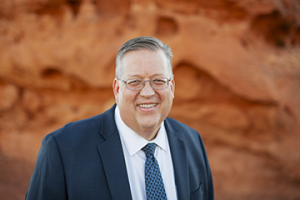
Kim Cordova, Utah State Bar Presidednt

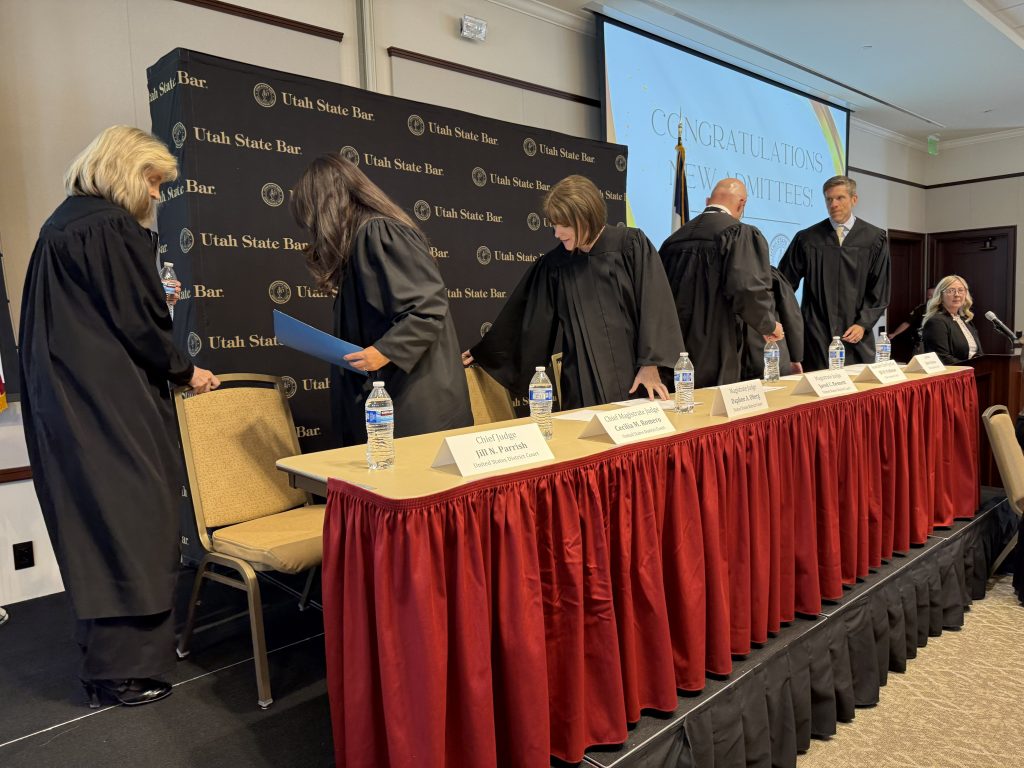
The Utah State Bar’s decision to record a video of the attorney oath serves as a public reaffirmation that the Bar is not a private membership organization but an arm of the court whose purpose is to support and strengthen the judiciary.

By capturing legal professionals repeating the oath on camera, the Bar demonstrates its collective commitment to the rule of law, the integrity of the justice system, and the duty to act in service to the public rather than personal or political interests. The oath is not simply a requirement of licensure but a continuing promise to uphold honesty, professionalism, civility, and constitutional principles in every legal matter that reaches Utah’s courts.

In the words of the Bar’s oath-video script, “Every right we hold to speak, to vote, to be treated fairly depends on one thing: the law being upheld by those sworn to protect it,” and the closing reminder, “The oath we take is a promise we keep,” captures why recording and sharing the oath publicly strengthens trust between the legal profession, the courts, and the people of Utah.

The official wording of the oath makes the responsibilities clear. It reads,
“I do solemnly swear that I will support, obey and defend the Constitution of the United States and the Constitution of Utah; that I will discharge the duties of attorney and counselor at law as an officer of the courts with honesty, fidelity, professionalism, and civility; and that I will faithfully observe the Rules of Professional Conduct and the Standards of Professionalism and Civility promulgated by the Supreme Court of the State of Utah.” This single paragraph contains several promises that define the professional identity of every Utah legal practitioner.

The first commitment, “support, obey and defend the Constitution,” places a legal professional’s loyalty not with a particular client, agency, or judge, but with constitutional principles. This means that attorneys are bound to protect individual rights, due process, and the foundational structure of our democracy. They act as guardians of fairness, even in cases that are difficult, controversial, or not publicly popular.

The second promise, to discharge their duties with honesty, fidelity, professionalism, and civility, establishes the ethical tone of the profession. Attorneys are expected to be truthful in their communications with clients and the courts, remain loyal to their professional commitments, and conduct themselves with respect toward opposing counsel and all other participants in the legal process. Although the public sometimes views legal disputes as personal battles, the oath reinforces that professionalism and civility are required at all times.

The third promise, to faithfully observe the Rules of Professional Conduct and the Standards of Professionalism and Civility, emphasizes accountability. These rules are not suggestions, and they apply even when no one is watching. Practitioners are obligated to protect clients from conflicts of interest, maintain confidentiality, provide competent legal work, and avoid actions that erode confidence in the justice system. When legal professionals choose to follow both the letter and spirit of these rules, they reinforce public trust in the legal system as a place where people can be heard and treated fairly.

The oath also represents a commitment that continues throughout a legal professional’s career rather than ending the day it is spoken. Lawyers uphold their oath when they advocate for clients with honesty, when they seek solutions rather than conflict for its own sake, when they show dignity toward others even during heated disputes, and when they support legal access for those who might otherwise be unheard. The closing message in the Utah Bar oath-video script captures this idea by stating, “The oath we take is a promise we keep.”

Ultimately, the oath matters to every Utahn because when legal professionals honor it, families, children, workers, and businesses receive fair treatment. Due process is respected, the innocent are protected, those facing accusations receive a fair opportunity to be heard, and individual freedoms remain secure. The law protects the people, and legal professionals protect the law through their oath.

Changes to Dependent Mental Health Coverage Supporting the Practice of Law

The Utah State Bar is committed to supporting the well-being of its licensees as they navigate the unique demands of the legal profession. Mental health plays a critical role in a lawyer’s ability to practice competently, ethically, and effectively, and access to meaningful support remains a priority for the Bar.

As part of this commitment, the Bar has continued to offer six free mental health sessions through Tava Health to active lawyers, Licensed Paralegal Practitioners (LPPS), and members of the Paralegal Division. This benefit is designed to support licensees in the United States directly in managing the stresses and professional responsibilities inherent in the practice of law.

However, effective February 1, mental health services for inactive licensees and dependents—including children and other family members—will no longer be available through the Tava Health program (with the exception of couples therapy). While this was not an easy decision, it reflects the increasing cost of providing dependent coverage and the Bar’s responsibility to ensure that its limited resources remain focused on benefits that directly support licensees in their professional roles.

We recognize that the mental health of family members can significantly affect a lawyer’s ability to focus, perform, and maintain well-being in the practice of law. For that reason, the Bar encourages self-pay, the use of private insurance, or alternative resources that may help fill in the gap for families seeking support.

Utah-Based Mental Health Resources

Families may consider the following Utah-based providers and tools:

  • Mindless Labs – Free app of mental health support and digital tools
  • Healthy Mind Map – A digital support tool designed to complement therapy and promote engagement between sessions
  • Infinite Mind – An app focused on improving cognitive performance through evidence-based exercises

These programs generally provide therapy as part of training for advanced counseling students, supervised by licensed clinicians:

National and Online Resources

Families may also find support through the following organizations and platforms, many of which offer free education, tools, or reduced-cost services:

  • ElizaChat – An AI-powered mental health companion guided by licensed professionals (not a substitute for therapy)
  • The Trevor Project – Crisis intervention and suicide prevention services for LGBTQ+ individuals

The Bar understands that changes to benefits, particularly those affecting families, can be difficult. While dependent coverage through Tava Health will no longer be available, the Bar remains committed to transparency, responsible stewardship of resources, and supporting licensees in maintaining the mental and emotional health necessary for the practice of law.

If you have questions regarding this change or need assistance locating resources, please do not hesitate to reach out. You may contact Executive Director Elizabeth Wright at elizabeth.wright@utahbar.org. For more information or to enroll in Tava Health, click here.

Utah Judiciary launches new Veterans Court to support former service members in the justice system

PRESS RELEASE

Ogden, Utah (Dec. 29, 2025) — The Utah State Courts will officially launch a new Veterans Court in the Second District Court on January 5, 2026. Veterans Court is a specialized program designed to support military veterans who become involved in the criminal justice system. It will serve residents of Weber, Davis, and Morgan counties.

Veterans Court is a problem-solving court that connects eligible veterans with treatment, mentoring, and support services while holding participants accountable through close judicial supervision. The program recognizes that some veterans face unique challenges related to military service, including post-traumatic stress, substance use disorders, and difficulties transitioning to civilian life.

Please join us for a news conference launching the start of Veterans Court in the Second District:

Who:

Gov. Spencer Cox

Jennie Taylor, Veterans Advocate and Gold Star Widow

Judge Craig Hall, 2nd District Court Judge

When:

Monday, January 5

10:00 a.m.

Where:

Ogden Second District Court

Courtroom 2D

2525 Grant Avenue, Ogden

The news conference will be followed by a reception. Media are invited to attend and speak with officials and possibly former participants about how Veterans Court works and the benefits it brings to Second District.

“This court is about accountability, treatment, and dignity,” said Judge Craig Hall. “Veterans Court allows us to address the underlying issues that may bring veterans into the justice system, while also honoring their service and helping them move forward in a productive way.”

Participants who qualify for Veterans Court will engage in a structured program that may include mental health treatment, substance abuse counseling, regular court appearances, and mentorship from fellow veterans. Successful completion can result in reduced charges or alternative sentencing, depending on the case.

Veterans Court programs already operate successfully in Utah’s Third and Fourth Districts but expanding the program to the Second District is especially important given the proximity to Hill Air Force Base and the significant veteran population it serves.

# # #

Tania Mashburn
She/Her/Hers
Director of Communications
801-712-4545taniam@utcourts.gov

Streamlining Utah Practice: How to Set Up Your E-Filing and xChange Accounts

Efficient interaction with Utah’s courts depends on two core systems used by attorneys: eFlex for electronic filing and service, and xChange for accessing statewide court records. These systems support filings in Utah’s district courts, justice courts, and appellate courts, as well as e-filing services provided through the Utah State Bar.

Although both systems are documented on the Utah Courts website, the Utah State Bar continues to receive frequent questions from practitioners about how to get started. The following quick-start checklists summarize the essential steps so Bar licensees can establish access and begin filing without delay.

E-Filing Account Setup: Quick Steps for Attorneys

Utah attorneys file documents electronically through certified Electronic Filing Service Providers (EFSPs). The primary EFSP used by attorneys statewide is eFlex, developed and maintained by Tybera. eFlex is the system used for attorney e-filing in Utah trial courts and appellate courts and is also the platform through which the Utah State Bar provides e-filing services.

Utah State Bar eFiling Portal

eFlex functions as a full-service attorney e-filing and service platform, allowing licensed attorneys and authorized staff to submit pleadings, motions, and other documents; receive court notices and filings; manage payment of filing fees; and track submission status across cases.

To get started using eFlex:

  • Navigate to the eFlex website through the Utah Courts or Utah State Bar e-Filing pages.
  • Select Create an Attorney Account. You will need:
    • Your Utah Bar number
    • A valid email address associated with your licensing records
    • Firm and contact information
  • Complete identity verification and accept the required user agreements.
  • Add a payment method (credit card or ACH) for filing fees and service charges.
  • If you work with multiple firms or file in different capacities, confirm that your firm affiliations and contact details are correctly configured before submitting filings.
  • Review e-filing training materials and confirm that all PDF documents meet Utah Courts’ technical requirements, including proper formatting, file size limits, and Optical Character Recognition (OCR).
  • If documents are scanned, OCR must be applied using PDF software (such as Adobe Acrobat or equivalent) before uploading them into eFlex.

Once your account is approved, you may submit filings electronically to Utah district courts, justice courts, and appellate courts, as applicable, and receive service and notices through the system.

About Certified Electronic Filing Service Providers (EFSPs)

Utah’s e-filing system operates under a multi-vendor certification model. EFSPs act as intermediaries between filers and the courts by routing documents to the courts’ e-filing system and providing workflow, service, and payment tools commonly used by attorneys.

Certified EFSPs approved for Utah courts include Tybera (eFlex), GreenFiling, Judicialink, LLC, and COURTPATH. Each provider offers its own interface and pricing structure. Attorneys may choose the provider that best aligns with their practice needs; however, eFlex by Tybera is the primary system used by the Utah State Bar and is widely adopted across Utah courts.

xChange Account Setup: Quick Steps for Attorneys

xChange is the Utah Courts’ secure, subscription-based system for accessing statewide district and justice court case information. It provides real-time access to docket activity, filings, party information, hearing dates, and case histories, making it an essential research and case-management tool for attorneys.

Practitioners use xChange to monitor their own cases, conduct conflict checks, verify case status, track opposing counsel activity, and prepare for hearings with current and accurate docket data.

To set up an xChange account:

  • Visit the Utah Courts xChange login page.
  • Select Set Up a New xChange Account.
  • Register using your Utah Bar number and the email address associated with your attorney licensing records.
  • Choose a billing option (monthly subscription or per-search billing).
  • Complete and submit the required licensing and user agreement forms electronically.
  • Once approved, log in to begin searching statewide district and justice court records.

Utah Courts xChange login page

Effective use of xChange supports accurate filings, reduces administrative delays, and strengthens strategic case management across Utah’s courts.

Together, e-filing and xChange create a unified workflow: e-Filing ensures your pleadings and motions are submitted accurately and on time, while xChange provides immediate visibility into docket activity, judicial orders, case statuses, and upcoming hearings. This dual-access model reduces administrative friction, minimizes the risk of missed deadlines or unnoticed filings, and enables more informed decision-making throughout the life of a case.

How e-Filing and xChange Work Together

Together, eFlex and xChange create a unified attorney workflow. e-Filing through eFlex ensures pleadings and motions are submitted accurately, timely, and in compliance with court rules. xChange provides immediate visibility into docket activity, judicial orders, case statuses, and upcoming hearings.

This dual-system approach minimizes the risk of missed deadlines or unnoticed filings, reduces administrative friction, and enables more informed decision-making throughout the life of a case.

Where to Go for Help

The Utah State Bar cannot provide technical support for court-managed systems or third-party EFSP platforms.

  • E-Filing Issues:
    • Contact your Electronic Filing Service Provider (EFSP) directly.
    • For court-specific filing questions, contact an e-Filing Specialist in the district where you are filing.
    • For justice court filings, contact the justice court directly.
  • Data Correction Requests:
    • Requests to correct errors in e-filed information (such as misspelled party names or incorrect judgment amounts) must be submitted in PDF or Word format, following court instructions.
  • General Court Procedural Questions:
    • Administrative Office of the Courts: 801-578-3800

xChange Support

For assistance with xChange access, subscriptions, or technical issues, email courtsystems@utcourts.gov

Court Self-Help and General Court Process Assistance

  • Utah Courts Self-Help Center: 1-888-683-0009
    (Not attorney-specific, but helpful for general procedural questions)
  • Local Court Clerk Contacts:
    Use the Utah Courts interactive map to locate judicial districts or courthouses and access contact information and administrative resources.
  • Utah State Courts Forms Hotline: 801-238-7990
    Court forms are also available through the Utah Courts website.

Top of Form

Bottom of Form

*AI assisted with the content for this blog. Please email communications@utahbar.org with missing or corrected information.

Effective Client Communication Is All About Details and Documentation

By Mark Bassingthwaihte, Esq.

              ABA Model Rule 1.4 Communication seems clear on its face. Attorneys are to keep clients reasonably informed about the status of their matters as well as to promptly comply with reasonable requests for information. Attorneys are to also explain a matter to the extent reasonably necessary to permit all clients to make informed decisions regarding their representation. Maybe I’m just not seeing it, but all this seems rather straightforward to me. If it were that simple, however, why do attorneys continue to face disciplinary complaints and malpractice claims in the numbers they do for simply failing to communicate? I believe, in part, it’s because many don’t fully understand what the rule is saying.

              I have found it helpful to analyze Rule 1.4 from a slightly different perspective than what’s commonly done, which is to take it at face value and focus on what needs to be communicated and when. We’re often told of the importance of returning phone calls in a timely fashion, forwarding copies of all relevant documents, providing regular and detailed billing, and personally visiting with the client to explain the status of a matter sufficient to allow the client to make informed decisions when deemed necessary. While important, I would like to come at the rule from the perspective of who gets to decide what.

              Beyond what is set forth above, Rule 1.4 also states that an attorney shall inform the client of any decision or circumstance that requires the client’s informed consent under the Rules. This brings Rule 1.2 Scope of Representation and the conflict rules into play. In addition, the Rule 1.4 tells us that an attorney is to reasonably consult with the client about the means by which the client’s objectives are to be accomplished. For me, this language shifts the emphasis of the rule. Rule 1.4 isn’t just about what an attorney thinks a client needs to know. It’s also stating that an attorney is to communicate all that a client reasonably expects to be told throughout the course of representation. There is real value in shifting the focus from what an attorney thinks should be shared and moving it toward what a client would reasonably expect his or her attorney to share. 

              With this in mind, what are the ramifications of Rule 1.4 day to day? Certainly, promptly returning phones calls, timely responding to client requests for information, forwarding copies of documents, and the regular sending of detailed bills are a given. But there is more. An attorney should keep clients informed of all court dates, all filings, and all offers to settle or mediate. Also, don’t overlook telling clients about any changes to your contact information such as a change in your address, phone number, or email. Yes, perhaps a shift in perspective wasn’t necessary to develop this list thus far; but I will share that many attorneys regularly struggle with following through on just these basics.

              Typical rationalizations or excuses include the client doesn’t really need to be bothered with this, I know what my client will say or decide anyway, I don’t have the time to tell them, the client doesn’t want to be billed for the time it will take, etc. In short, attorneys start to run with assumptions and rationalizations when it comes to the basics of effective communication. This can be a dangerous play.

              How could the above list of suggested communication best practices be expanded? Consider scope of representation. An attorney hired to handle litigation for a financial institution will understandably want to focus solely on the litigation. On the other hand, the client who has hired this attorney may be expecting the attorney to see the “big picture” and keep them informed about everything in play, to include issue spotting. What if there is a regulatory reporting and/or compliance issue peripheral to the litigation? If the attorney is not up to handling the related issue, she must say so because the client will often reasonably expect their attorney to not only issue spot, but to take care of the related matter or at least inform them of anything the attorney is not competent to or perhaps prepared to handle so that appropriate attention can be given to that peripheral issue. This is one reason why documenting scope of representation is critically important with all clients. Again, it is all about considering what clients would reasonably expect to be told.

              So, now we can expand our list of ramifications to include the following. Clients should be told what the scope of representation is and also what it isn’t. They should be informed of their rights, especially in criminal matters. The ramifications of any actual or potential conflict issues should be fully explained prior to any client agreeing to representation. Client permission should be sought and obtained for granting extensions of time to adverse parties, stipulating to evidence or testimony, agreeing to continuances, and for making and/or rejecting any and all settlement offers. Clients expect to be told when their matter has concluded and what, if anything, they must yet do. And whether through inability or oversight, clients must also be informed of a failure to act on the client’s matter or that their case has been dismissed. Clients do reasonably expect to be informed about any and all of the above regardless of whether it’s good news or bad.

              This shift in perspective helps keep the emphasis on the expectations of your clients. Remember it is you who is in their employ, and they are the ones who get to make many of the important decisions. This reality does not in any way, shape or form minimize your role as the attorney. In fact, I believe this perspective helps to elevate your role. Consider the word “counselor” in light of Rule 1.4 and ask yourself what might that word mean in daily practice? For me, it means an attorney is to advise the client about the legal and practical aspects of any given matter. She is to identify and evaluate alternative solutions, pointing out the positive and negatives of each. The goal is to enable the client “…to participate intelligently in decisions concerning the objectives of the representation and the means by which they are to be pursued.” (See Comment 5 to Rule 1.4 of the ABA Model Rules.)

              This intended outcome does require you to approach communication from the client’s perspective. What clients expect to be told will vary with every client and every matter. Talk to your clients and try to determine their expectations from the outset. Ask yourself “what does the client need to know to be able to make intelligent decisions.” The bottom line is clients do expect to be fully informed, and attorneys have an ethical obligation to meet that expectation. Here’s the kicker, however. Your communication efforts must be handled in a way that seeks to ensure that the client understands and comprehends all that is being communicated about all that must be decided. Forwarding copies just doesn’t cut it.

              Of course, all of your communication efforts may be for naught if there is no contemporaneously made documentation of what was communicated by both you and your clients. Of particular importance is documenting any and all advice given, coupled with creating a record of the decision-making process. Note what information was shared with you that you based your advice upon and detail why you gave the advice you gave.  Also make sure you document what the client’s reasons were for making any decision made, especially if the decision was not entirely in line with the advice you gave.

              I’ve heard all kinds of excuses for why attorneys fail to follow through with thoroughly documenting all files along these lines.  “It isn’t necessary,” “It takes too much time,” “There are too many other things we have to do,” “The client would be offended if we did that,” and “We’re trying to keep costs down” are commonly shared. Just remember that’s all well and good until someone questions what you did or why you did it. Memories are short, yours included. Never forget the following. If you didn’t document it, it wasn’t said, or it didn’t happen. That’s how it often plays out in the world of discipline and malpractice.

Mark Bassingthwaighte, Esq. Is the resident Risk Manager at ALPS Insurance. To learn more about how ALPS can support your solo or small firm visit: alpsinsurance.com

Public Parking Closure at Scott M. Matheson Courthouse – Updated Implementation Details

PRESS RELEASE

Salt Lake City (Dec. 17, 2025) — The Utah State Courts previously announced the permanent closure of public parking at the Scott M. Matheson Courthouse parking garage, effective January 1, 2026. That closure date remains in effect for the general public.

Update: Public parking in the Matheson parking garage will close on January 1, 2026, as previously announced. However, the implementation date has been extended for court patrons with a valid disability placard or license plate. The closure date for such spaces will be announced at a later time.

Patrons displaying a valid disability placard or license plate may continue to use the parking garage after January 1, 2026. Those patrons should be aware that access will be subject to increased security screening and should plan additional time when traveling to the courthouse.

Court patrons without a valid disability placard or license plate are encouraged to plan ahead by reviewing alternative parking and transportation options when attending proceedings at the Matheson Courthouse.

RELATED: Utah Judiciary Announces Change to Public Parking at the Matheson Courthouse

CONTACT
Tania Mashburn
She/Her/Hers
Director of Communications
801-712-4545
taniam@utcourts.gov

Gov. Cox appoints Joel Ferre to the Third District Court

PRESS RELEASE

SALT LAKE CITY (Dec. 17, 2025) – Utah Gov. Spencer J. Cox has appointed Joel Ferre to the
Third District Court, filling the vacancy created by Judge Mark Kouris’s retirement. Judicial
appointments are subject to confirmation by the Utah Senate.

“Joel Ferre has spent decades doing the unglamorous work that keeps the system honest by
following the facts, applying the law, and protecting the public,” Gov. Cox said. “Utah will be
well served by his steady judgment on the Third District Court.”

Ferre has served as an Assistant United States Attorney for the District of Utah since 2018,
leading civil enforcement efforts in cases involving health care fraud, opioid diversion, and
violations of federal statutes protecting public funds and programs. He has represented the
United States in federal district court, handling both affirmative and defensive matters. In
recognition of the Office’s efforts to combat the opioid epidemic, he received the United States
Department of Justice Local Impact Opioid Team Enforcement Award in 2024. He was also
recognized as Civil Division Lawyer of the Year in 2023.

Before joining the U.S. Attorney’s Office, Ferre served in the Utah Attorney General’s Office,
where he directed the Tort Section and later served as Deputy Director of the Litigation Division.
In that role, he defended the State of Utah and its agencies in litigation involving personal injury,
employment discrimination, and complex business disputes.

“I am sincerely grateful to Governor Cox for this nomination and the opportunity to continue
serving the people of Utah,” Ferre said. “I have dedicated my career to serving the citizens of
Utah, and if fortunate to be confirmed by the Senate, I will continue to serve with integrity,
compassion, and a deep respect for the rule of law.”

Ferre earned his law degree from the University of Utah’s S.J. Quinney College of Law and a
bachelor’s degree in political science from Weber State University. He is a member of the Utah
State Bar.

###

ROBERT CARROLL | Director of Communications
OFFICE OF GOV. SPENCER J. COX
STATE OF UTAH
801-243-2290

VIDEO: Exploring the GenAI Tools Transforming Legal Workflows

In a new 14-minute video, AI Committee Chair Bennett Borden and Innovation in Law Practice Committee Member Victoria Carrington provide a clear-eyed walkthrough of today’s most practical generative AI tools for legal professionals. Their discussion focuses not on hype, but on how these technologies can responsibly augment legal work while preserving the ethical rigor that defines the profession.

Bennett BordenBorden and Carrington spotlight several widely used platforms, such as ChatGPT, Microsoft Copilot, Zoom AI Companion, Notebook LM, Notion AI, and others. They talk about each platform offering targeted capabilities that can streamline research, expedite drafting, support matter organization, or clarify complex concepts for clients and colleagues. Whether used to summarize lengthy documents, generate issue-spotting outlines, or organize case-related materials, these systems can help lawyers reclaim valuable time for higher-order analysis and client engagement.

Victoria Carrington

The presenters reiterate an essential principle throughout: no AI tool should ever replace legal judgment. Outputs must be reviewed, verified, and refined by a licensed professional. Copy-and-paste shortcuts, no matter how tempting, risk undermining accuracy, confidentiality, and professional responsibility. AI is an accelerant, not an autopilot.

RELATED: Navigating Generative AI in Law: Five Ethical Principles Every Lawyer Should Remember

For Bar licensees seeking to explore these tools in a structured and reliable way, the video also highlights the LexisAI resource page in the Practice Portal, available at no cost. This curated environment offers guided access to trusted research support, helping practitioners incorporate generative AI into their workflows without compromising quality or compliance. (As a Bar licensee, you also have the benefit of receiving a 15% discount when purchasing LexisAI.)

As Borden and Carrington emphasize, generative AI is not about changing what it means to practice law; it is about changing how legal work gets done. For seasoned attorneys, emerging practitioners, and even clients navigating their own documents, these tools can illuminate pathways through legal complexity — provided they are used thoughtfully, ethically, and always under the steady hand of human expertis14

*AI assisted with the writing of this blog.

Legislative–Judicial Tensions Addressed Head-On in Utah State Bar’s ‘Let’s Talk & Let’s Listen’ Forum

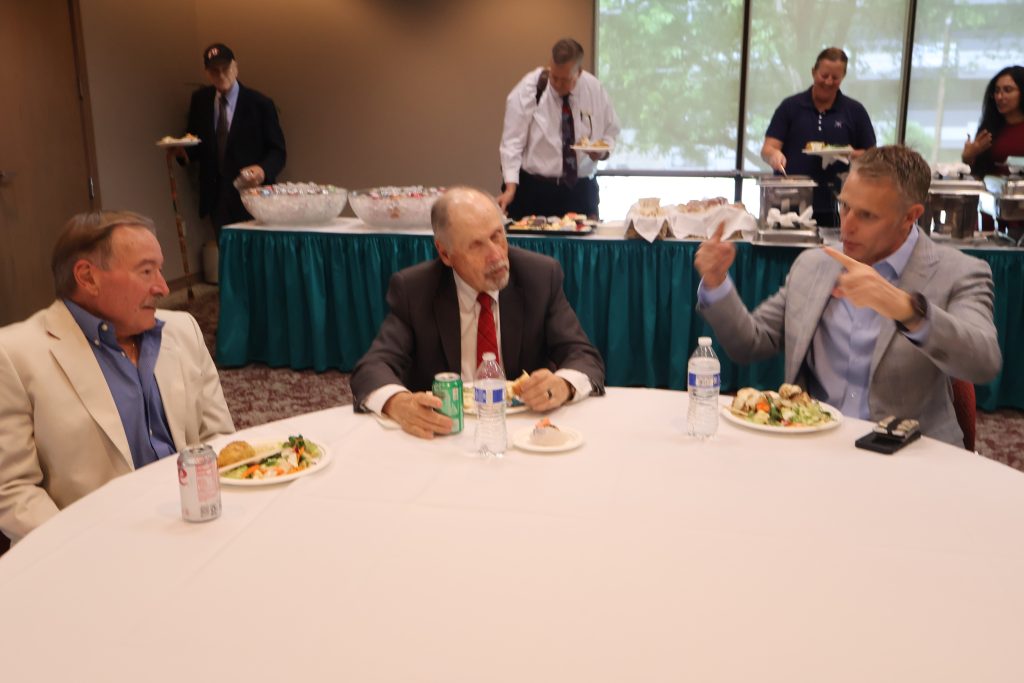
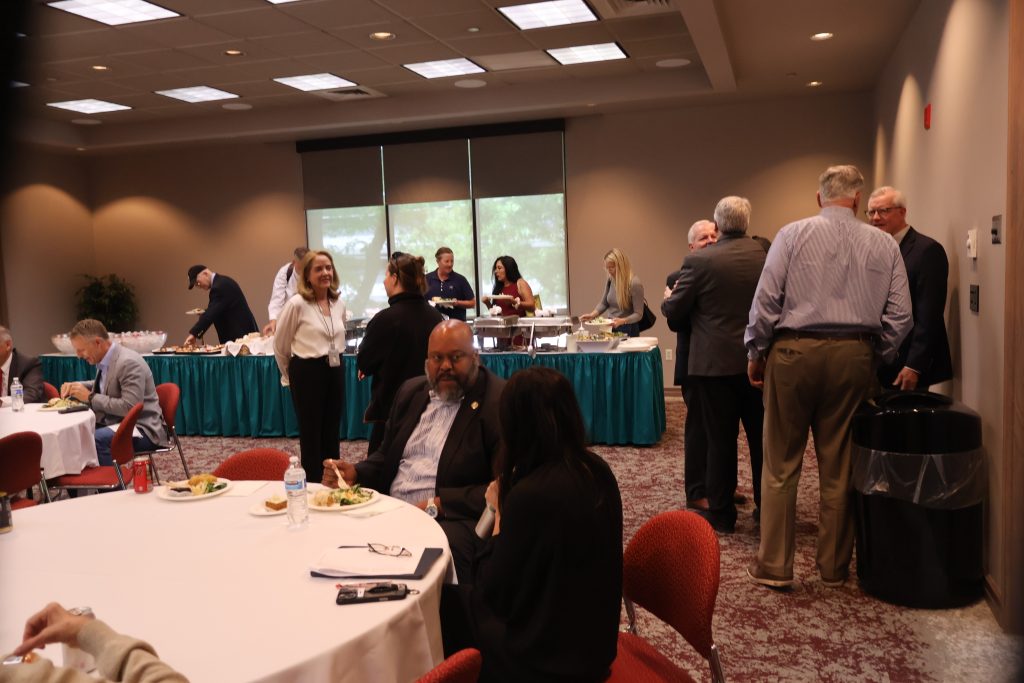
On Wednesday, the Utah State Bar was pleased to host Utah Senate President Stuart J. Adams and Utah House Speaker Mike Schultz in the first of its continuing legal education (CLE) dialogue series, Let’s Talk & Let’s Listen. The two-member panel was moderated by full-service litigator Keith A. Call. More than 700 legal professionals joined the session online, with another 60 individuals, including dignitaries, attending in person for the forum that examined the respective roles of Utah’s three branches of government.

“The timing of this event carried particular significance, considering recent policy disagreements and procedural rifts between the legislature and the judiciary, which have underscored the need for renewed engagement across branches of government,” said Utah State Bar President Kim Cordova. “This CLE was intentionally positioned as an opportunity to model constructive discourse marked by civility, respect, and adherence to the standards of professionalism. By convening legislative leaders and the legal community, the Bar sought to reinforce the shared commitment to safeguarding the constitutional framework and improving interbranch understanding.”

The main discussion began with the moderator highlighting the increasing tension between the legislature and the judiciary. Adams and Schultz both agreed that emotions have reached a “fever pitch” with recent court rulings about abortion, voting, redistricting, and other matters. The legislative leaders were candid about their viewpoints on the balance of power between the branches of government and the responsibilities borne by the courts and attorneys licensed by the Bar in supporting constitutional governance.

The Bar offered one hour of pending e-verified live mandatory CLE credit for its licensees who registered in advance and submitted questions for Adams and Schultz to answer. Those questions and proposed topics, which were synthesized and presented by the moderator, included:

  • What would you like the Utah judiciary to understand about your recent concerns regarding court rulings?
  • What has the Supreme Court and District Court got wrong? 
  • Are threats of violence against judges, legislators, or any public servants appropriate?

Adams and Schultz expressed their passion for their roles as elected officials of their constituents, to act in their best interests and fulfill their constitutional obligations as the “voice of the people” in setting policy. Both men said they take their responsibilities seriously, with Adams emphasizing that he’d do everything within his power to protect our democratic republican form of government. He added that the current divisive issues are not partisan, but Constitutional in regard to checks and balances of the state’s government system.

“Even as today’s discussion highlighted the very real and consequential disagreements between the legislature and the judiciary, I appreciate the willingness of President Adams and Speaker Schultz to engage with Utah lawyers on matters that are both sensitive and currently before the courts,” said moderator Call. “Bringing these conversations into a structured, professional forum reinforces the value of open dialogue and the shared duty to uphold the rule of law.”

Part One of the series concluded with a reaffirmation of the importance of open dialogue among civic institutions and the role of attorneys in fostering informed, principled, and respectful engagement. Participation was made available at no cost through the support of sponsoring law firms Snell & Wilmer and Spencer Fane. Part Two of the CLE series will feature Chief Justice Matthew B. Durrant on March 17th in commemoration of the Bar’s 95th Anniversary.

Disclaimer: CLE credit was only available to registrants who attended the hybrid event on Wednesday, December 10, 2025. It is no longer available.

Join us in engaging with Utah’s lawmakers. They do want to hear from you.

  • Go to the Utah Legislature website (https://le.utah.gov/) and select “Legislators.”
  • Then click on “FindbyAddress/Map” and enter your address to see your Senator and Representative.

Contact Them

  • Each legislator’s page lists their email and phone number.

Additional Contacts

  • Utah Senate: 801-538-1035 | Senate Roster
  • Utah House: 801-538-1029 | House Roster

Search UtahBar.org