Day Two Recap: Utah State Bar Closes Spring Convention With Strengthening Relationships, Skills, and the Justice System

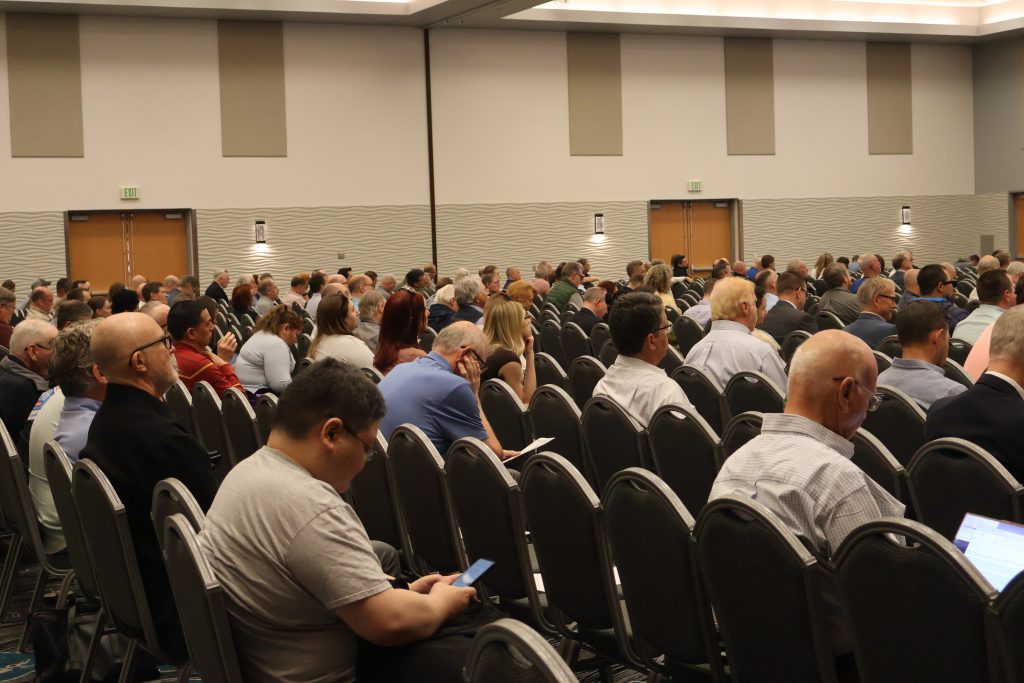
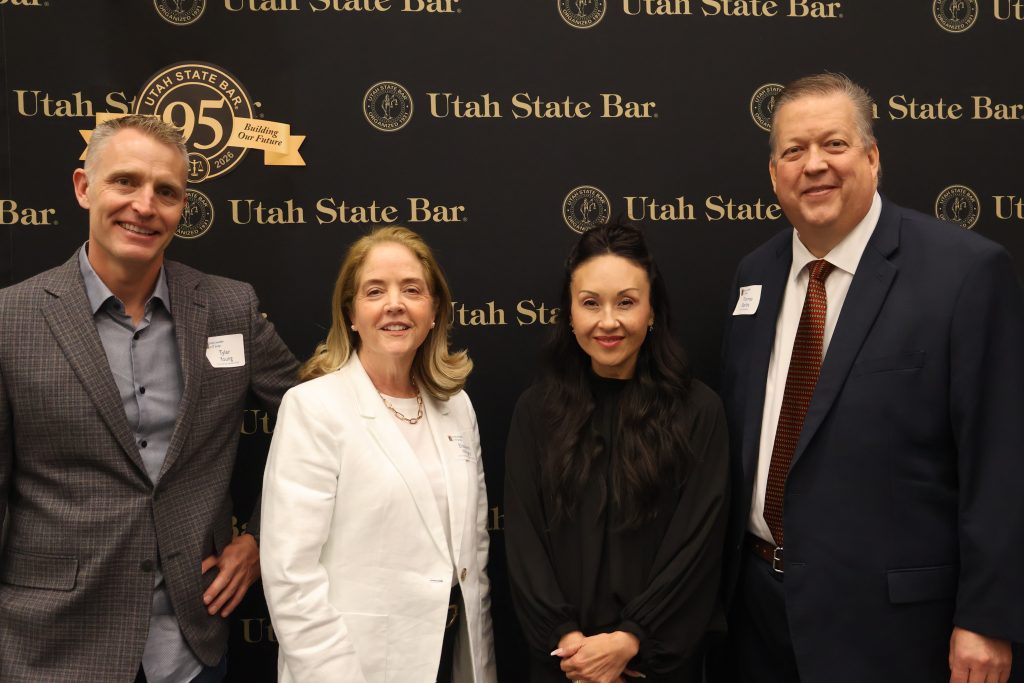
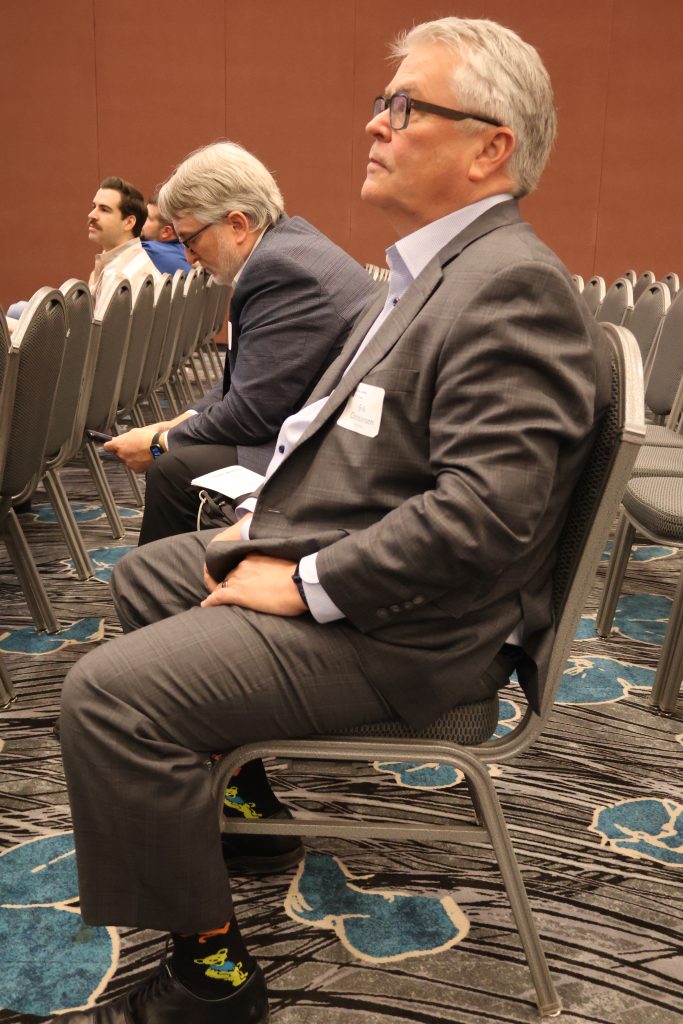
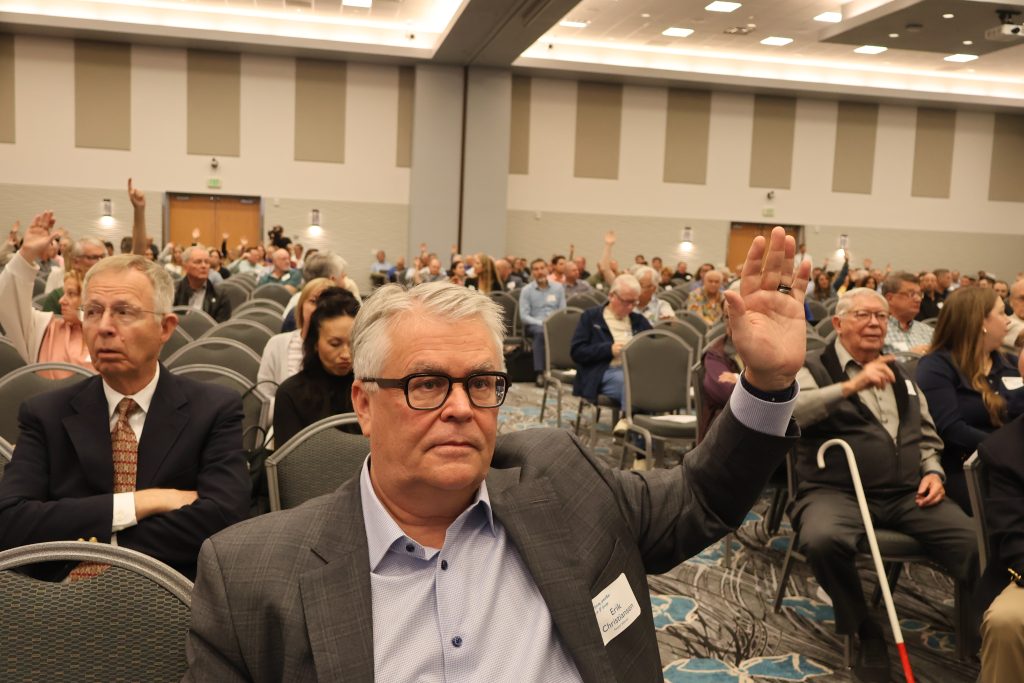
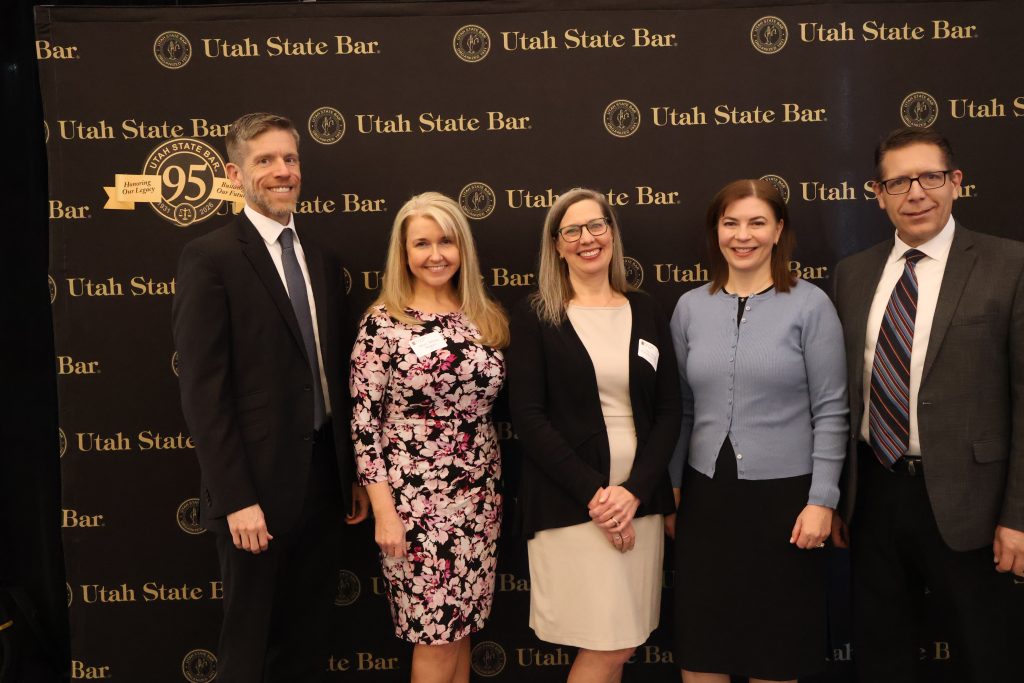
The second day of the Utah State Bar’s 2026 Spring Convention continued the event’s theme, “Securing Our Relationships and Our Skills: Practicing Law in Ever-Changing Times,” bringing attorneys together in St. George for conversations focused on professional well-being, public trust in the justice system, and the evolving practice of law.

With a full agenda of keynote presentations, research findings, and discussions with members of the judiciary, Day Two emphasized the importance of community within the legal profession and the responsibility lawyers share in maintaining a strong and trusted justice system.

RELATED: Day One Recap: Utah State Bar’s 2026 Spring Convention Opens with Reflection, Recognition & Forward Vision

A Message of Continuity and Collaboration

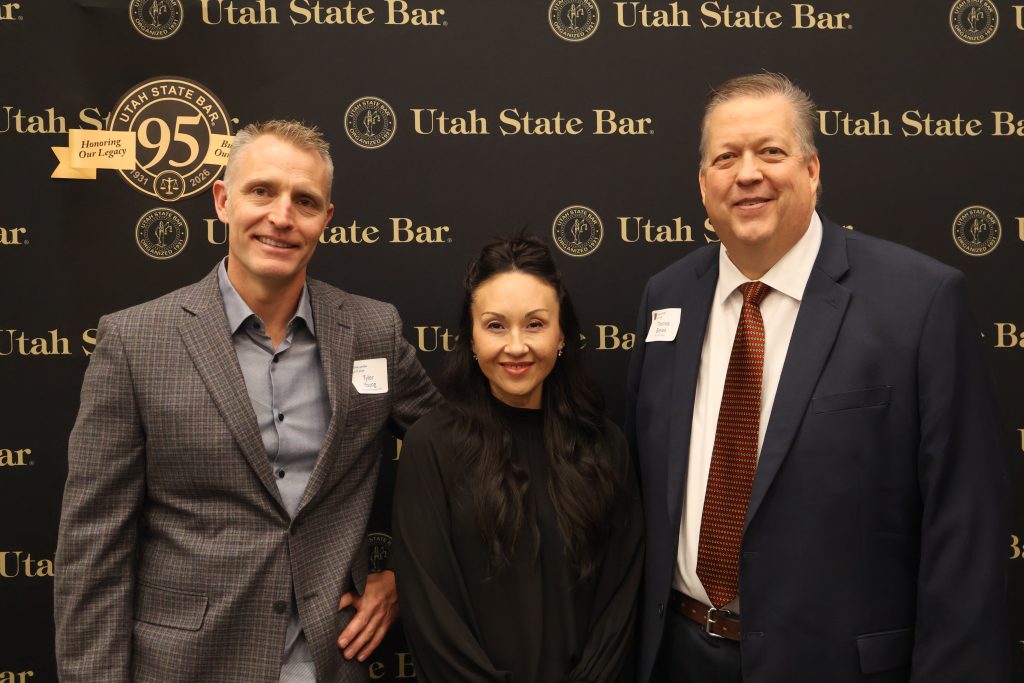
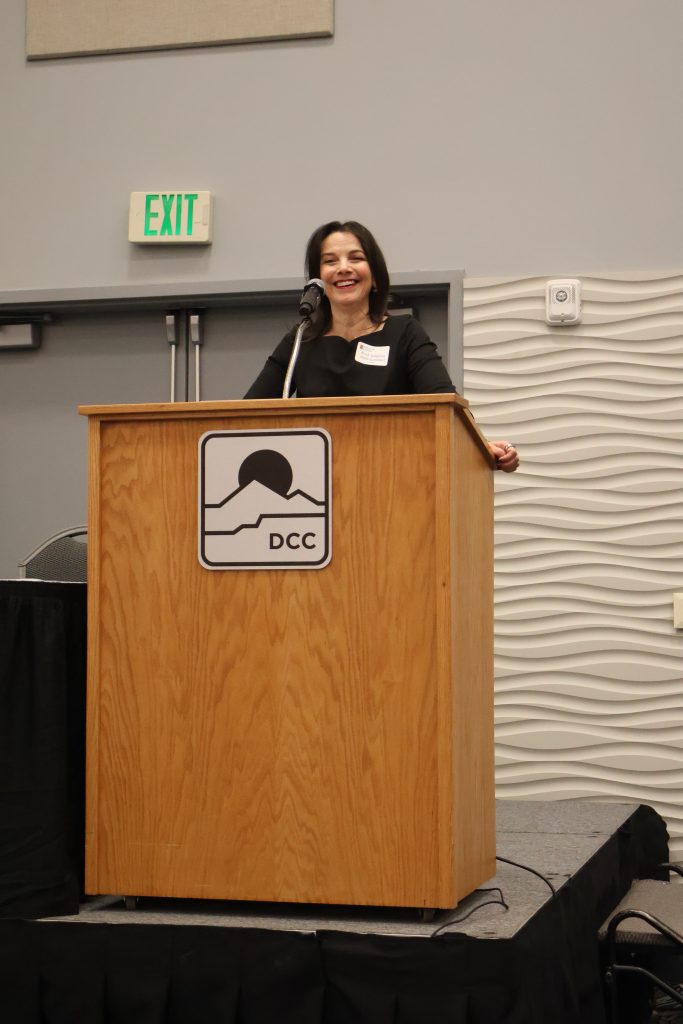
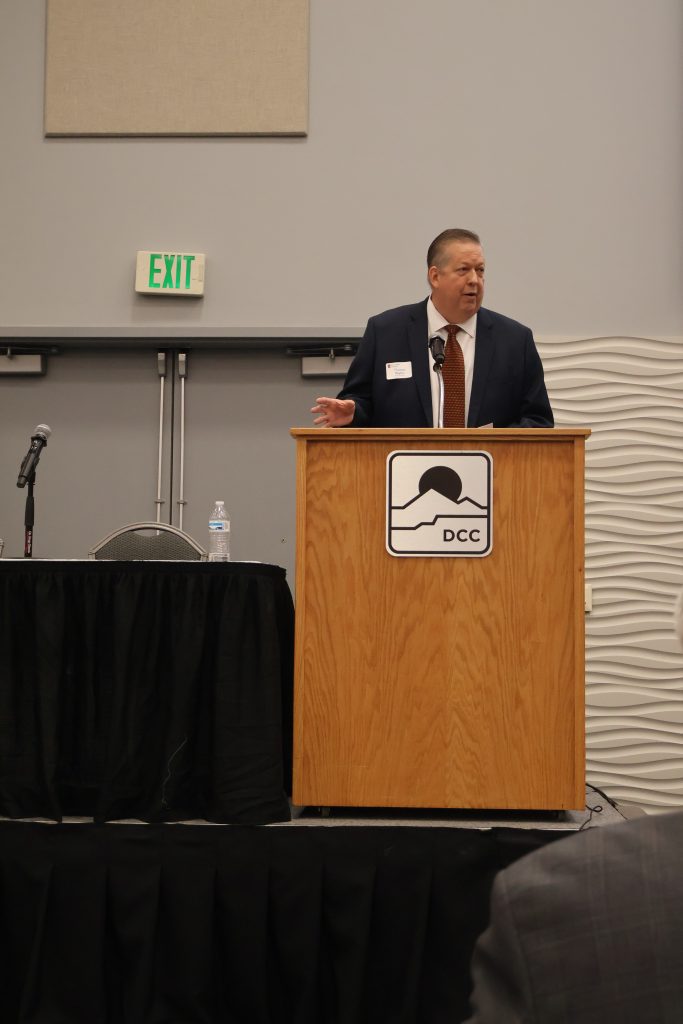
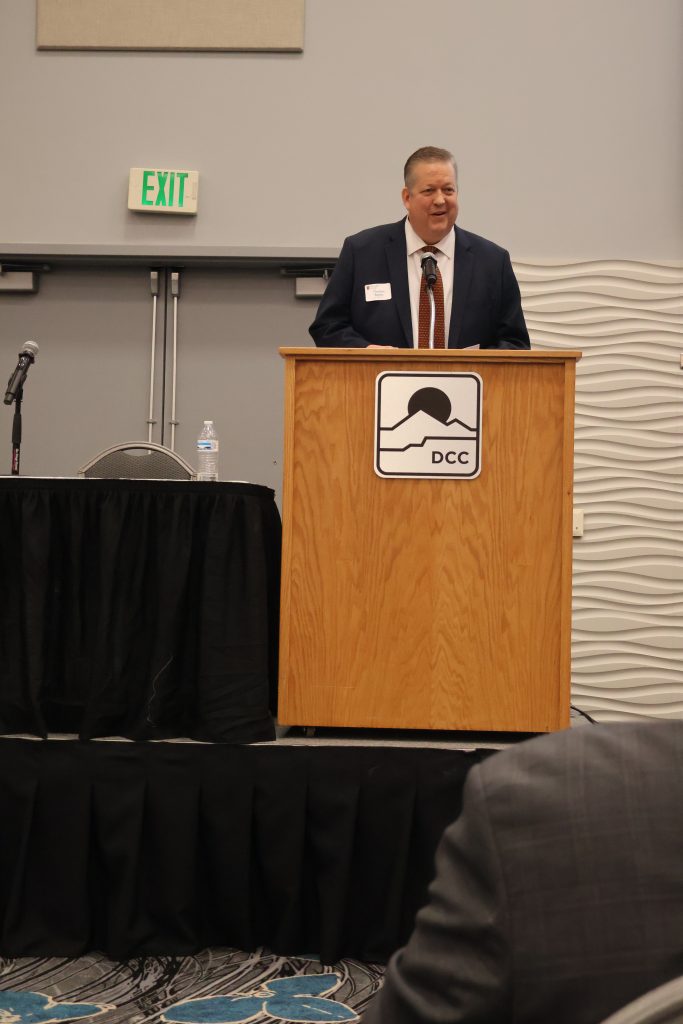
The morning began with welcoming remarks from Utah State Bar President-Elect Tom Bayles, who encouraged Bar licensees to continue building on the organization’s strengths while remaining focused on the practical needs of attorneys across the state. (Read Tom’s Remarks)

Bayles emphasized that the Bar’s role is not to reinvent itself but to “build on what works” by strengthening relationships among attorneys and ensuring lawyers have access to meaningful training and resources. He highlighted the importance of accessible continuing legal education, especially for lawyers practicing outside the Wasatch Front, where geographic distance can create additional challenges.

He also underscored the importance of maintaining thoughtful communication with policymakers when legislation affects the courts and the practice of law, noting that informed perspectives from legal professionals help ensure public policy reflects real-world experience.

Throughout his remarks, Bayles encouraged attorneys to remain engaged with the Bar by joining sections, volunteering, and sharing their perspectives.

“Our profession continues to evolve,” Bayles said. “But it is still built on the same core principles it always has been: judgment, skill, service, and trust.”

Well-Being and the Power of Professional Relationships

The day’s opening keynote was delivered by BYU professor Julianne Holt-Lunstad, whose research focuses on social connection and well-being. Her presentation explored how loneliness and isolation affect professionals and how strong professional relationships contribute to competence, resilience, and long-term career satisfaction.

Holt-Lunstad emphasized that mentorship, collaboration, and community are not simply professional benefits but are essential to maintaining well-being and effectiveness in the practice of law.

Her message resonated with convention attendees, reinforcing the importance of building supportive professional networks in a demanding profession.

New Research Highlights Safety Concerns in the Legal Profession

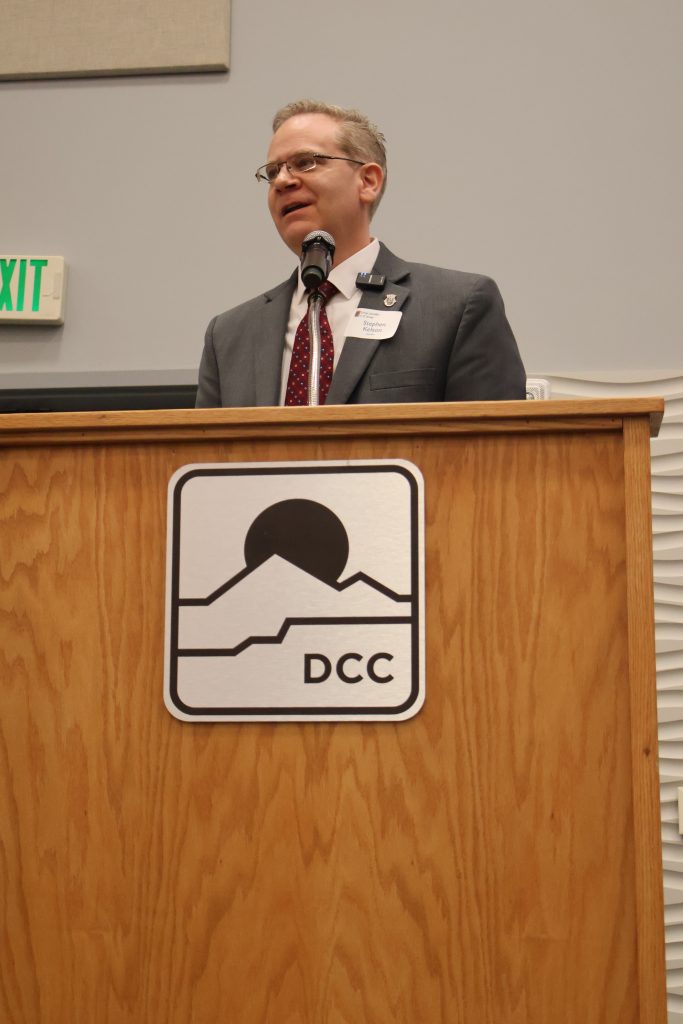
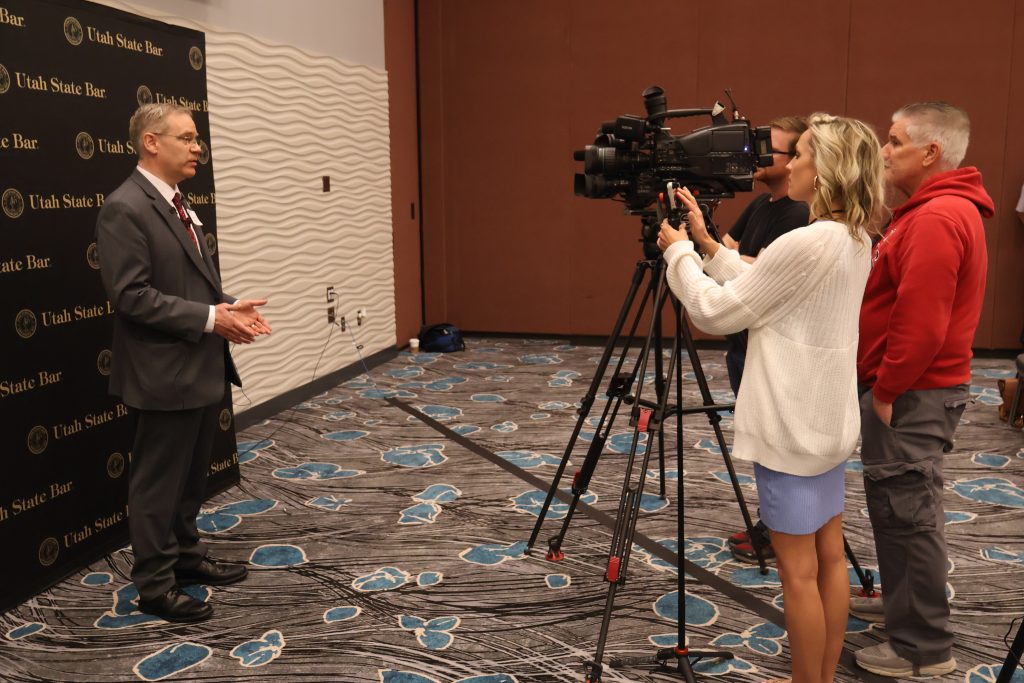
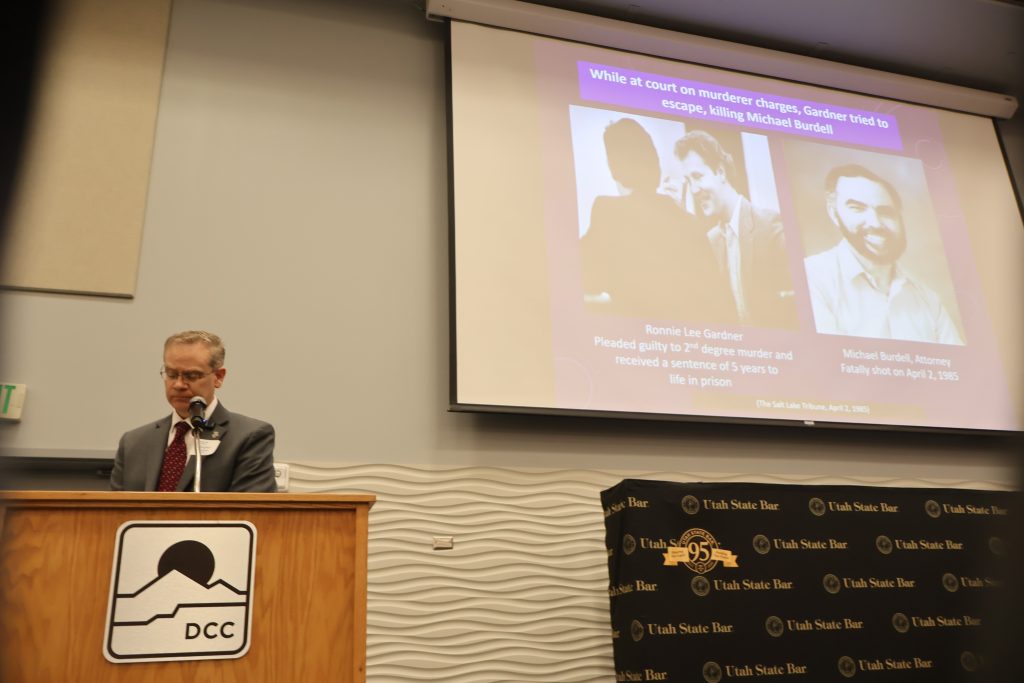
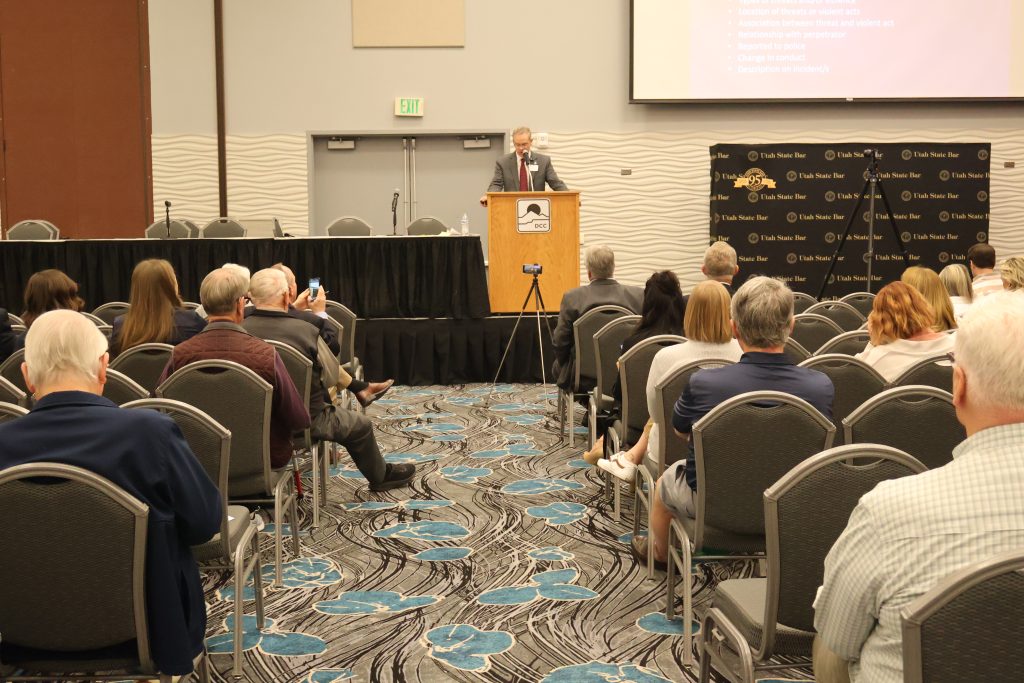
One of the most significant discussions of the day came from attorney and mediator Stephen D. Kelson, who presented the results of the 2026 survey on violence in the Utah legal community, marking the 20th anniversary of his original statewide study.

The survey, completed by 1,593 attorneys representing 12.4 percent of the Bar’s in-state membership, revealed that 703 respondents reported experiencing threats or violence related to their legal work, including 58 incidents of physical assault.

Kelson noted that threats occur across the profession and affect both men and women at similar overall rates. However, the nature of the threats differs.

“Women reported a higher number of threats that were sexual in nature,” Kelson said, highlighting an important difference in how harassment manifests within the profession.

The research also showed that attorneys practicing in family law, criminal prosecution, criminal defense, and general practice reported the highest rates of threats, reflecting the emotionally charged disputes often present in those areas of law.

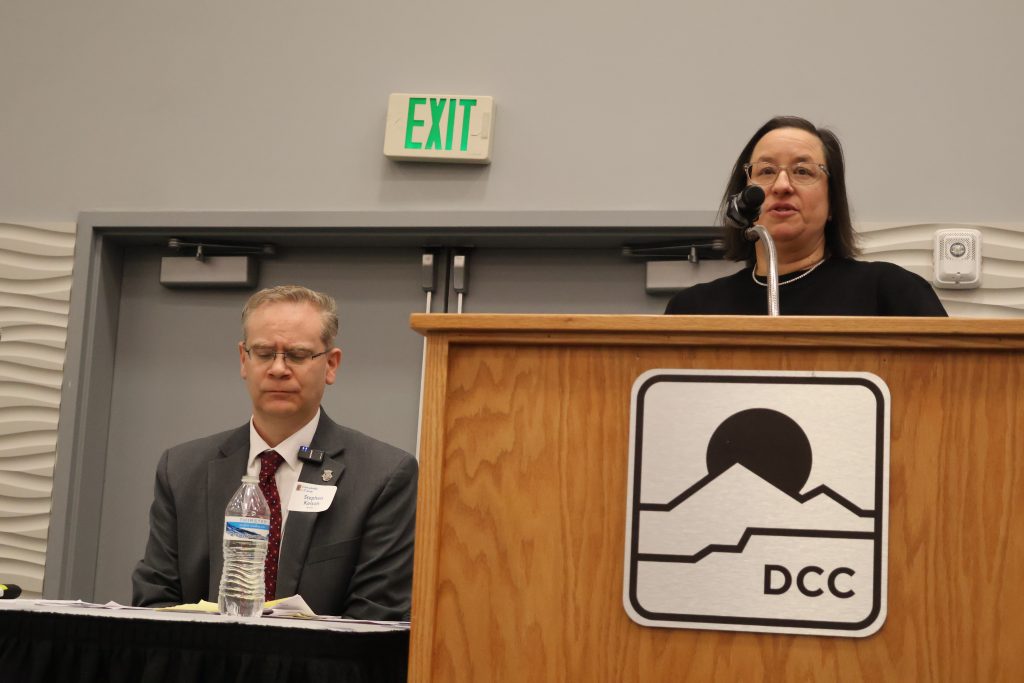
Utah State Bar President Kim Cordova emphasized that protecting the safety and well-being of judges and lawyers is essential to maintaining public confidence in the justice system.

“The safety and well-being of those who serve in the justice system matters deeply,” Cordova said. “Protecting their well-being is essential to maintaining a justice system that functions fairly for everyone.”

Bar leaders announced that the organization plans to offer safety training for attorneys and judges in the coming months, focused on recognizing and responding to threats both in person and online.

Conversations with the Courts

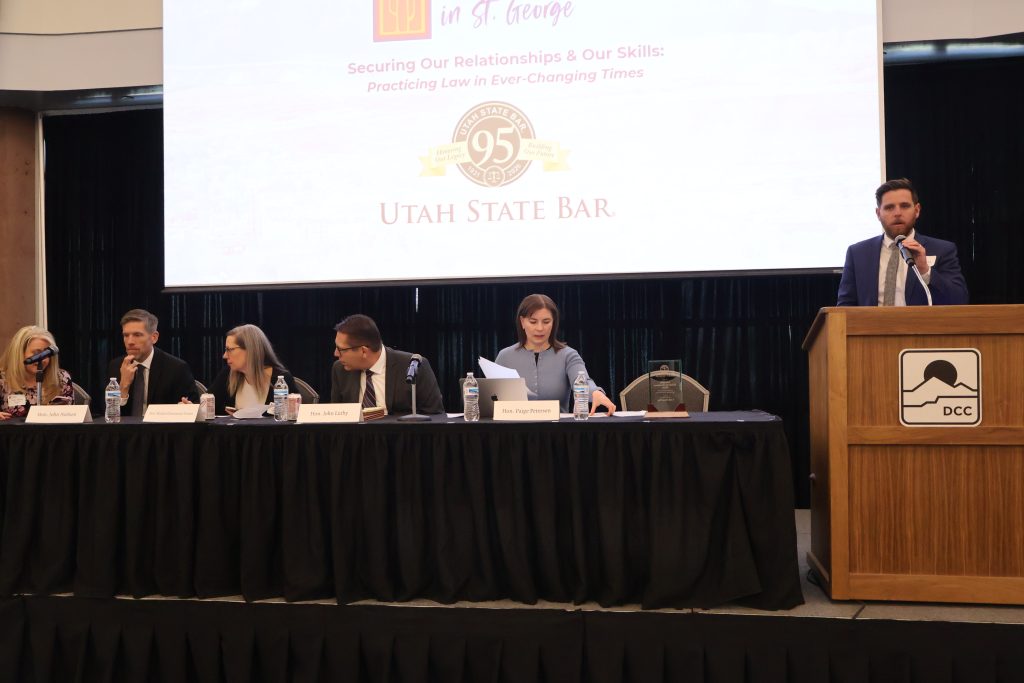
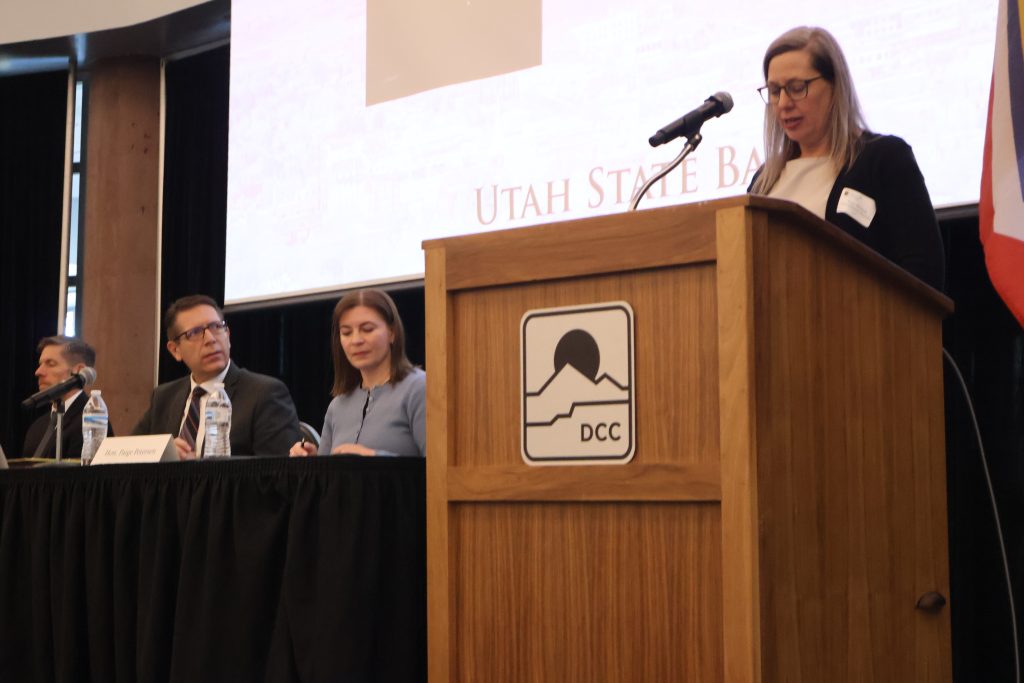
The midday program featured a panel discussion with members of the Utah Supreme Court and the Utah Court of Appeals, offering convention attendees an opportunity to hear directly from the judiciary about current issues affecting the courts and the administration of justice.

The session included Justices Paige Petersen, Diana Hagen, and John Nielsen, along with Presiding Judge Michele Christiansen Forster and Judge John D. Luthy.

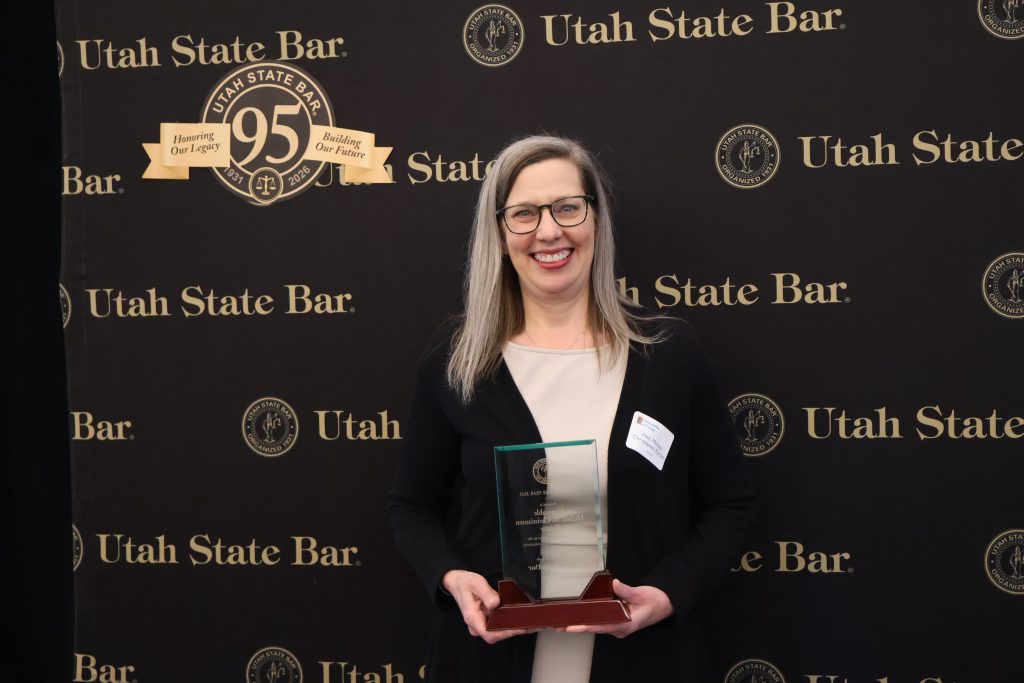
The panel also included the presentation of the 2025 Judge of the Year Award, recognizing outstanding judicial service of Judge Forster.

RELATED: Utah State Bar Honors Judge, Attorneys at 2026 Spring Convention

Exploring the Future of Legal Practice

The afternoon breakout sessions addressed emerging trends in the profession, including the increasing role of technology and artificial intelligence in legal work.

Sessions explored topics such as digital estate planning and electronic wills, pro bono and access to justice initiatives, and the ethical responsibilities lawyers face when using generative AI tools.

Together, the discussions reflected how rapidly the practice of law continues to evolve—and the importance of helping attorneys adapt to those changes.

Looking Ahead

As the convention concluded, the conversations throughout the two-day event reflected a shared commitment to strengthening the profession through collaboration, education, and service.

From discussions about well-being and professional relationships to research on the safety of legal professionals and conversations with the judiciary, the convention underscored the essential role lawyers play in maintaining a justice system that is trusted by the public.

By continuing to invest in practical training, professional connection, and the safety of those who serve in the legal system, the Bar aims to support attorneys across the state while reinforcing the integrity of the justice system for the communities they serve.
AI assisted with summarizing content for this blog.

Utah State Bar Thanks Sen. Weiler for Withdrawing Judicial District Bill

The Utah State Bar extends its sincere appreciation to Sen. Todd Weiler for his decision not to move forward with Senate Bill 308-Judicial District Amendments during the 2026 legislative session.

Earlier this month, the Bar underscored its commitment to constructive engagement with lawmakers on proposals affecting the structure and function of Utah’s courts. Senator Weiler’s decision to pause S.B. 308 reflects that deliberative approach and affirms the value of stakeholder input when evaluating reforms with long-term implications for the justice system.

“We are grateful for Senator Weiler’s thoughtful consideration, and for the respectful dialogue he fostered with members of the Bar and the broader legal community,” said Bar President Kim Cordova. “Approaching judicial policy with care, consultation, and a focus on the public interest helps ensure that any changes strengthen access to justice and preserve fair and impartial courts for all Utahns.”

Cordova continued, “The structure and administration of our courts are matters of constitutional significance. Decisions affecting judicial districts, court resources, and the overall functioning of the judiciary warrant careful study and meaningful collaboration among invested stakeholders, including lawmakers, judges, attorneys, court administrators, and the public. When all voices are brought to the table, the result is a stronger policy and a justice system that better serves the families of Utah.”

The Bar reaffirms its commitment to support and protect a properly structured judiciary that exists to ensure that laws are applied fairly, constitutional rights are protected, and disputes are resolved based on facts and the rule of law. Preserving public trust in that system requires collaboration and respect for the constitutional balance of powers.

“We remain committed to working alongside Sen. Weiler, legislative leaders, and other stakeholders to ensure that any future proposals affecting the courts strengthen access to justice and uphold fair and impartial courts for all Utahns,” said Cordova. “We look forward to continued collaboration in service of a justice system that is accessible, effective, and worthy of the public’s confidence.”

Insurance Coverage Issues for Lawyers in the Era of Generative AI

By Mark Bassingthwaighte, Esq.

I am one who can admit when I’m wrong. A few years ago, I was convinced the Metaverse was going to be a big deal, eventually even significantly impacting how lawyers would interact with their clientele. Oops. Got that one wrong. Well, at least for the time being. However, one thing I did get right was realizing how significant generative AI would become, how fast its adoption would be, and how much of its potential yet remains to be developed.

When it comes to generative AI the future is here and lawyers in firms of every shape and size are finding ever more creative ways to tap into its potential. Like me, these lawyers see the benefits of these technologies. Of course, as with all things tech related, lawyers also have an ethical obligation to explore and understand the associated risks of any tech deployed in a law practice. I suspect it’s because of what I do for a living, but as I see it, in order to fully understand the associated risks of deploying generative AI, one mustn’t forget to look into the associated insurance coverage implications. Thus, the following are a few key considerations lawyers should keep in mind when integrating generative AI into their practice.

1) Malpractice Involving AI Output

At the time of this writing, lawyers’ professional liability (LPL) policies typically do not exclude coverage for claims alleging negligence arising as a result of the use of generative AI. That said, coverage may depend upon on whether the conduct at issue meets the policy’s definition of “professional services.” Don’t assume that it always will. Currently, a well-known risk with generative AI is the hallucination problem. What if an AI tool produces a fake, incorrect, or misleading response and a lawyer relies on the accuracy of the output? Yes, a negligence claim might follow, but would it be a covered claim? The answer could be no.

If this lawyer is unable to demonstrate that she exercised reasonable care and due diligence with her use of the AI tool, then an insurer could argue that no professional service was ever provided because the lawyer simply chose to blindly rely on third-party technology. No professional service means no coverage; and unfortunately, the coverage analysis doesn’t stop there. If the subject lawyer did make a deliberate decision to blindly accept the output as accurate, this act might also trigger a policy’s intentional act exclusion.

A risk management takeaway is lawyers must always accept accountability and responsibility for all AI-generated output by validating the accuracy of outputs. Understand that a lawyer’s duties of competence and diligence can never be delegated to a machine. It’s as simple as that.

2) AI Interfacing with Clients or the General Public

If a law firm markets AI-generated content or tools (e.g., an online chatbot or a DIY legal form generator) directly to clients or the public and a malpractice claim arose out of that service, would this be a covered claim? Here again, depending upon the specifics of the situation and the jurisdiction in which the alleged negligence occurred, the answer could well be no for two reasons. First, if firm lawyers allowed the AI to make critical legal judgements without attorney oversight, this could be viewed as the unauthorized practice of law and LPL policies typically exclude coverage for the unauthorized practice of law. Second, the lack of attorney oversight also implies that no professional services were rendered by an attorney; and as you now know, no professional service means no coverage. In short, over-reliance on an AI tool, or allowing it to make legal decisions without attorney oversight can create unintended consequences.

A risk management takeaway is to exercise caution when deploying AI tools that interact directly with the public and/or clients because a lawyer’s duty to supervise and review all work remains paramount. The fact that an AI Tool is a non-human member of the “staff” makes not one iota of a difference.

3) Confidentiality and Data Security

Feeding sensitive or confidential client information into a generative AI tool, especially one that is cloud-based and accessible to the public or not specifically designed for secure use by legal professionals, could result in a data breach or unauthorized access to this client information potentially giving rise to a claim. Again, would this be a covered claim? Under your malpractice policy, quite possibly no.

The reason is that most LPL policies have exclusions related to intentional acts or breaches of confidentiality that are not the result of a negligent act. That said, if your firm has purchased cyber liability insurance, coverage may be available under that policy depending upon the specific circumstances of any breach. Just be aware that here too an intentional acts exclusion could come into play.

A risk management takeaway is to only use generative AI platforms that come with strict data privacy assurances, allow users to opt out from data retention, and are in compliance with your jurisdiction’s data protection regulations. And yes, this does mean you need to read and understand the terms of service before using any generative AI platform.

I hope this information helps you in any generative AI decision making process going forward because I do believe that generative AI offers incredible opportunities for our profession, opportunities that will enhance how legal services are delivered. While these three coverage concerns aren’t the only concerns with AI, they are ones I believe every lawyer should be most aware of. As for me, I guess I’m kind of relieved the whole metaverse thing seems to have lost its steam. When I start to think about all the coverage issues with that one, it makes my head hurt.

Mark Bassingthwaighte, Esq. Is the resident Risk Manager at ALPS Insurance. To learn more about how ALPS can support your solo or small firm visit: alpsinsurance.com

VIDEO: Exploring the GenAI Tools Transforming Legal Workflows

In a new 14-minute video, AI Committee Chair Bennett Borden and Innovation in Law Practice Committee Member Victoria Carrington provide a clear-eyed walkthrough of today’s most practical generative AI tools for legal professionals. Their discussion focuses not on hype, but on how these technologies can responsibly augment legal work while preserving the ethical rigor that defines the profession.

Bennett BordenBorden and Carrington spotlight several widely used platforms, such as ChatGPT, Microsoft Copilot, Zoom AI Companion, Notebook LM, Notion AI, and others. They talk about each platform offering targeted capabilities that can streamline research, expedite drafting, support matter organization, or clarify complex concepts for clients and colleagues. Whether used to summarize lengthy documents, generate issue-spotting outlines, or organize case-related materials, these systems can help lawyers reclaim valuable time for higher-order analysis and client engagement.

Victoria Carrington

The presenters reiterate an essential principle throughout: no AI tool should ever replace legal judgment. Outputs must be reviewed, verified, and refined by a licensed professional. Copy-and-paste shortcuts, no matter how tempting, risk undermining accuracy, confidentiality, and professional responsibility. AI is an accelerant, not an autopilot.

RELATED: Navigating Generative AI in Law: Five Ethical Principles Every Lawyer Should Remember

For Bar licensees seeking to explore these tools in a structured and reliable way, the video also highlights the LexisAI resource page in the Practice Portal, available at no cost. This curated environment offers guided access to trusted research support, helping practitioners incorporate generative AI into their workflows without compromising quality or compliance. (As a Bar licensee, you also have the benefit of receiving a 15% discount when purchasing LexisAI.)

As Borden and Carrington emphasize, generative AI is not about changing what it means to practice law; it is about changing how legal work gets done. For seasoned attorneys, emerging practitioners, and even clients navigating their own documents, these tools can illuminate pathways through legal complexity — provided they are used thoughtfully, ethically, and always under the steady hand of human expertis14

*AI assisted with the writing of this blog.

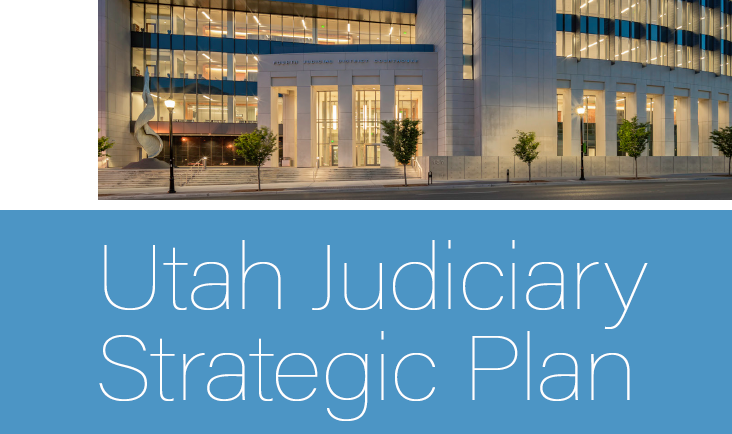
Utah State Bar Supports Judiciary’s 2026–2029 Strategic Plan

When the Judicial Council created the Office of Fairness and Accountability (OFA), it tasked the office with developing a comprehensive strategic plan that would outline the Judiciary’s goals and policy directives. This plan was to support the court’s mission to deliver open, fair, and efficient justice under the law while also being responsive to the state’s diverse cultural, ethnic, socioeconomic, linguistic, physical, gender, and age populations. The Council emphasized that this effort must not only articulate aspirations but must result in concrete strategies to eliminate bias, serve the increasing number of self-represented litigants, and ensure that court processes remain understandable, consistent, and culturally responsive.

Over the course of nearly two years, the Strategic Plan Drafting Committee has worked diligently to fulfill that charge. The result of that work is the Utah Judiciary Strategic Plan 2026–2029, which the Judicial Council recently approved. Representatives from OFA presented the plan to the Utah State Board of Bar Commissioners on June 13, 2025, and was met with undivided support.

This plan is not abstract or theoretical. The Utah State Bar believes it is a practical blueprint for a court system that is better prepared to meet the needs of the public, the legal community, and the rule of law in the years ahead. For attorneys across Utah, this plan offers more than institutional reform. It represents a direct investment in integrity, efficiency, and consistency of your daily practice.

Better Access, Better Practice

The core focus of the strategic plan is enhancing access to justice, particularly through the removal of unnecessary procedural obstacles and the expansion of culturally competent services. The court system’s increasing use of technology has streamlined procedures and reaffirms its commitment to user-focused service delivery, which stands to benefit attorneys as much as litigants.

Attorneys often represent clients who are already facing challenging circumstances. When court systems are unnecessarily complex or inconsistent, that burden is multiplied. The new plan calls for more explicit rules, improved communication, and more supportive courtroom experience for all participants — including legal professionals. Enhanced digital tools, better guidance for self-represented litigants, and training for court staff in culturally responsive service will ultimately reduce delays, misunderstandings, and procedural missteps.

This plan is designed to eliminate friction from legal practice. When systems function smoothly and predictably, attorneys can focus more fully on substantive advocacy and client service.

A System Worth Representing

The legal profession does not exist in a vacuum. Public trust in the Judiciary has a direct impact on public confidence in lawyers. When courts are seen as transparent, impartial, and consistent, that perception extends to the attorneys who practice before them.

This plan reaffirms the Judiciary’s commitment to being open, fair, and inclusive. It builds on Utah’s long-standing reputation for judicial excellence by expanding community engagement, reinforcing ethical practices, and increasing accountability across all levels of the court. These efforts not only serve the public, but they support the professional standing of the legal community.

As the plan notes, “the public sees the courts through us.” When attorneys operate in a system that earns respect, credibility reflects on the profession as a whole.

You Asked, We’re Acting

OFA developed many of the initiatives outlined in the 2026–2029 Strategic Plan in direct response to concerns raised by members of the legal community. Attorneys have consistently expressed frustration with inefficiencies, inconsistent procedures between districts, and barriers to access for their clients. This plan addresses those concerns head-on.

The plan commits to standardizing processes across court locations, investing in improved training and tools for judicial officers and staff, and expanding mechanisms for community and attorney feedback. These are not abstract goals; they are actionable priorities that recognize the realities attorneys face and aim to address them in measurable, sustainable ways.

Attorneys will see a judiciary that is better aligned across districts, more open to input, and increasingly focused on delivering quality service. These improvements will not only enhance client outcomes but also create a more navigable and responsive system for practitioners.

Looking Ahead

The Utah Judiciary’s 2026–2029 Strategic Plan reflects more than policy; it represents a shared commitment to building a legal system that serves everyone with integrity, clarity, and fairness. As members of the legal profession, attorneys play a central role in the success of this effort. Your engagement with the plan, through your feedback, expectations, and daily work, will help bring its vision to life.

The system is not being reinvented, but it is being prepared for the future. The Judiciary is reaffirming its core values: openness, fairness, inclusivity, independence, and efficiency. Attorneys are not bystanders in this work. You are essential to it, and why the Bar supports the plan.

To read the whole strategic plan and learn more about its implementation, visit www.utcourts.gov.


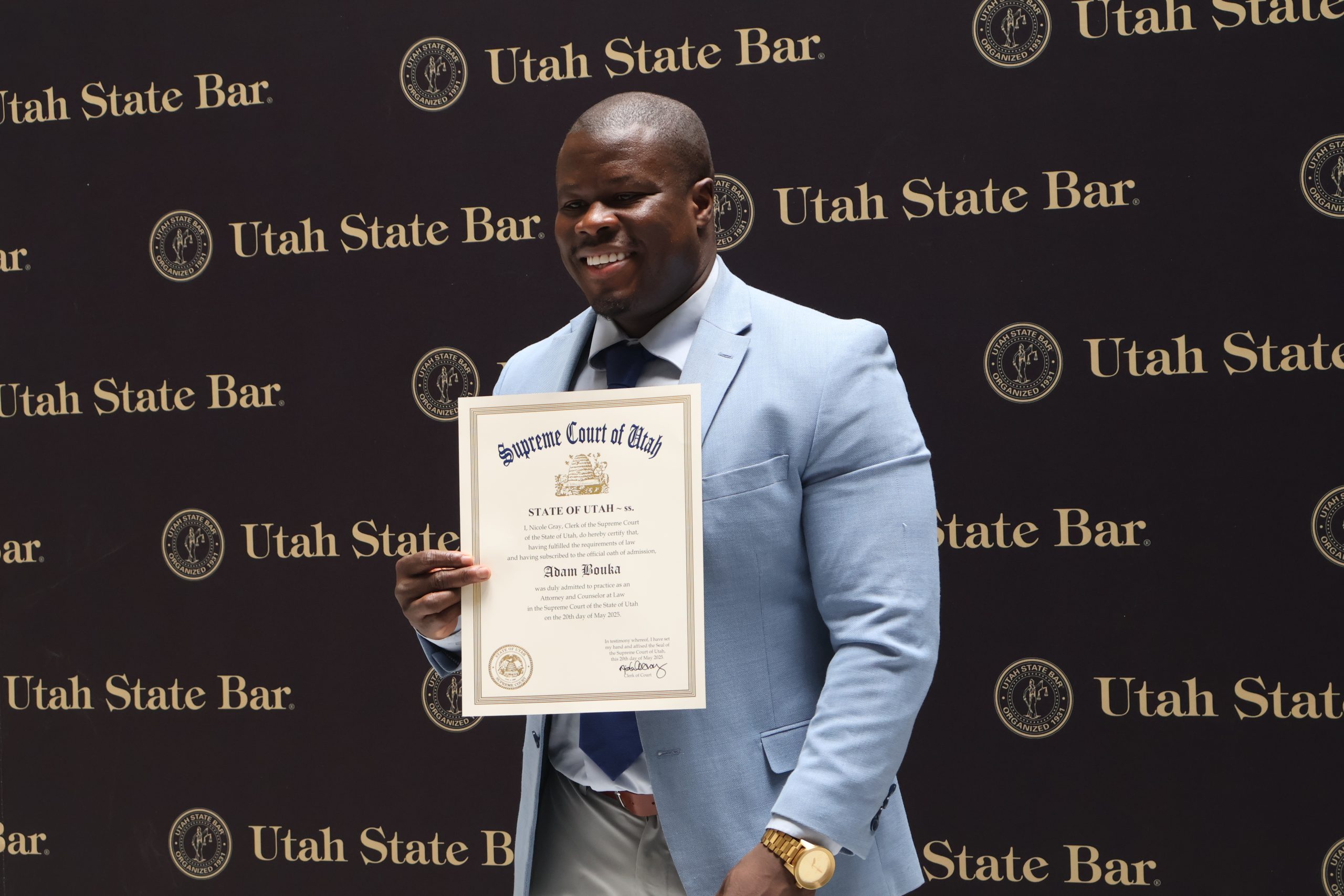
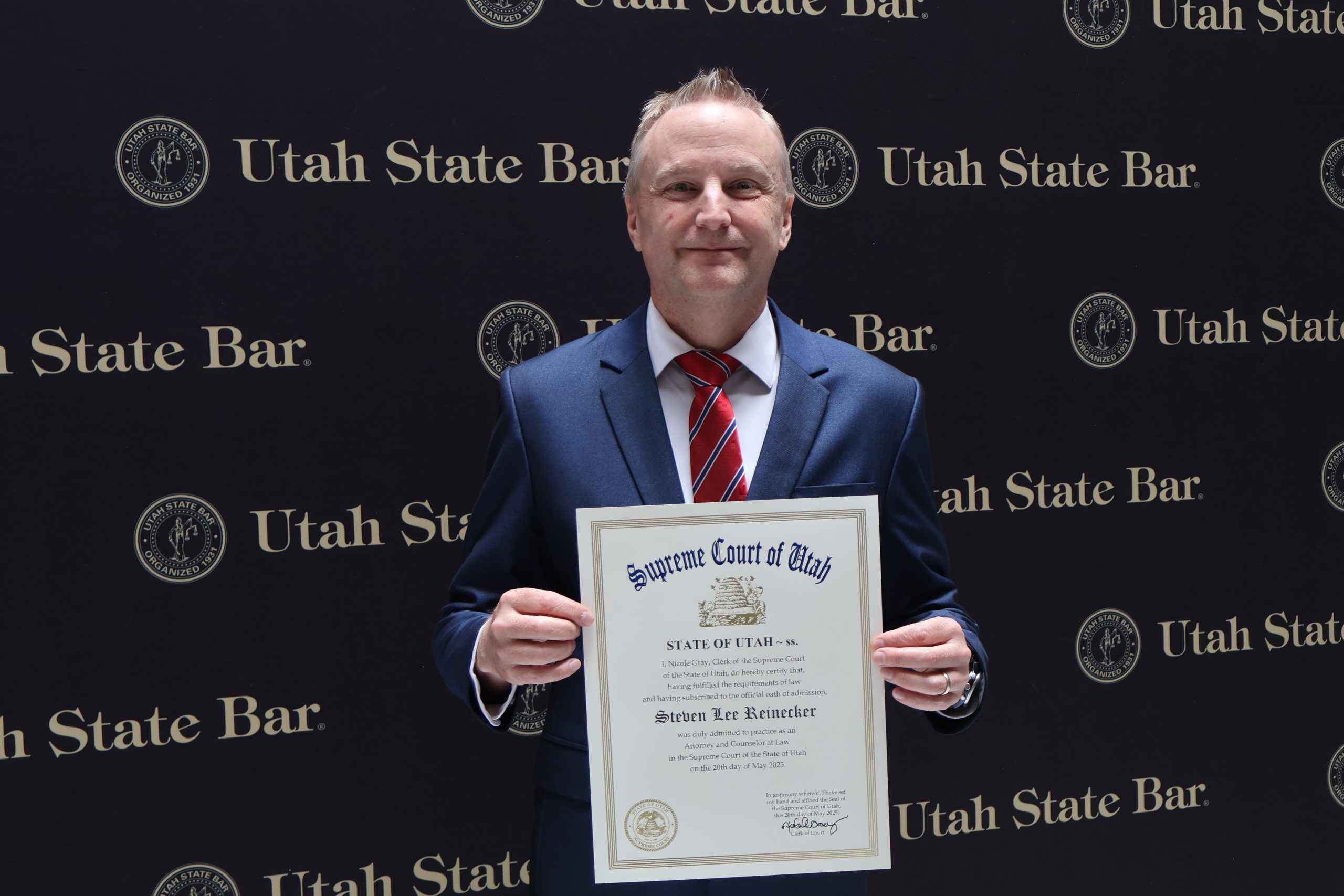
Celebrating New Beginnings: Utah State Bar Admission Ceremony at the State Capitol

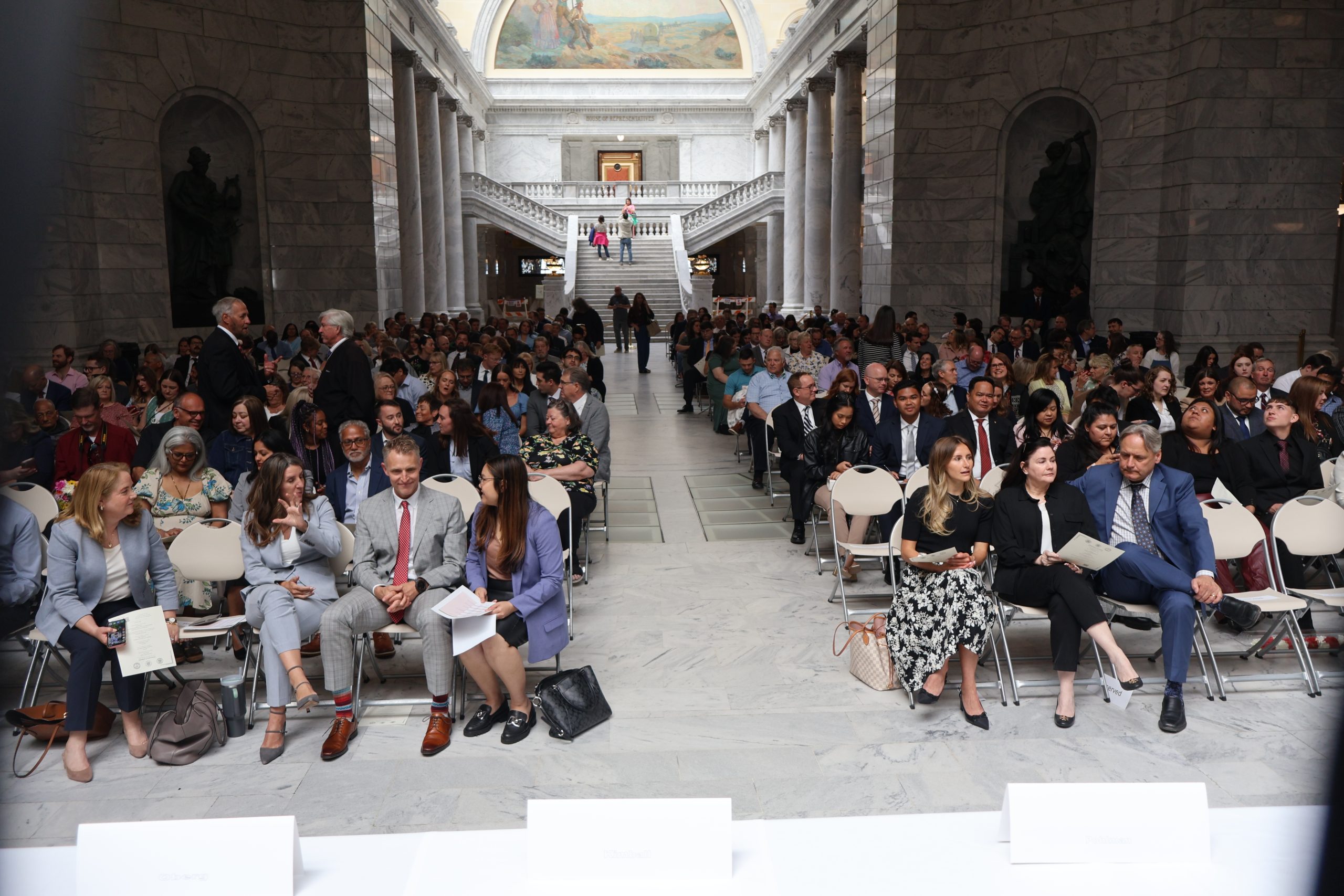
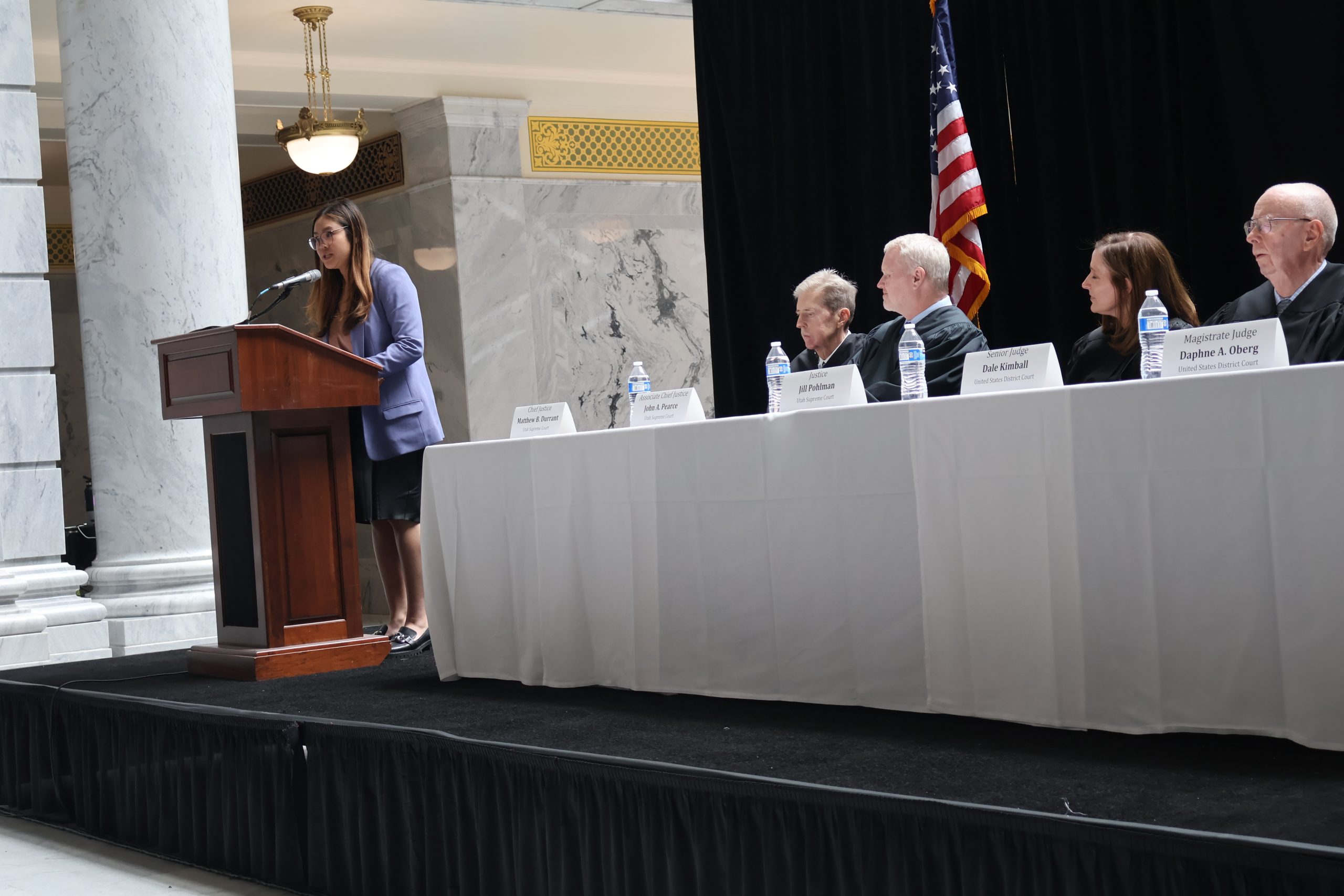
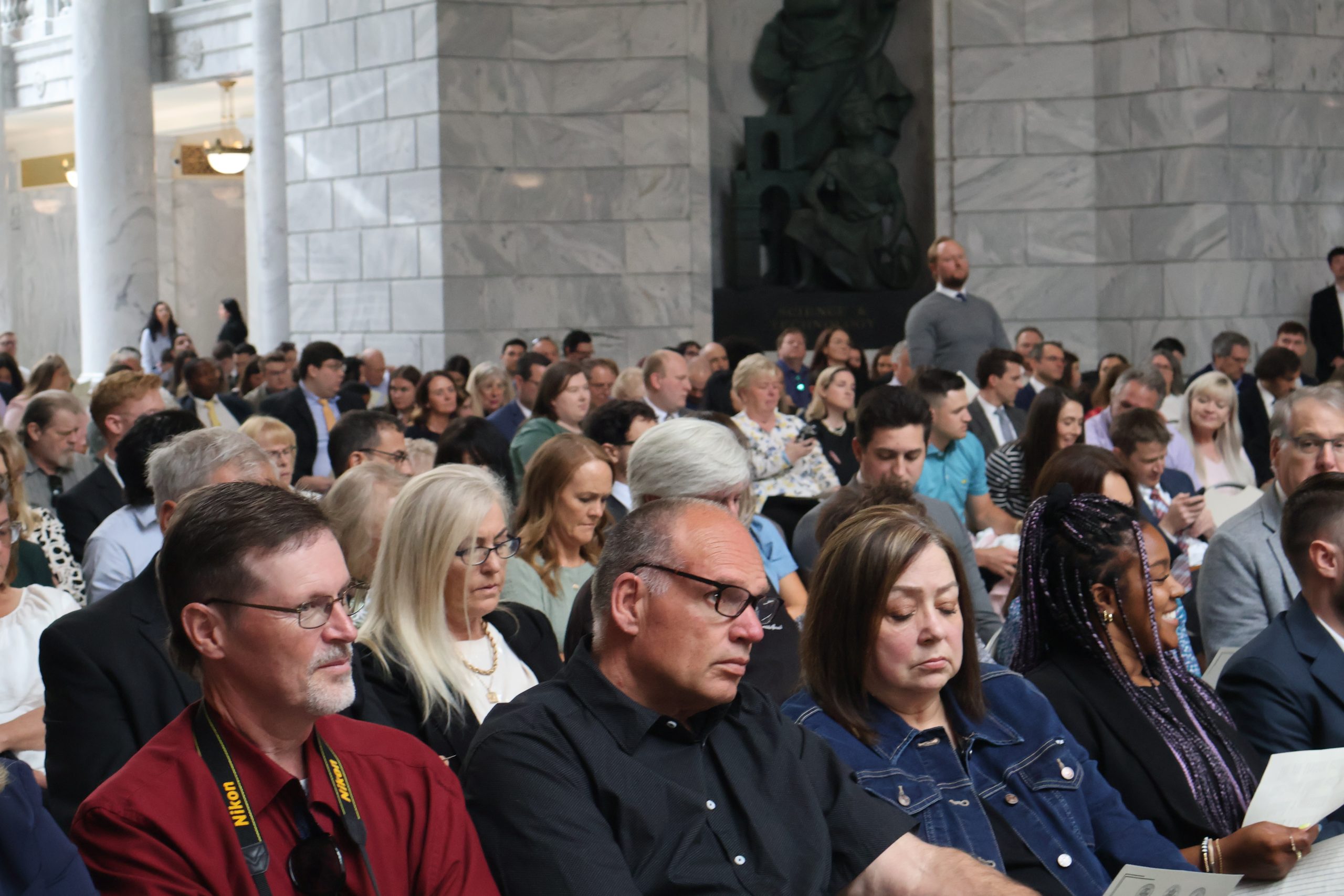
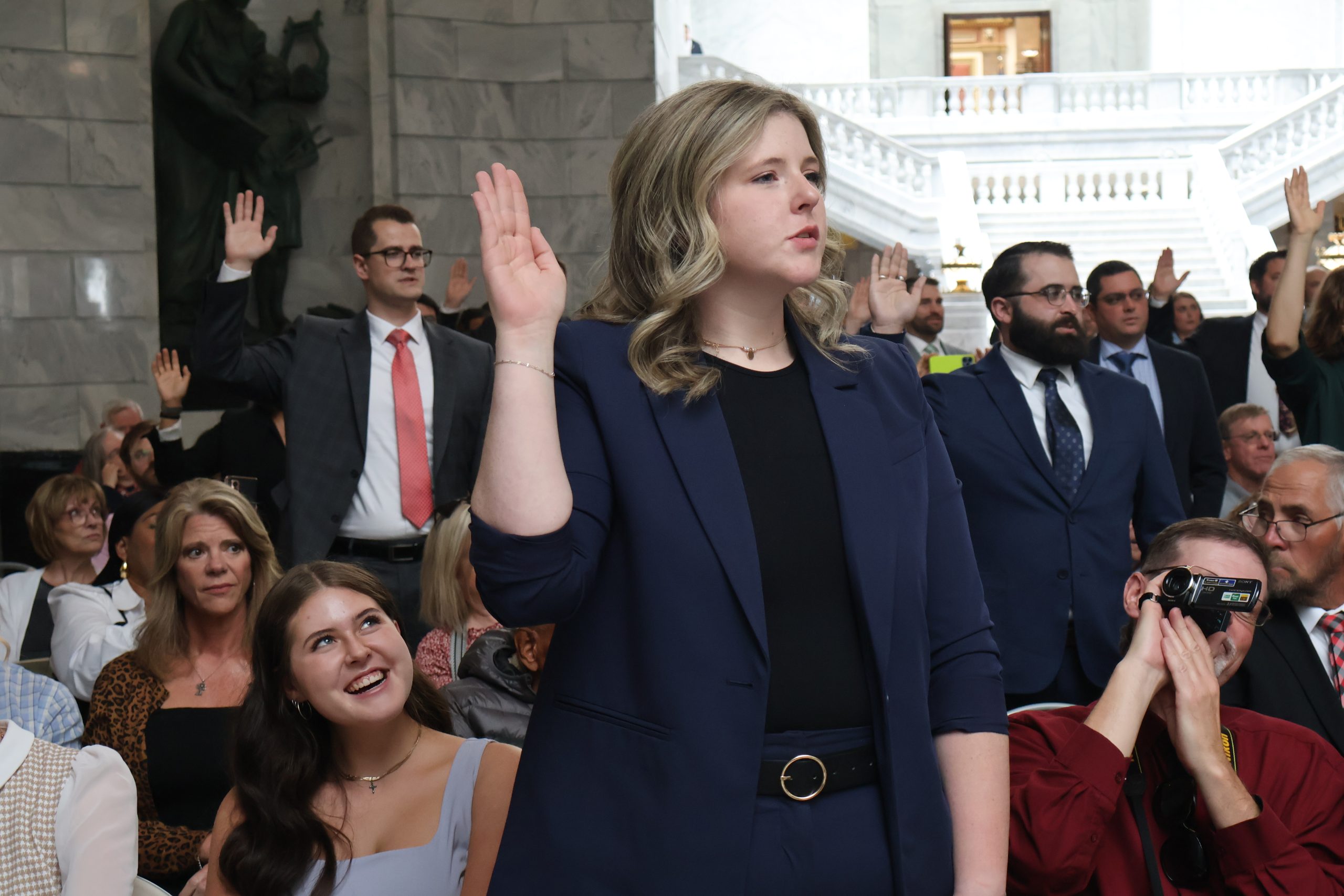
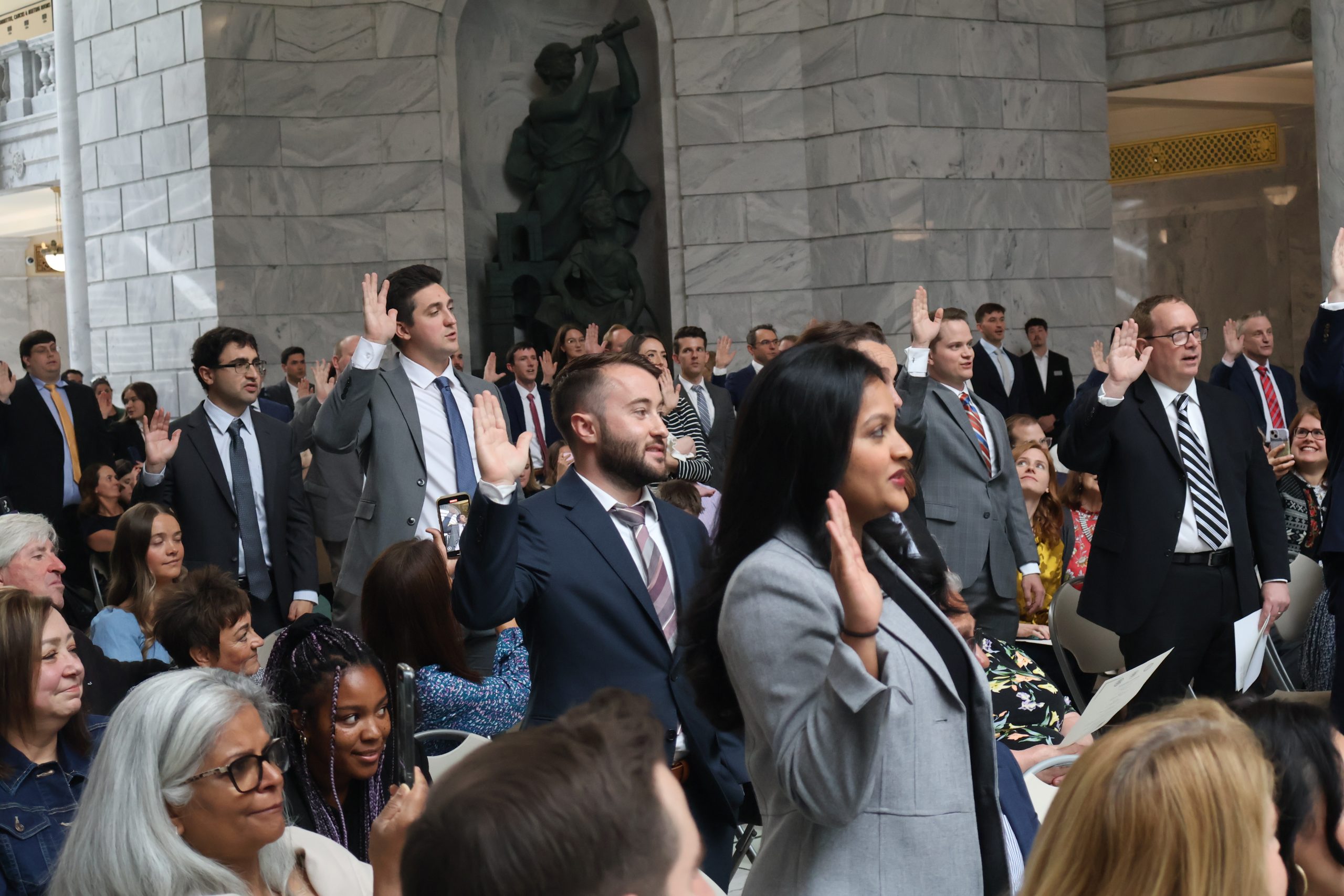
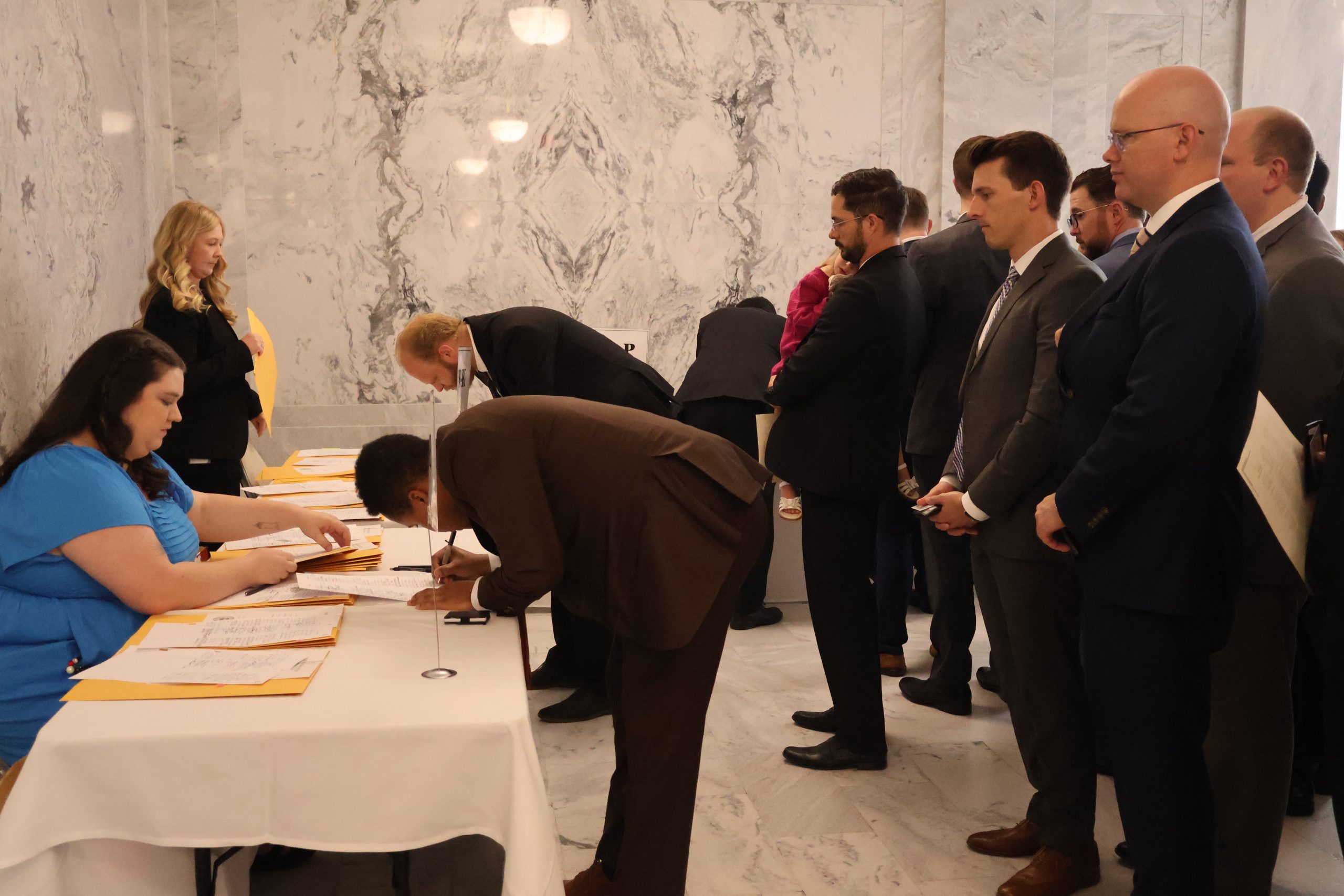
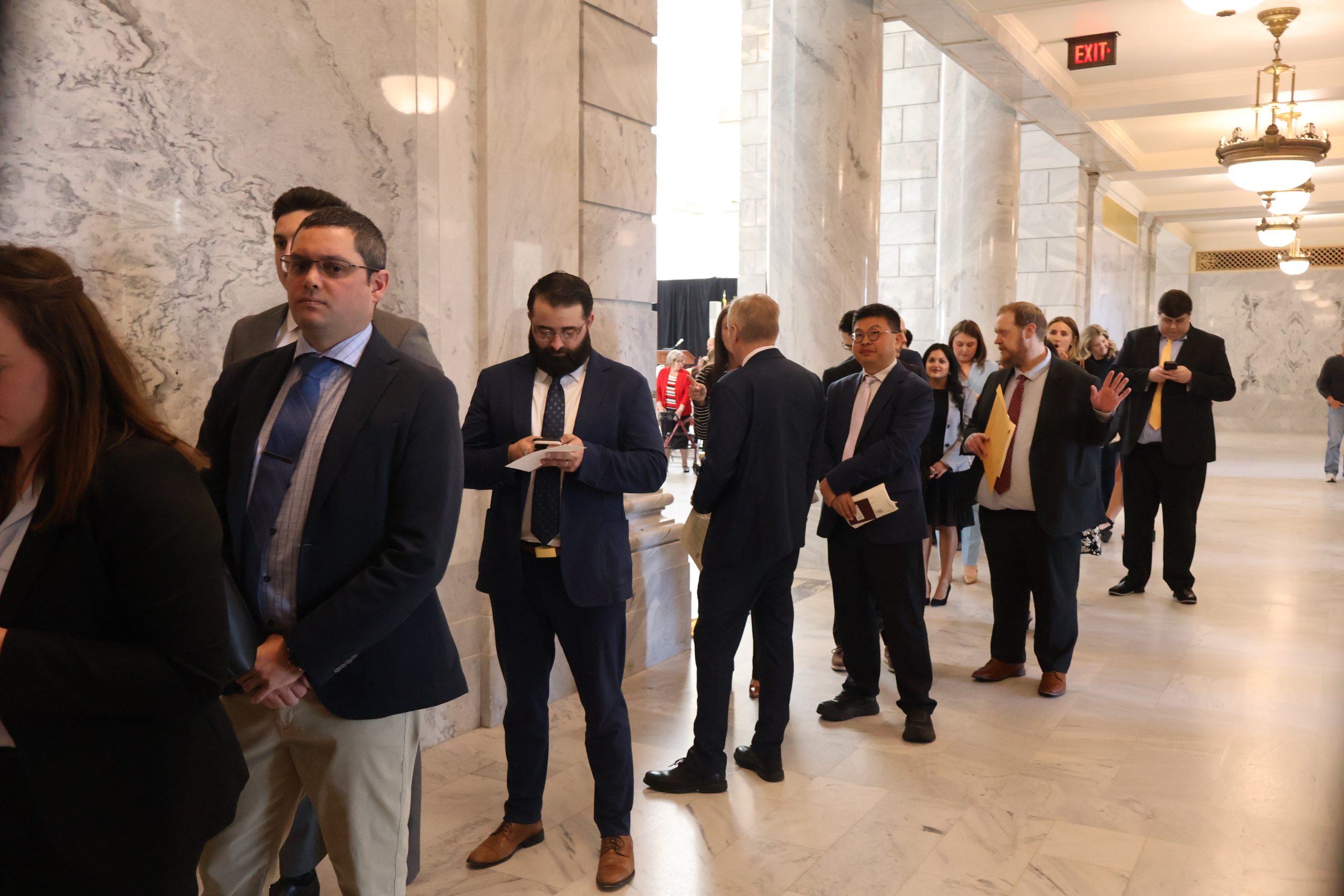
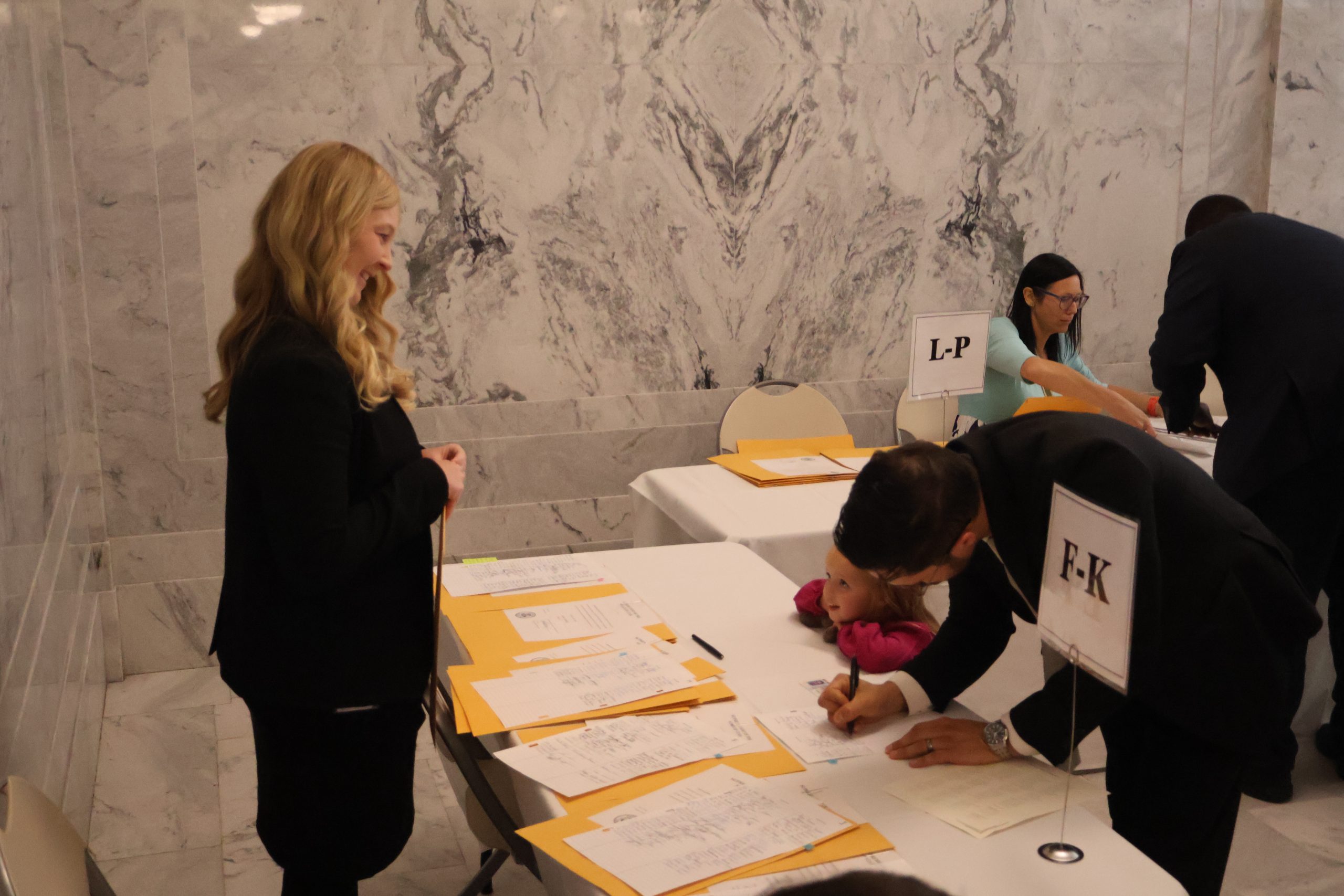
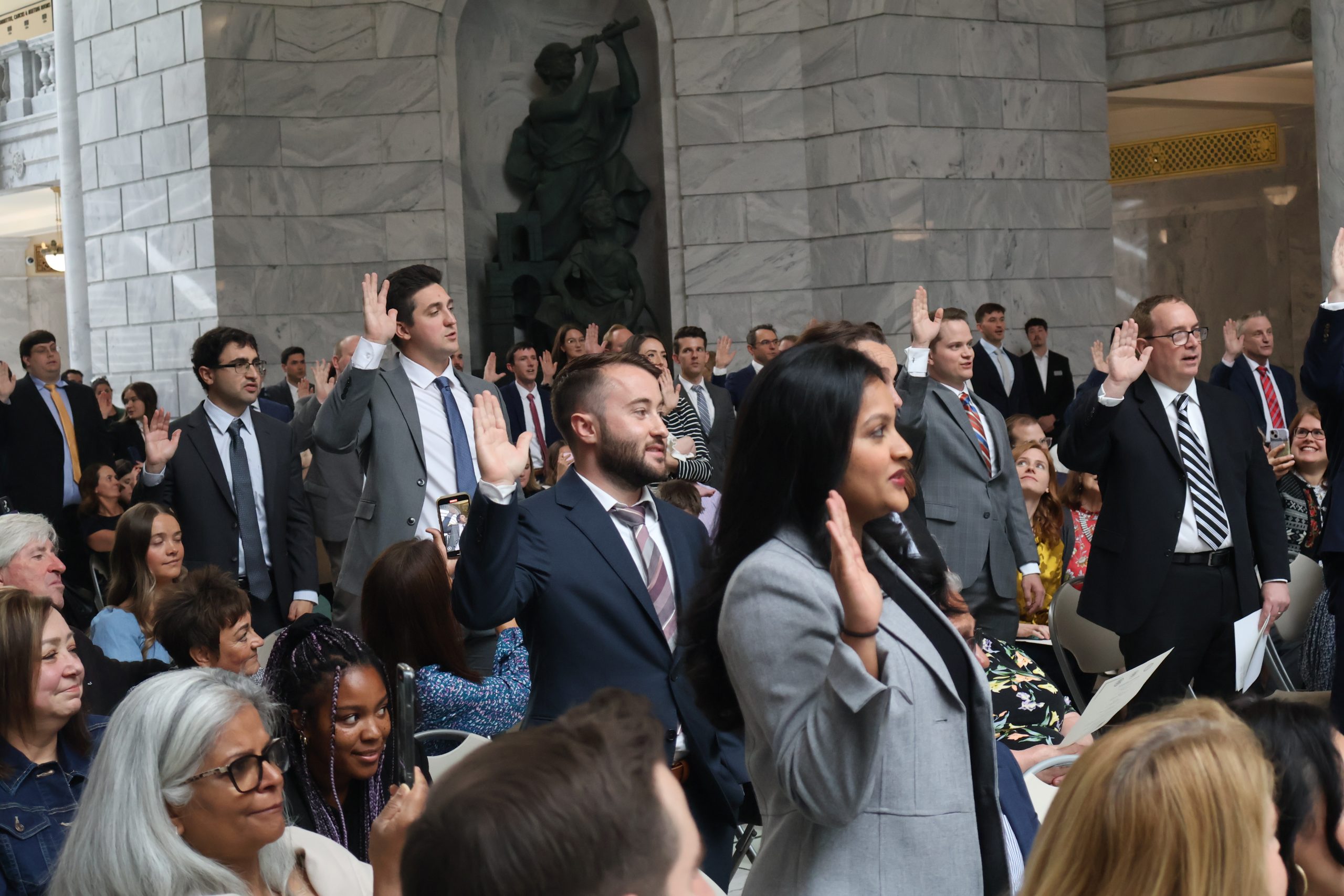
On May 20, 2025, the historic halls of the Utah State Capitol were filled with pride, promise, and professional achievement as 144 new attorneys and two Licensed Paralegal Practitioners (LPPs) took the solemn oath to uphold the Constitution, the rule of law, and the highest ethical standards of legal practice. The Utah State Bar Admission Ceremony, held under the stunning dome of the Capitol Rotunda, was both a formal milestone and an emotional celebration for the newest members of Utah’s legal community.

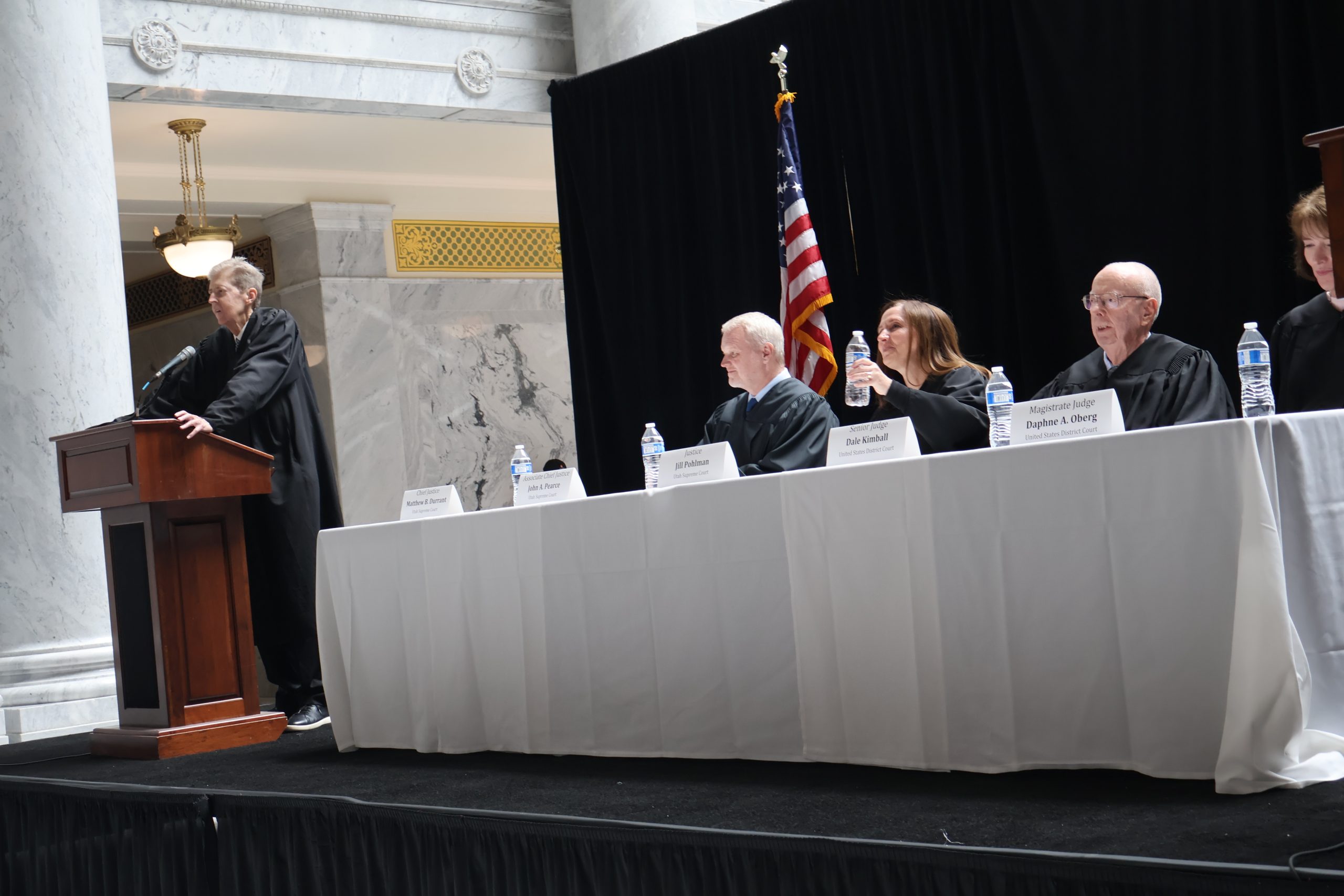
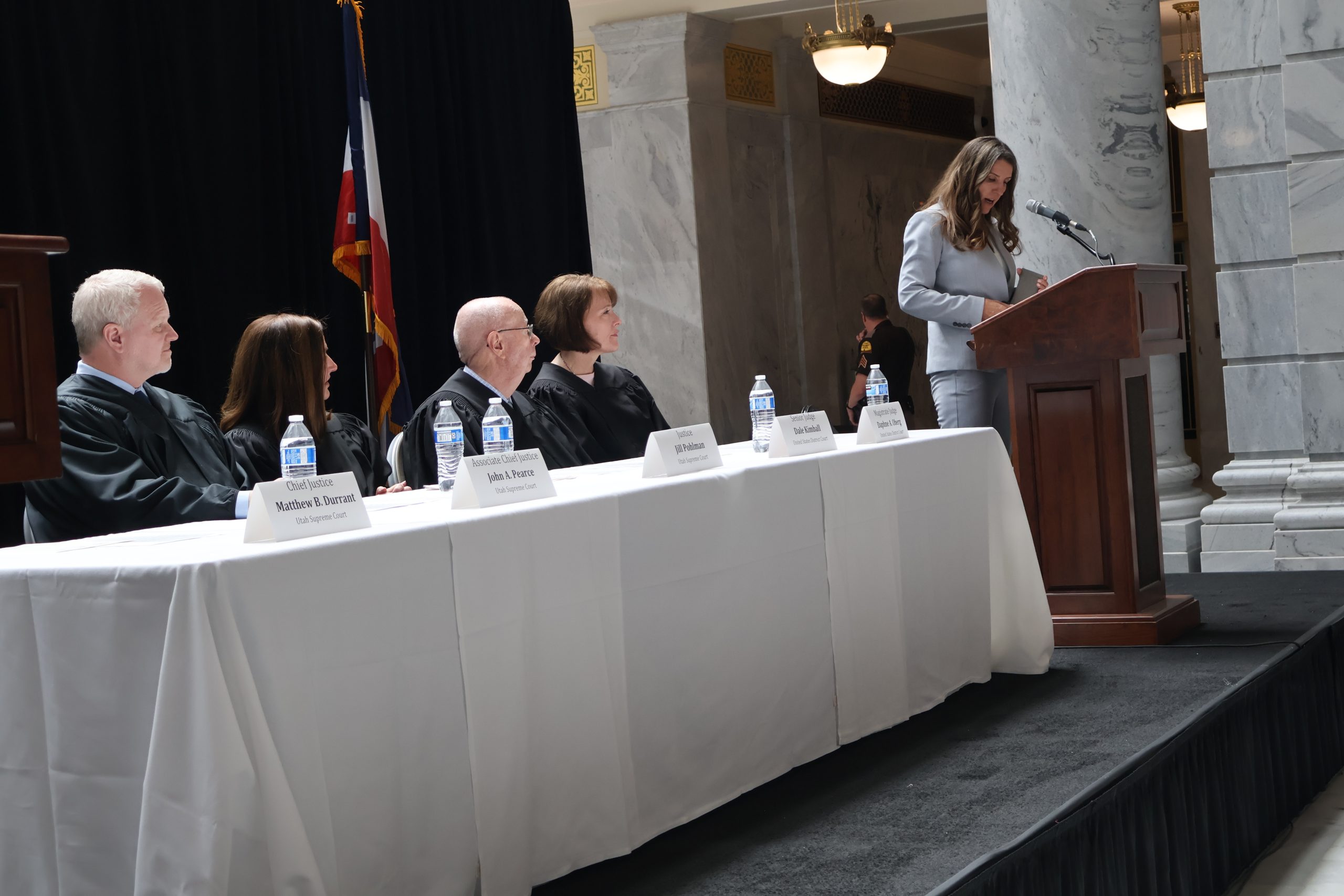
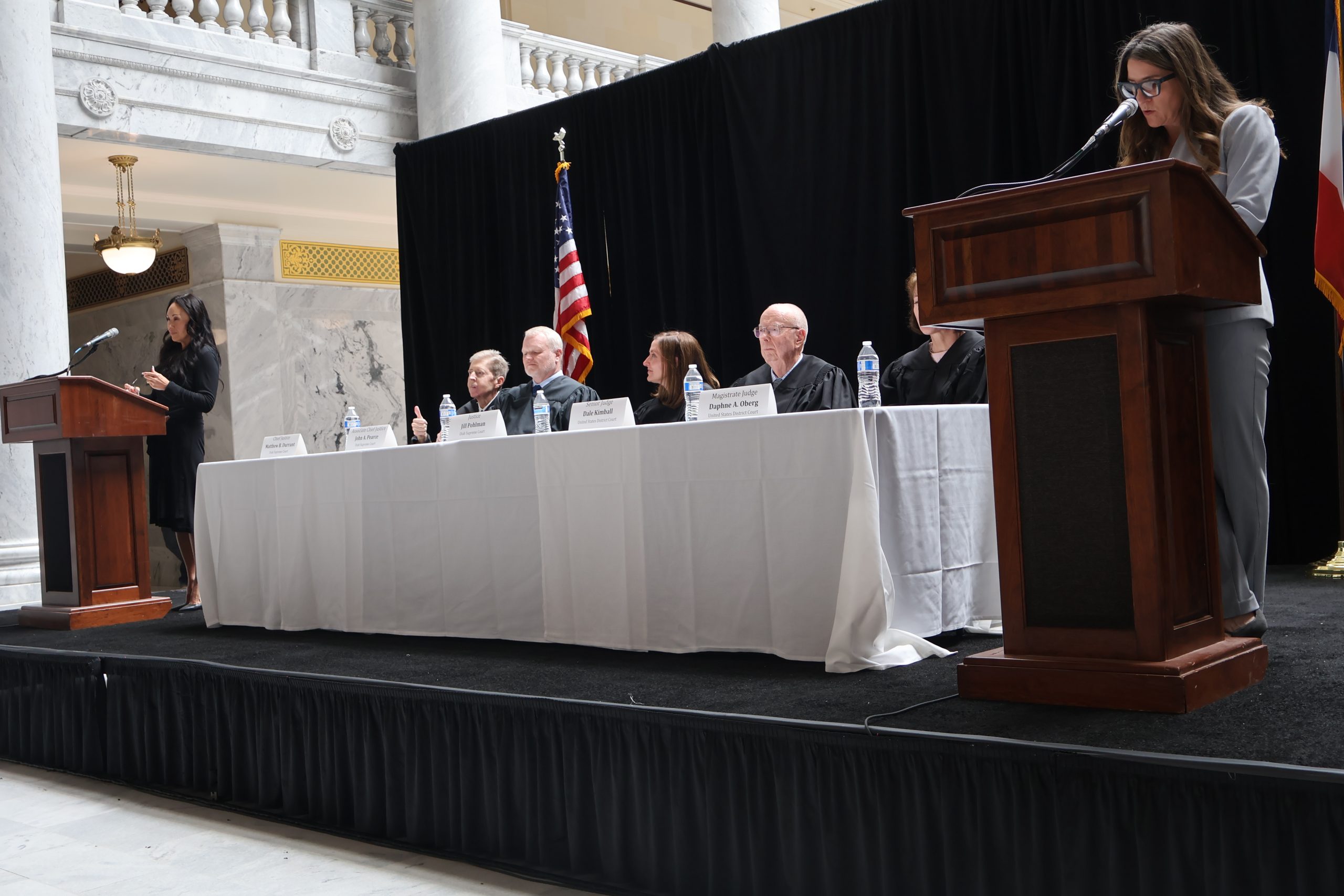
The proceedings began with the Convening of the Court by Nicole Gray, Clerk of the Court, Utah Supreme Court. The court itself was represented by an esteemed bench, including Utah Supreme Court Chief Justice Matthew Durrant, Associate Chief Justice John A. Pearce, Justice Jill Pohlman, U.S. District Court, District of Utah, Senior Judge Dale A. Kimball, and Magistrate Judge Daphne Oberg.

Justice Durrant opened the ceremony with heartfelt enthusiasm, addressing the crowd of proud families, mentors, and colleagues who filled half of the Capitol’s majestic second floor. He spoke of the exciting and meaningful journey ahead for these new legal professionals and the important roles they will play in preserving justice and integrity in society.

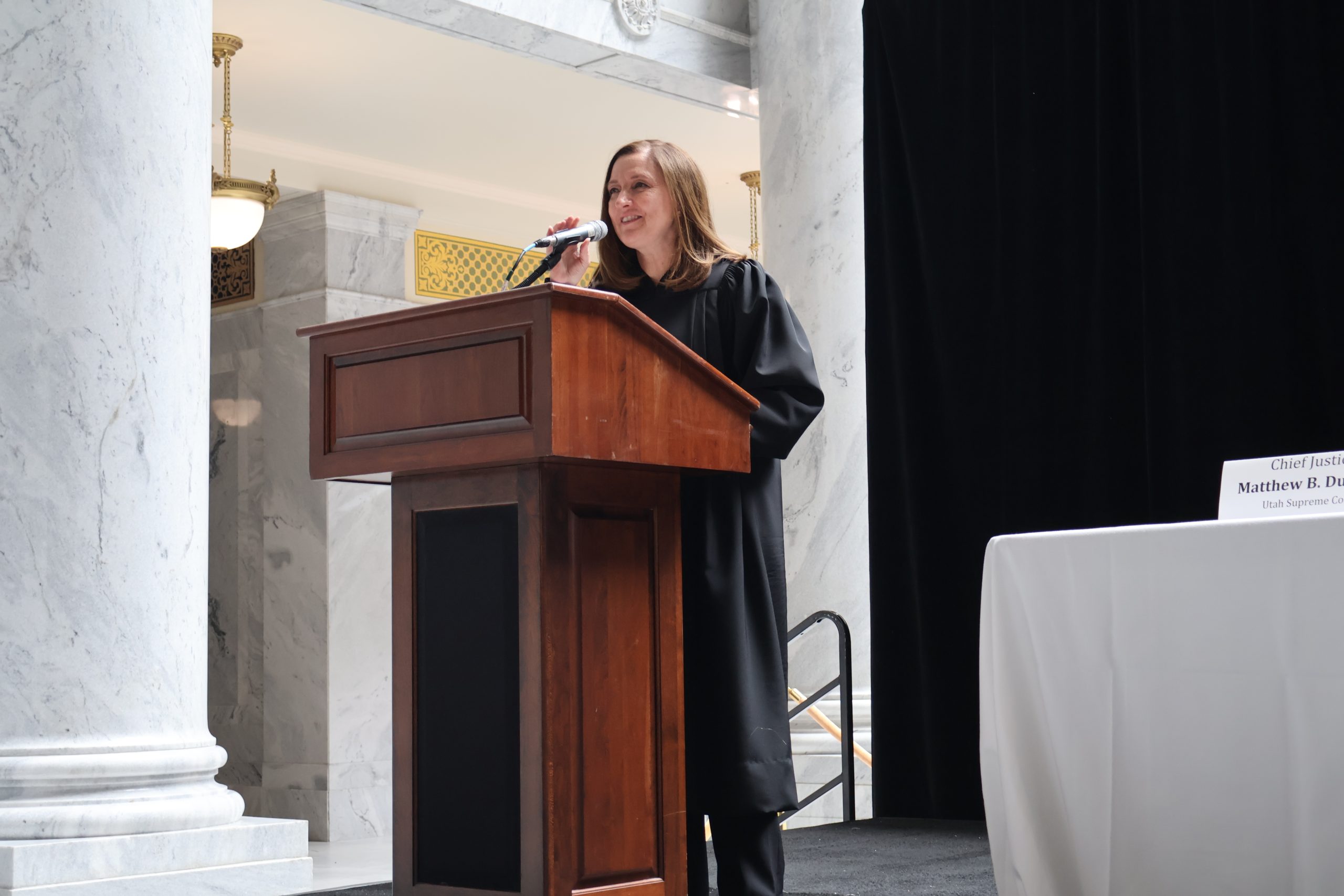
Following Durrant, Justice Pohlman delivered a speech that was as insightful as it was entertaining. She wove classic movie quotes into her practical advice—drawing laughs and nods of appreciation with lines from Forrest Gump and Casablanca, bringing levity and relatability to the solemnity of the day.

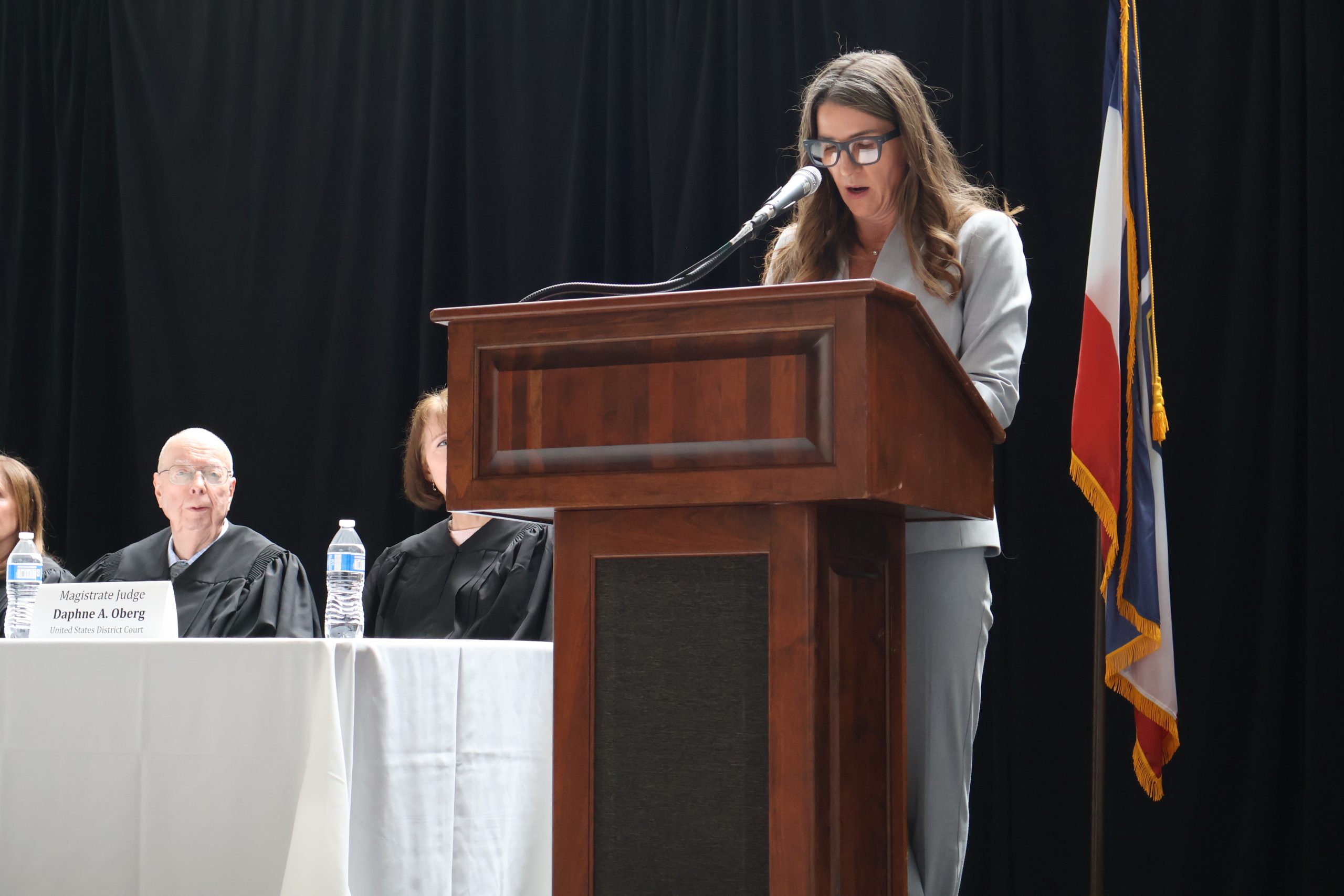
The celebration continued with a warm and personal invitation from Ezzy Khaosanga, President of the Young Lawyers Division (YLD). She encouraged the new lawyers to get involved with YLD, recounting her own experience of helping a firefighter draft a will—a moment she described as deeply humbling and rewarding, marked by the client’s tears of gratitude. Her story was a poignant reminder of the profound human impact lawyers can have.

Utah State Bar President Cara Tangaro then took the stage, delivering a rousing call to community and connection. She urged the new attorneys to be curious, to lean on one another, and to engage in both digital and in-person networking. “Follow each other on social media,” she said, “so you can discover commonalities and strengthen your professional relationships.” Her words underscored the importance of collaboration in a profession often perceived as solitary.

Standing across from Tangaro, Bar President-Elect Kim Cordova joined her at a second podium. Together, they made the formal motion to the court for the admission of the new legal professionals—a motion that was unanimously approved.

Cordova and Tangaro then took turns reading each new lawyer’s name aloud, culminating in Nicole Gray administering the Attorney Oath and the LPP Oath. The room erupted in rounds of applause, echoing the collective pride of all in attendance.

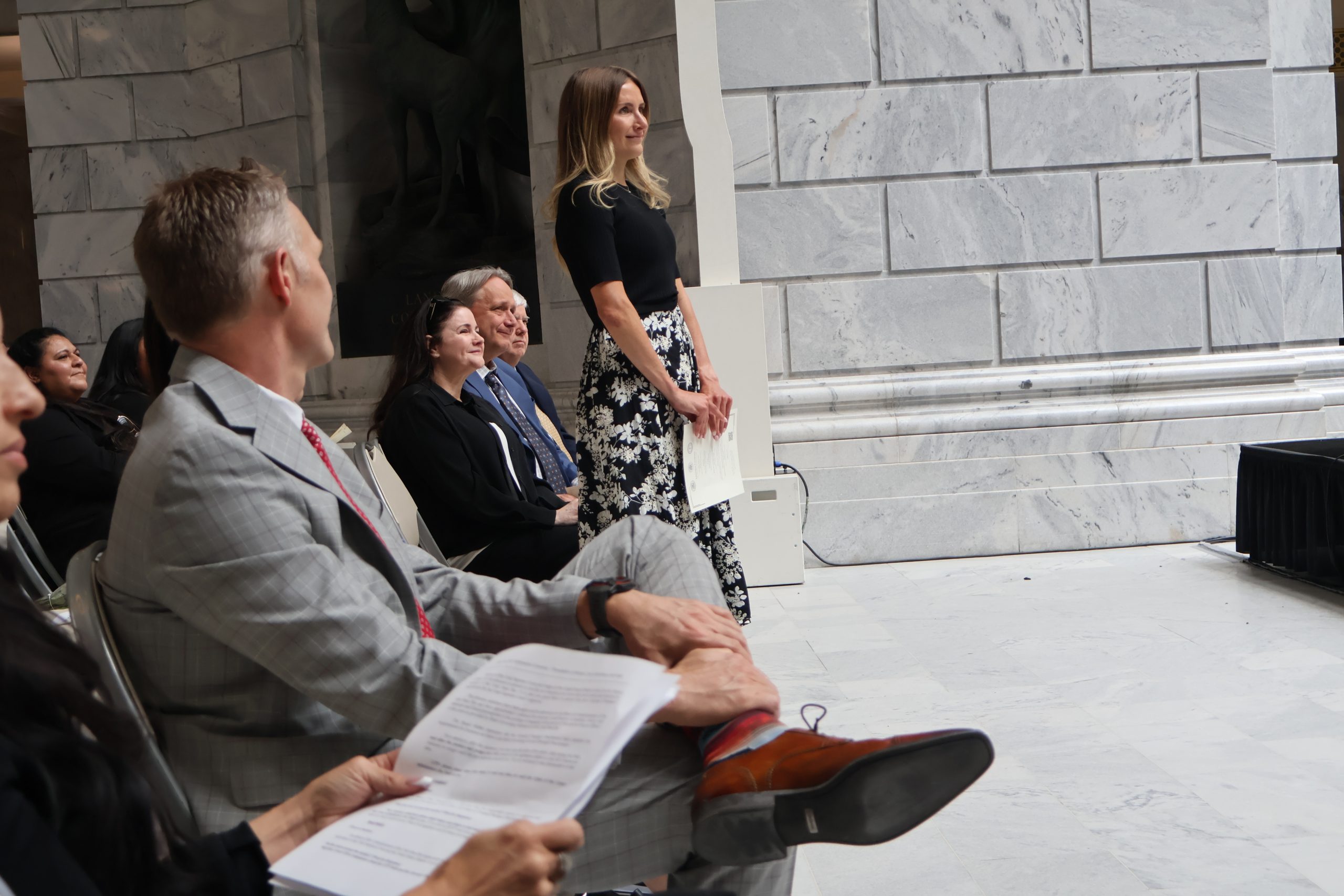
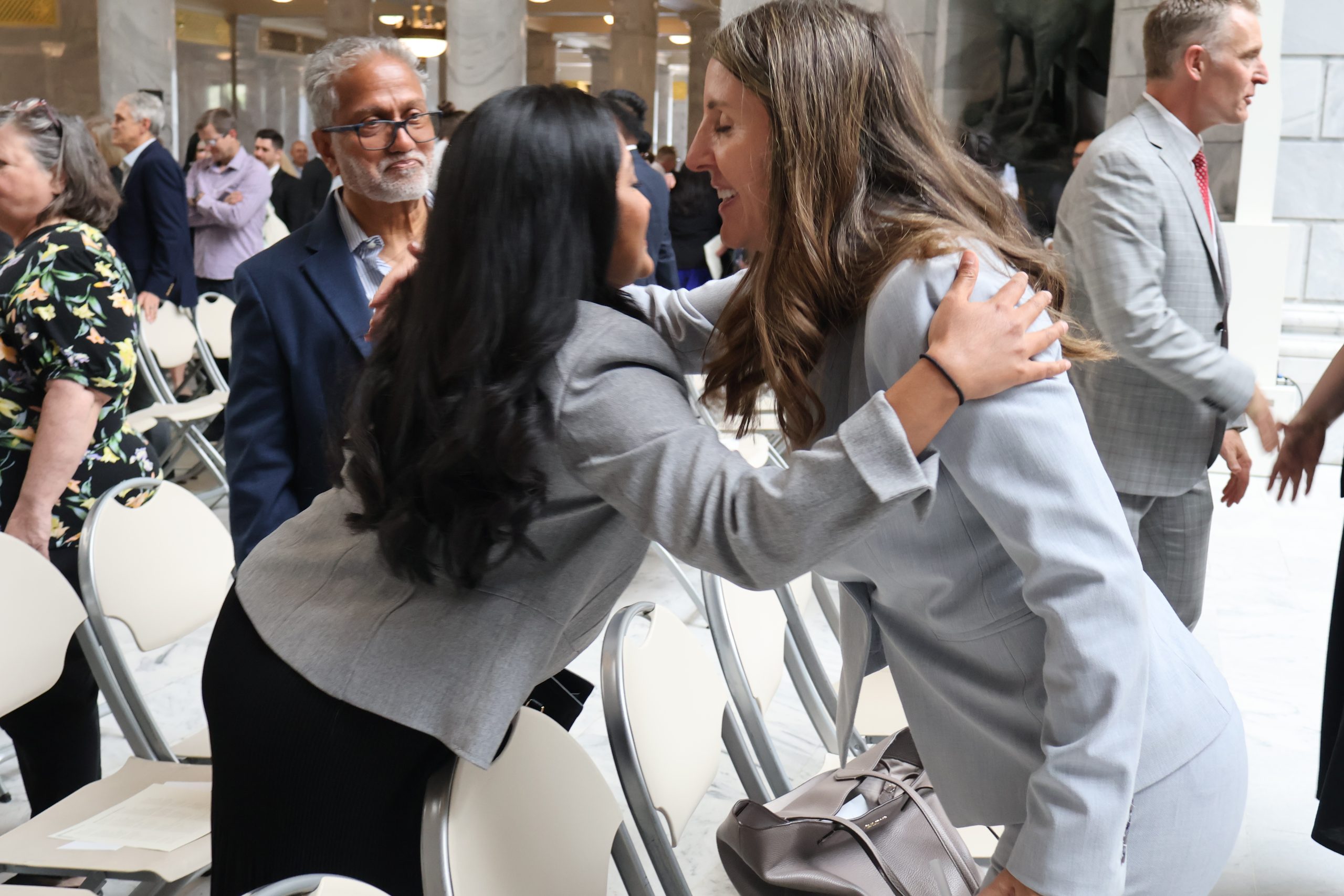
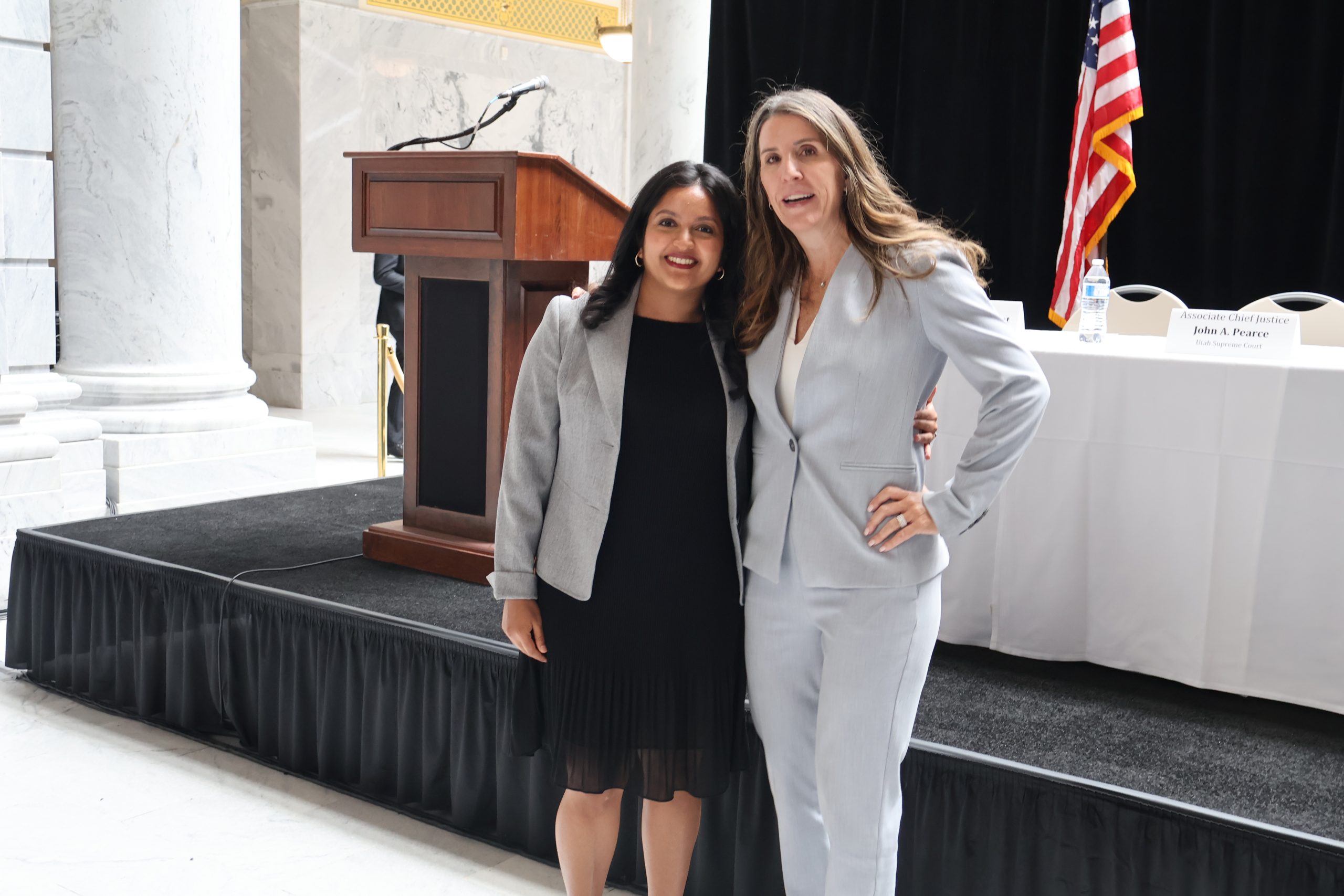
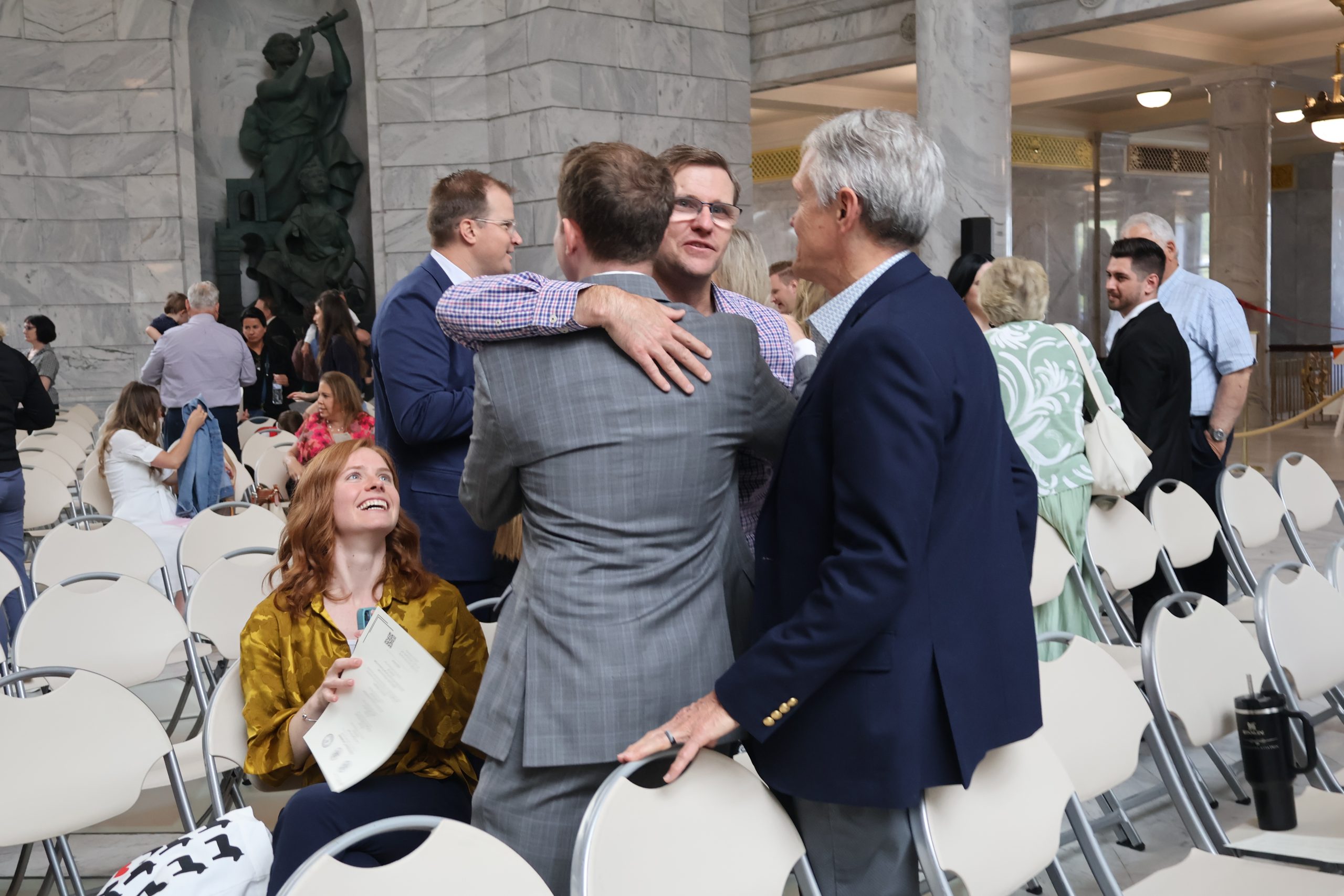
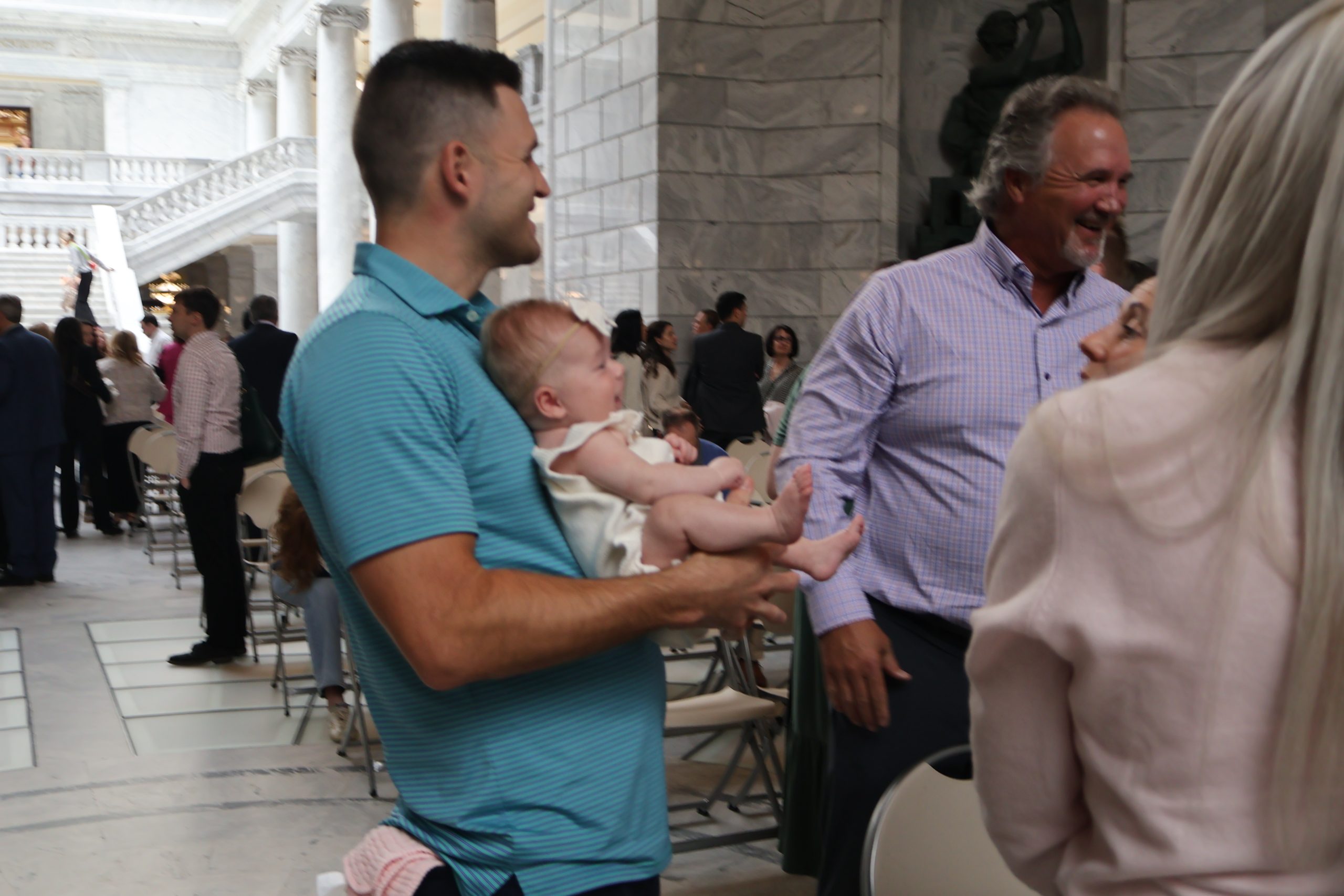
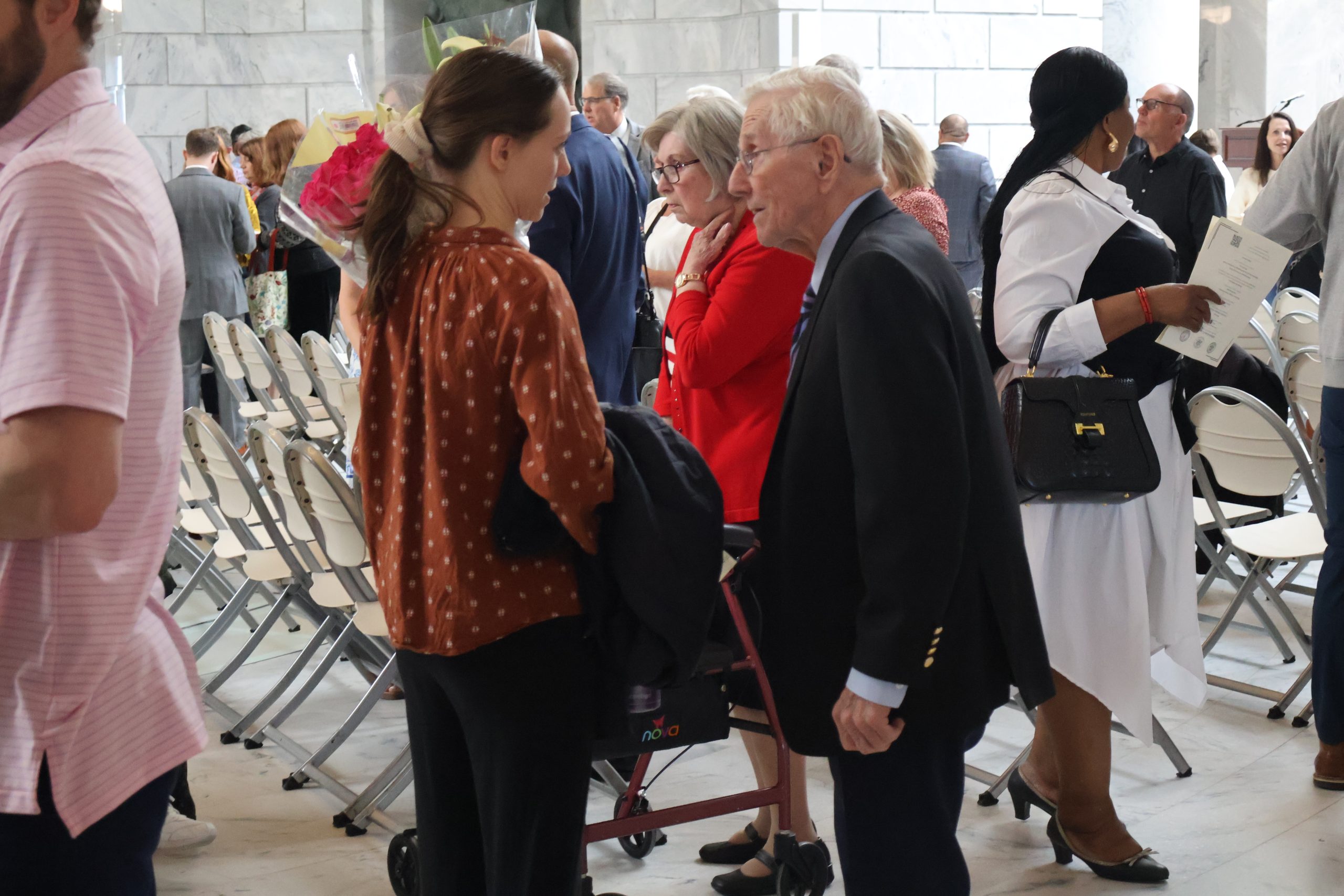
As the court adjourned, the rotunda transformed from a chamber of ceremony to a space of joyful celebration. Hugs were exchanged, photos captured the moment, and newly minted attorneys stood beaming with their families, ready to embark on careers built on service, justice, and advocacy.

The May 2025 Utah State Bar Admission Ceremony was not just a rite of passage—it was a heartfelt reminder of the enduring spirit of the legal profession and the power of law to shape lives and communities for the better.

AI was used to write the headline of this blog and the production of the video below.

Search UtahBar.org