
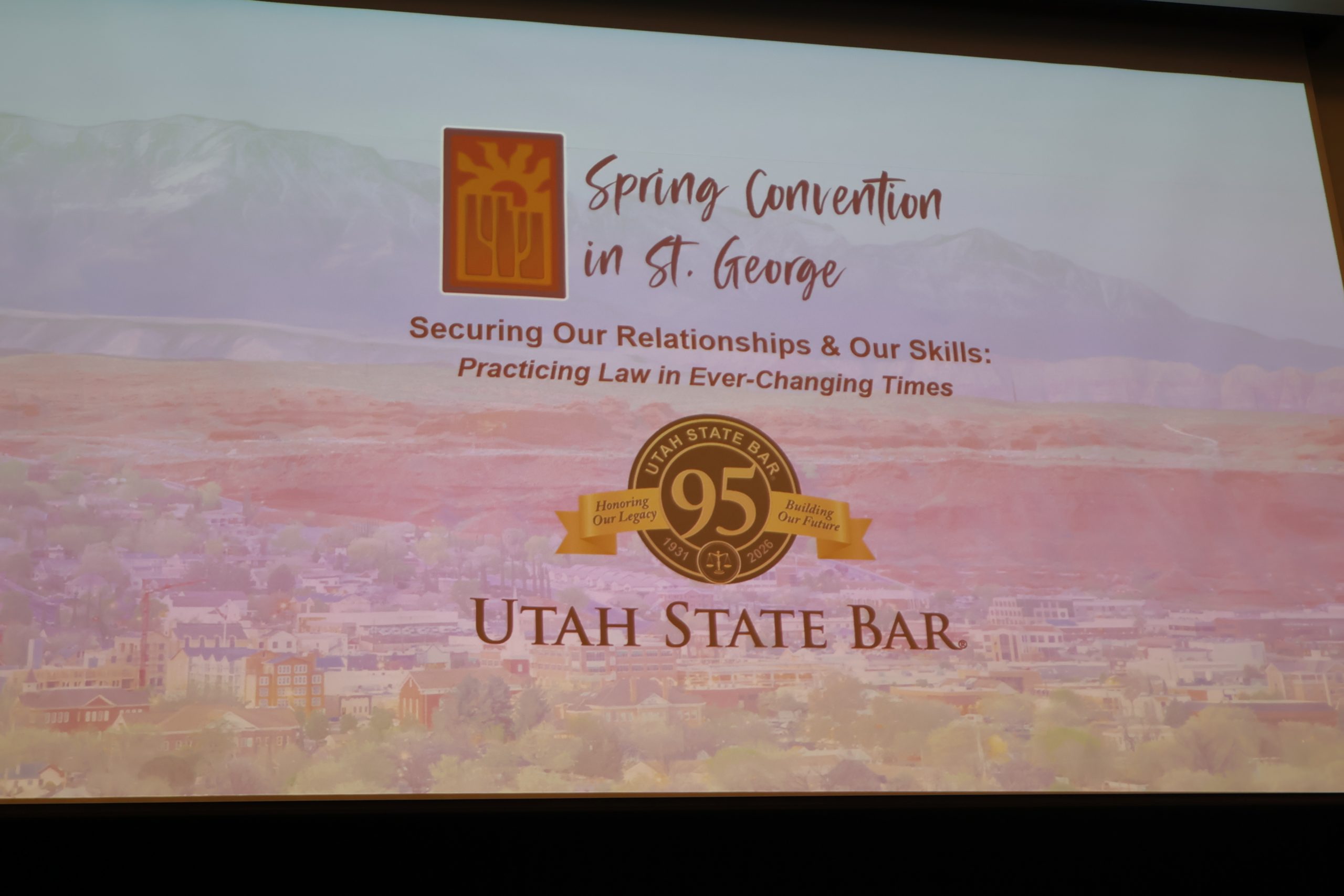
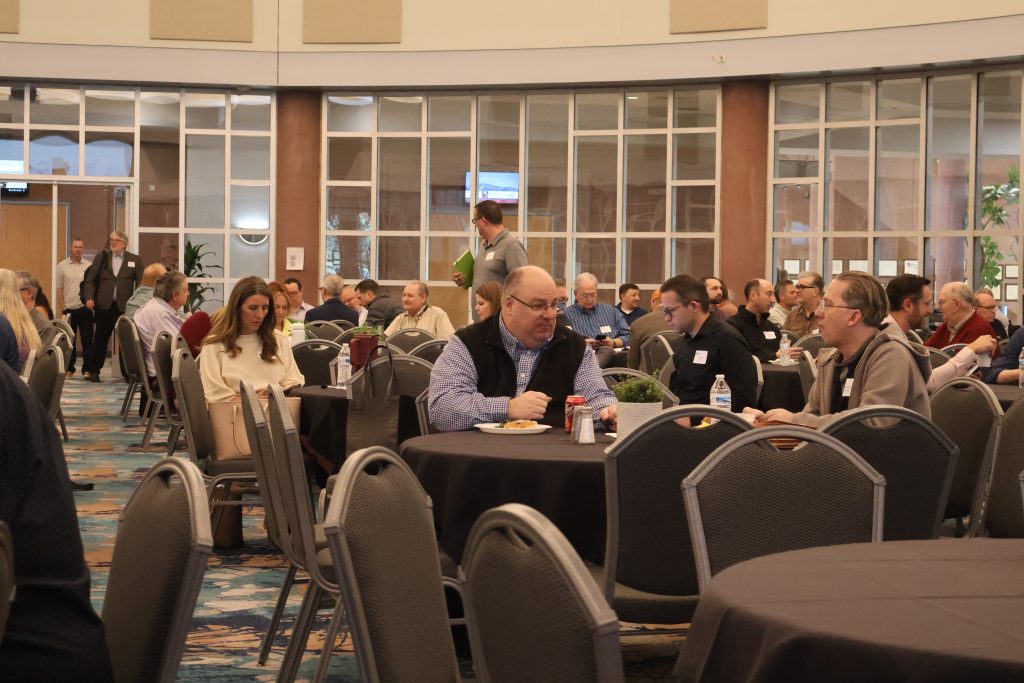
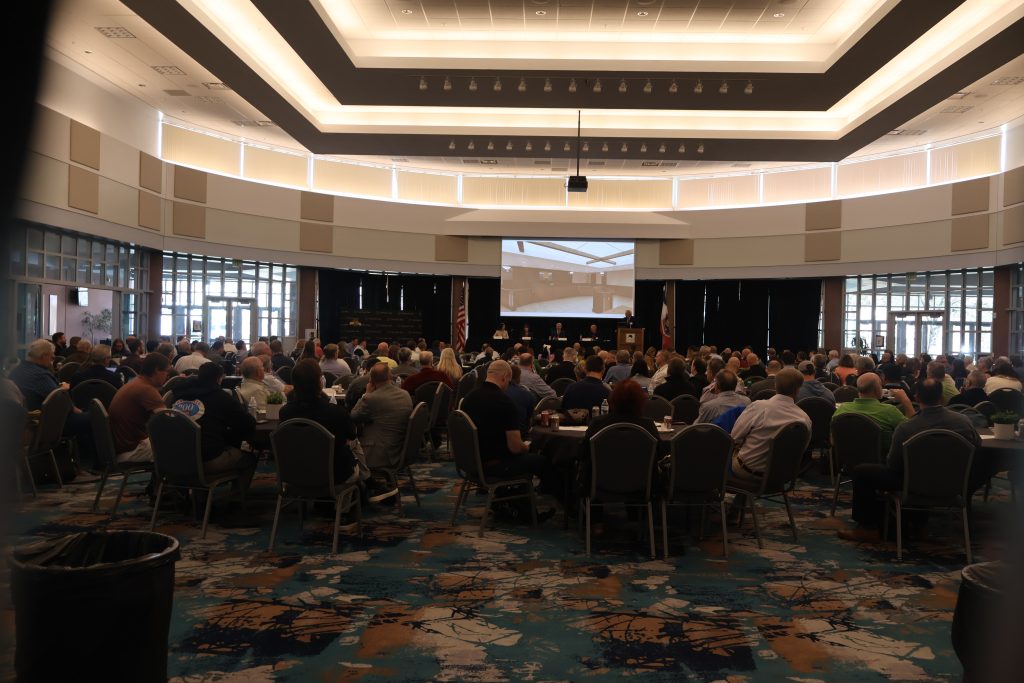
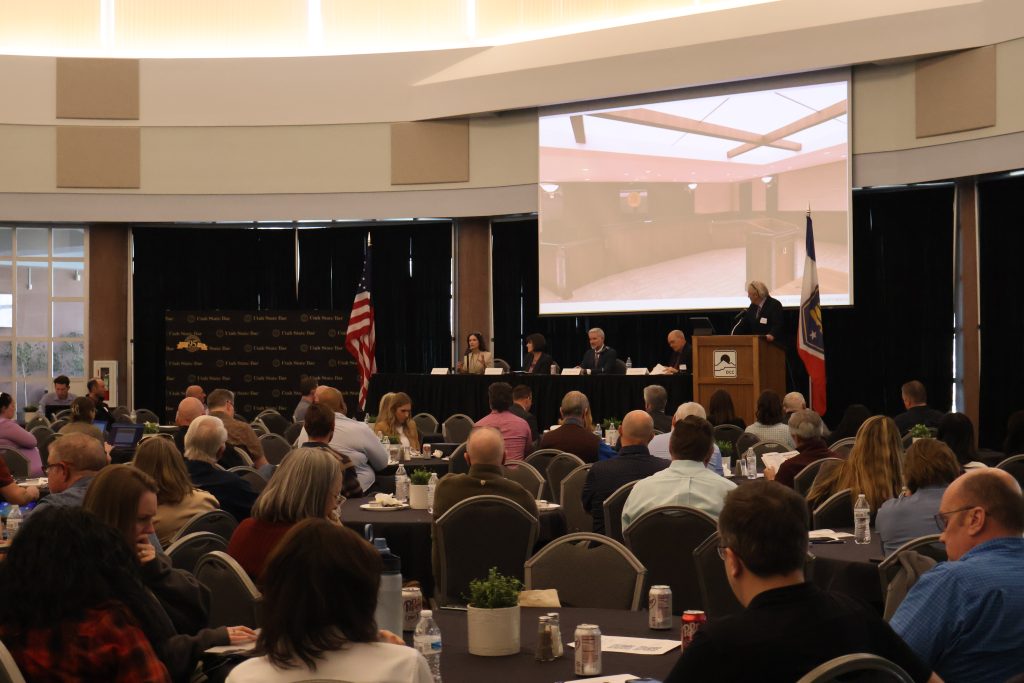
The 2026 Spring Convention of the Utah State Bar opened Thursday morning at the Dixie Convention Center in St. George with a full house and a meaningful milestone: the commemoration of the Bar’s 95th anniversary. With the theme, Securing Our Relationships and Our Skills: Practicing Law in Ever-Changing Times, the first day blended reflection on the profession’s past with conversations about the challenges and innovations shaping Utah’s legal community today.
Opening and CLE Programming
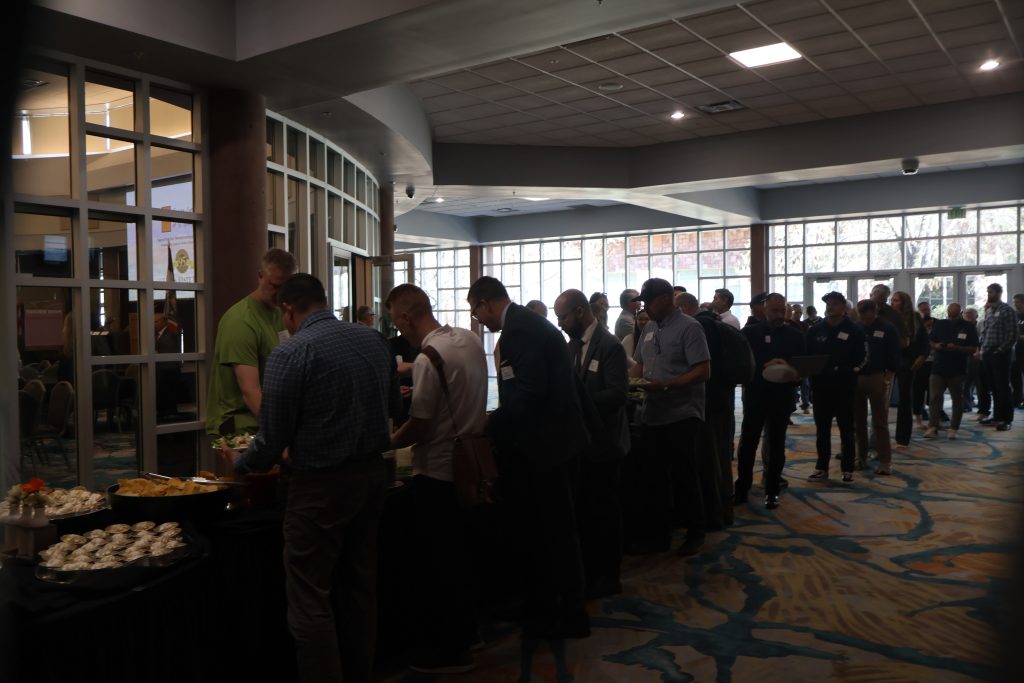
After registration and a continental breakfast, attendees gathered for the morning welcome and the day’s first continuing legal education session, which focused on the safety and security of Utah’s legal community. The discussion emphasized how courthouse safety, judicial security, and professional responsibility intersect with the daily practice of law.
Speak Up For Justice Paul Kiesel highlighted the real-world experiences of those working to ensure that courthouses remain safe environments for advocates, litigants, and judges alike. He spoke about an incident involving federal court Judge Mark S. Norris’ law clerk, who was shot during a robbery, which led to the recusal of Judge Norris from the Tyre Nichols case. The law clerk suffered a gunshot wound to the chest and was the victim of an auto theft and attempted murder. The criminal assault occurred just days after the verdict in the civil rights case against the officers who killed Nichols at a traffic stop in 2023.
Celebrating 95 Years of the Utah State Bar
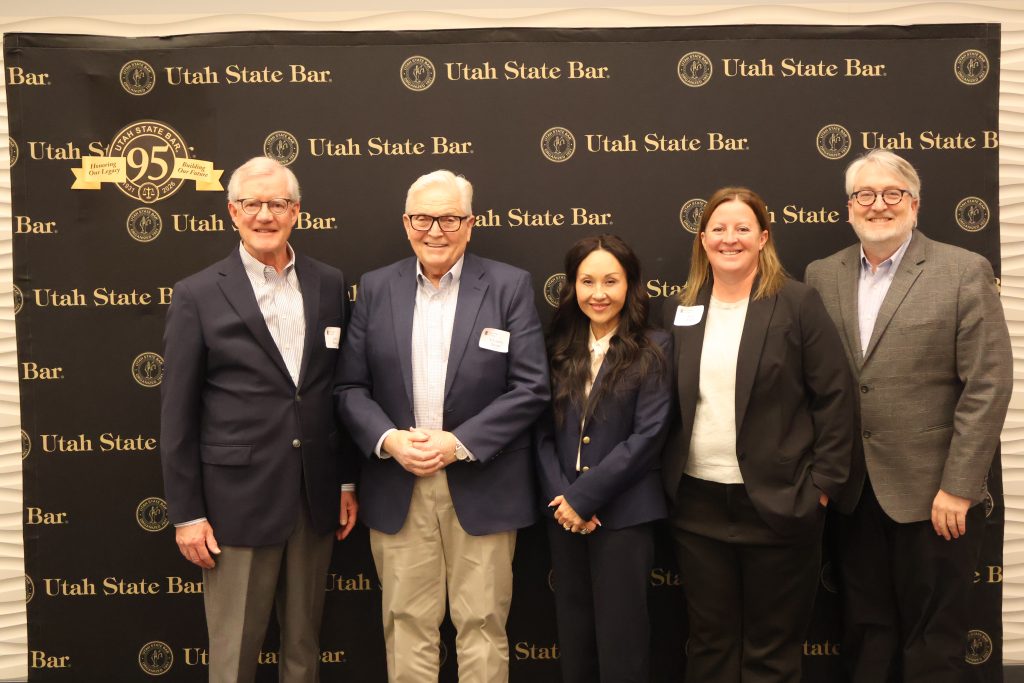
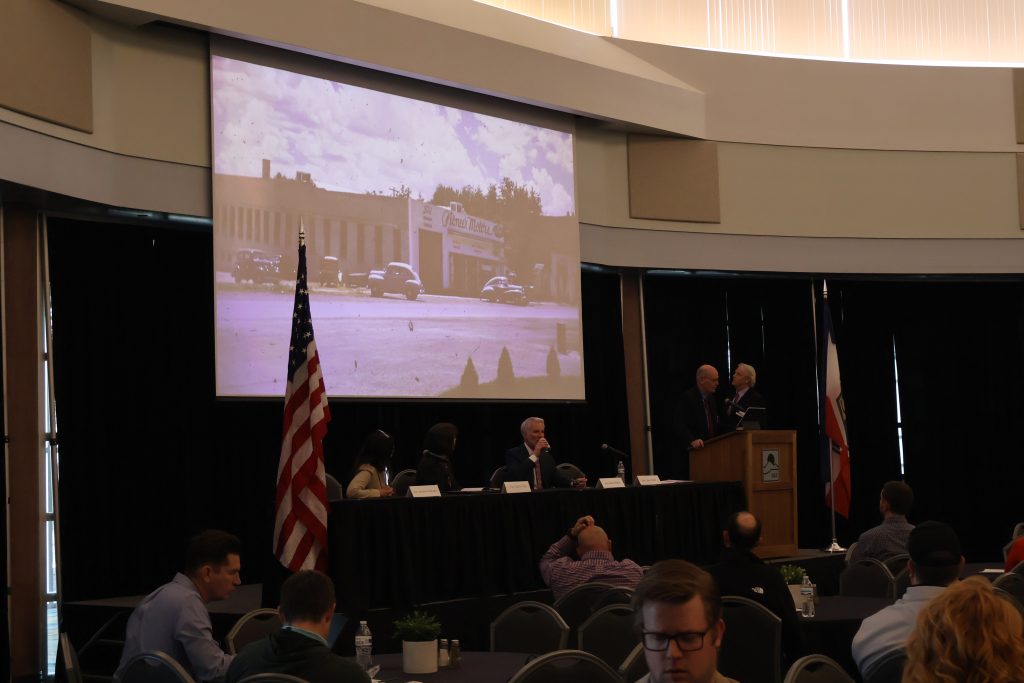
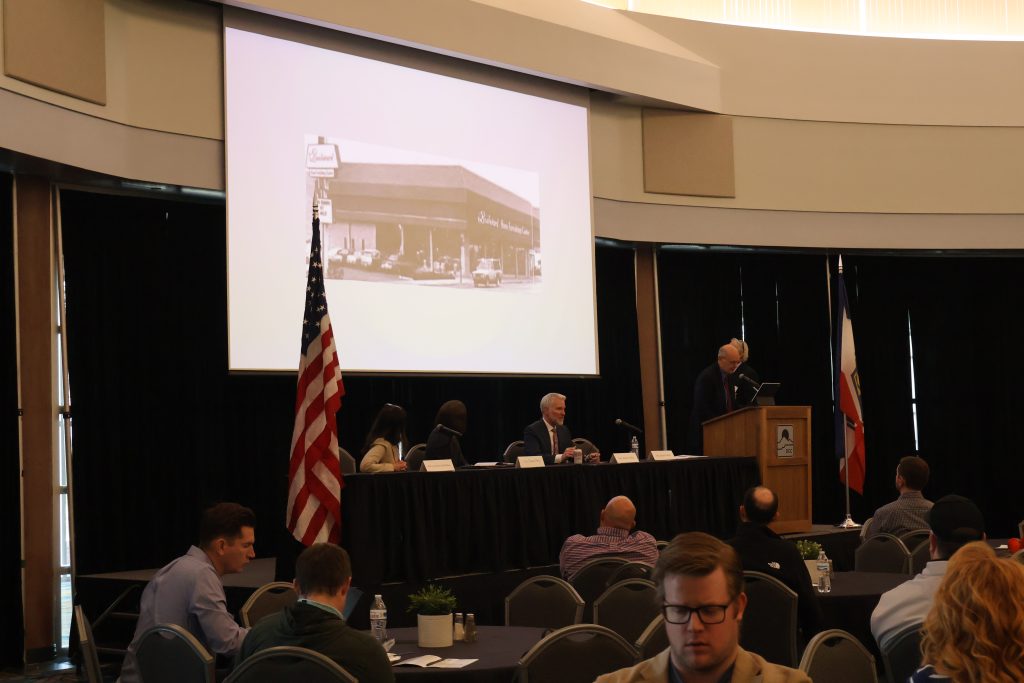
One of the central events of the morning was a special panel marking the Bar’s 95th anniversary. The panel featured past Bar presidents reflecting on the organization’s evolution and its role in supporting both lawyers and the public.
The discussion was framed by moderator John Adams, who posed a question to the panelists: what moment in the Bar’s history represented a defining milestone?
Each former president offered a different perspective on the Bar’s progress.
V. Lowry Snow pointed to the development of the New Lawyer Training Program, describing it as a critical step in preparing newly licensed attorneys for the realities of practice while reinforcing professional responsibility and mentorship within the legal community.
Katie Woods highlighted the Bar’s early investment in virtual CLE programming for rural Utah attorneys. She noted that the system was created before the COVID-19 pandemic but later proved invaluable in ensuring lawyers across the state—especially those far from major population centers—could stay connected and meet their licensing requirements.
Current Bar President Kim Cordova emphasized the Bar’s commitment to access to justice, noting how technology and collaborative initiatives have helped bridge gaps between Utah residents and the court system. Streamlined processes and digital tools, she said, have made legal services and court access more efficient and more accessible.
Nate Alder reflected on the creation of the Judicial Performance Evaluation Commission (JPEC), explaining its importance in safeguarding the integrity of judicial retention elections. The commission, he noted, helps ensure those elections remain focused on judicial performance rather than political pressure.
John Adams also spoke about the Bar’s progress in advancing opportunities for women in the legal profession. He cited trailblazing figures such as Pamela T. Greenwood, the first female Bar President, and Ret. Hon. Christine Durham, the first female Utah Supreme Court Justice. He heralded them as role models who helped open doors and reshape expectations for women in Utah’s legal community.
Together, the panel’s reflections painted a picture of an organization that has grown alongside the profession it serves—adapting to technological change, expanding educational resources, and continually working to strengthen the rule of law.
Awards and Recognition
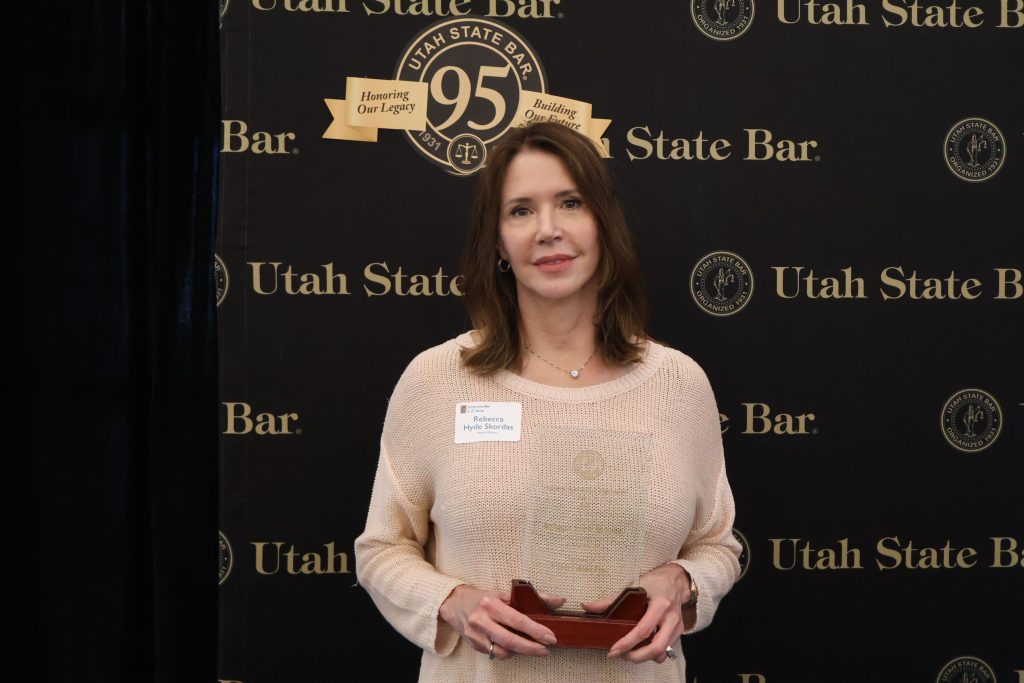
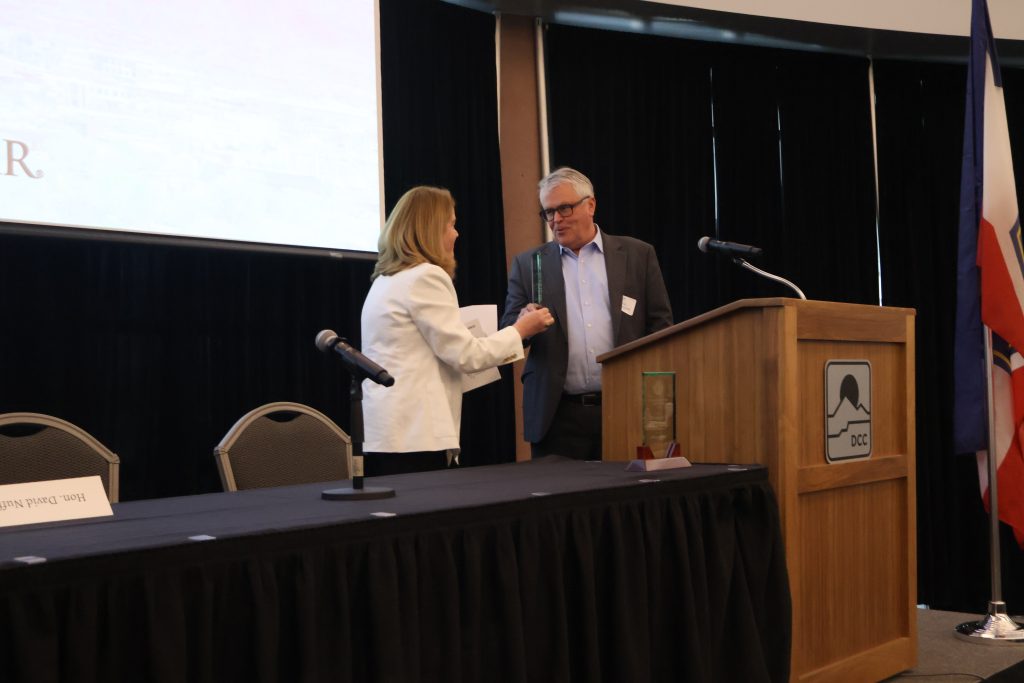
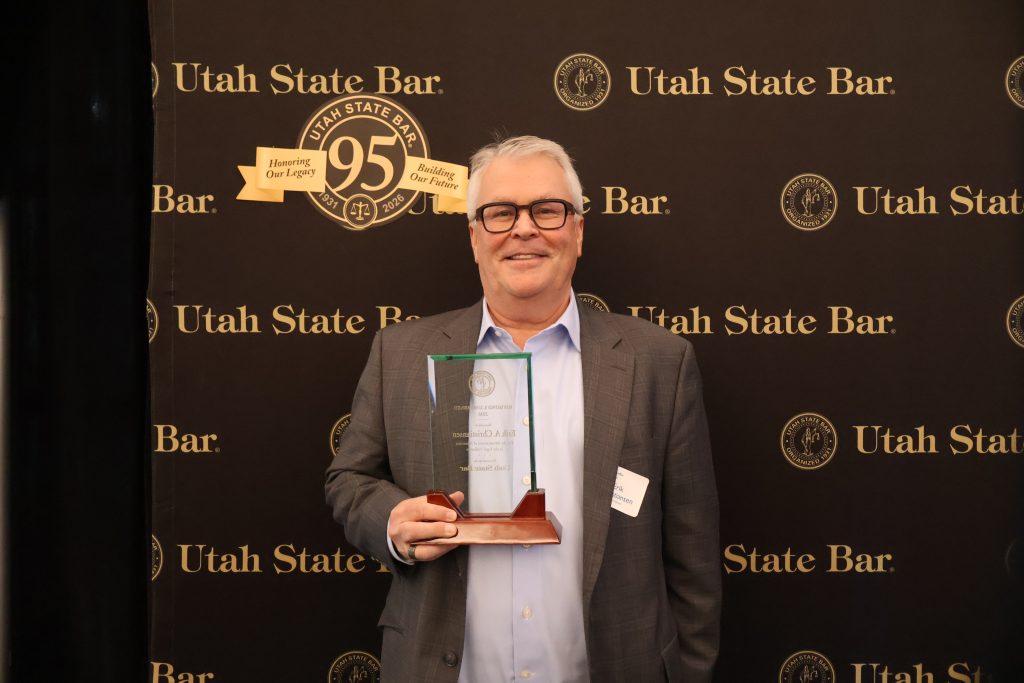
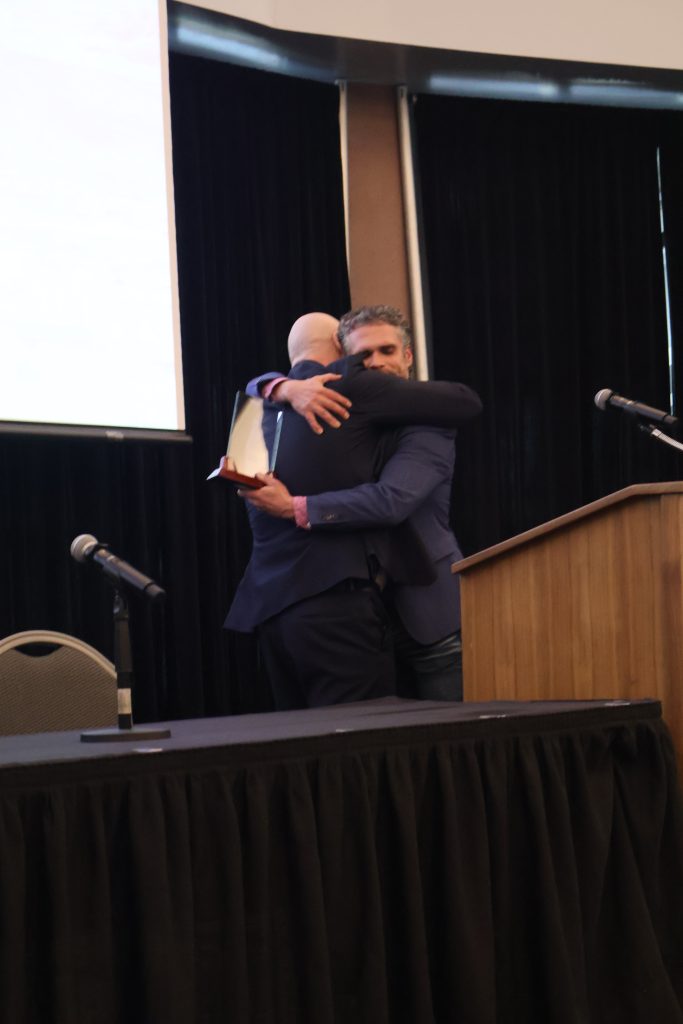
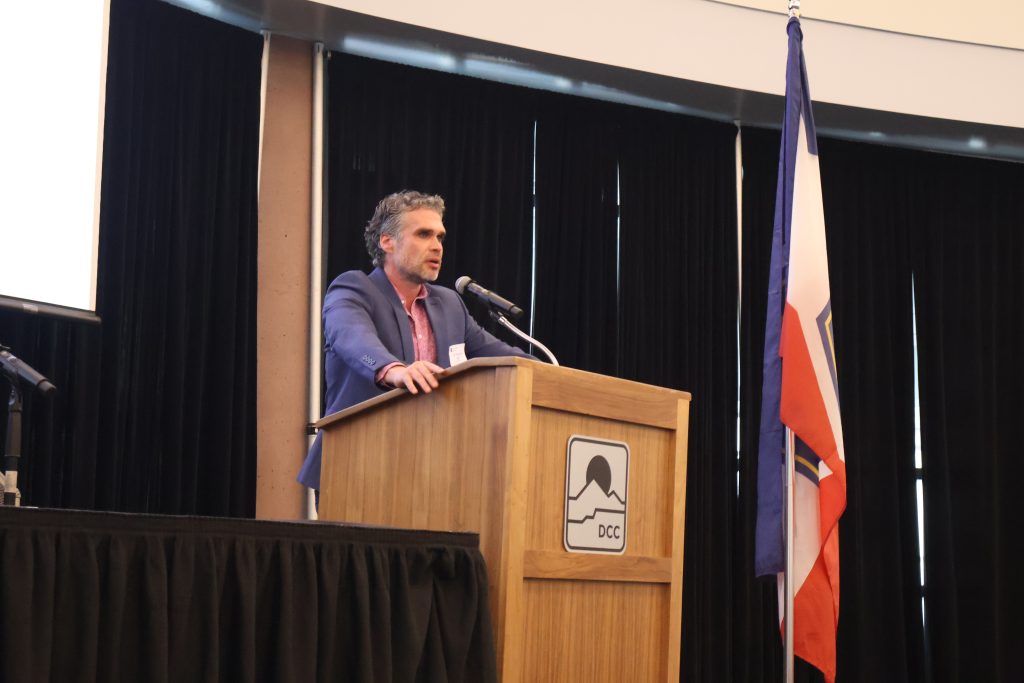
The convention’s lunch program included the annual awards presentation. Rebecca Hyde Skordas was honored with the Dorathy Merrill Award for advancing women in the legal profession, and Erik A. Christiansen was honored for advancing minorities in the law. Both expressed gratitude for the opportunities they had in their various capacities to empower people to become lawyers and to have facilitated connection to advance careers to those who otherwise wouldn’t have had the option.
(Read Erik’s Acceptance Speech)
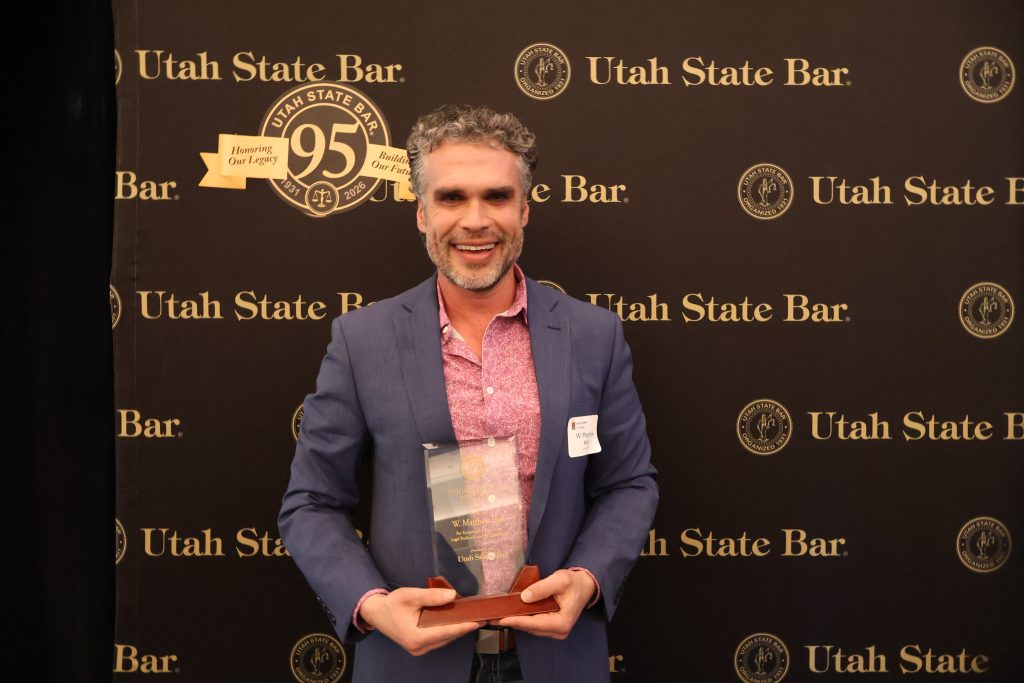
A highlight for many attendees was the bestowal of the Utah Legal Well-Being Impact Award to Matthew Hall. His acceptance speech drew the largest response with a standing ovation from the audience, underscoring the respect and appreciation he has earned within the Utah legal community and his service with Lawyers Helping Lawyers.
RELATED: Utah State Bar Honors Attorneys, Judge at Spring Convention
Conversation with the Federal Courts
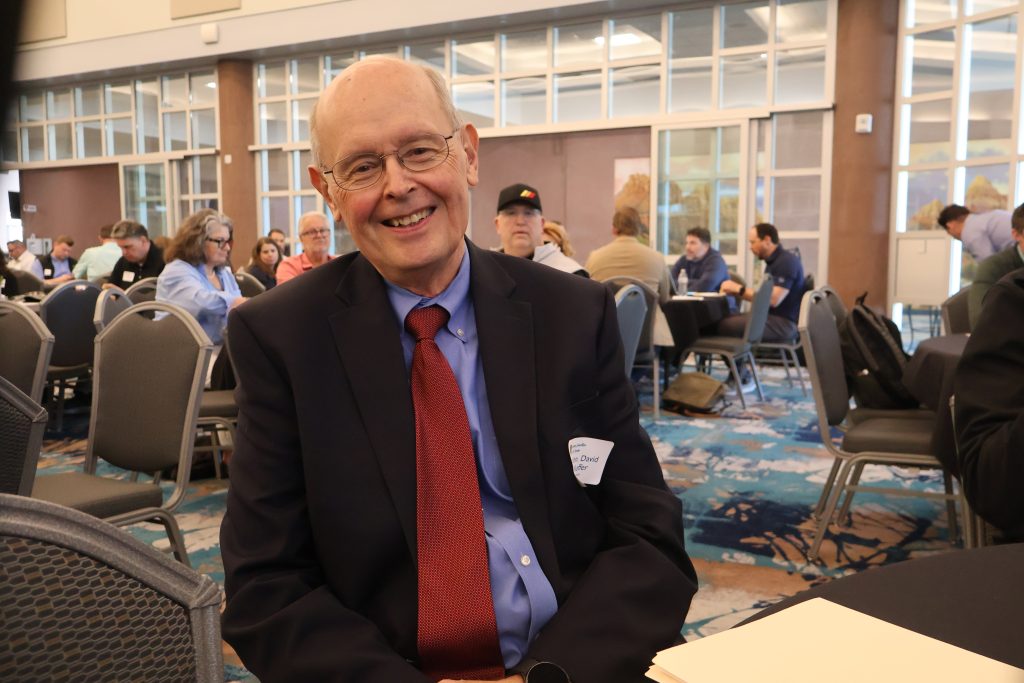
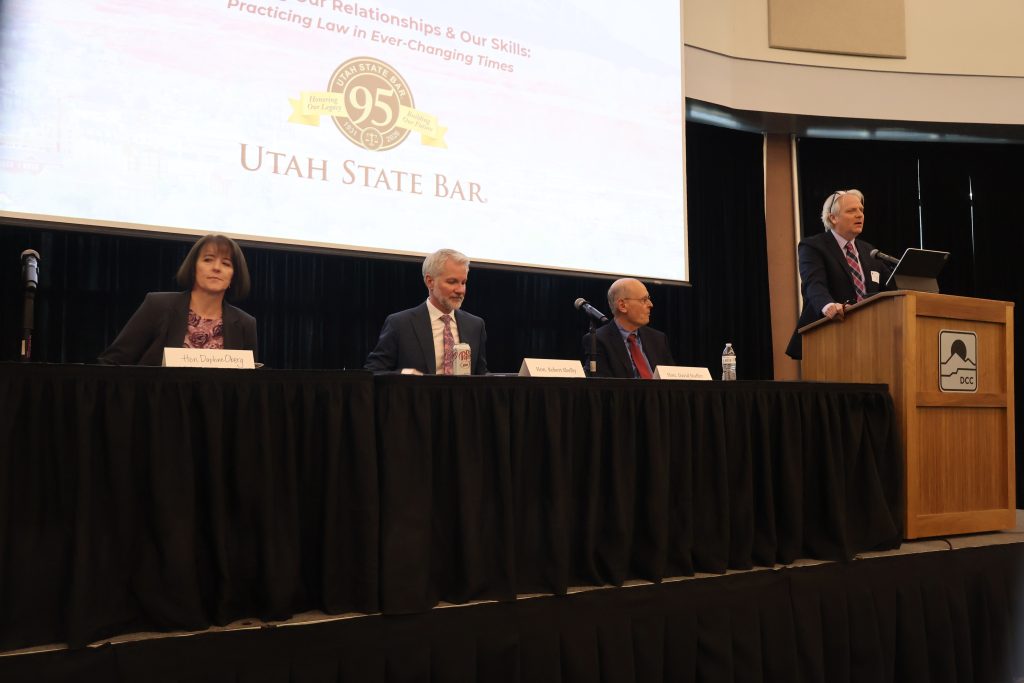
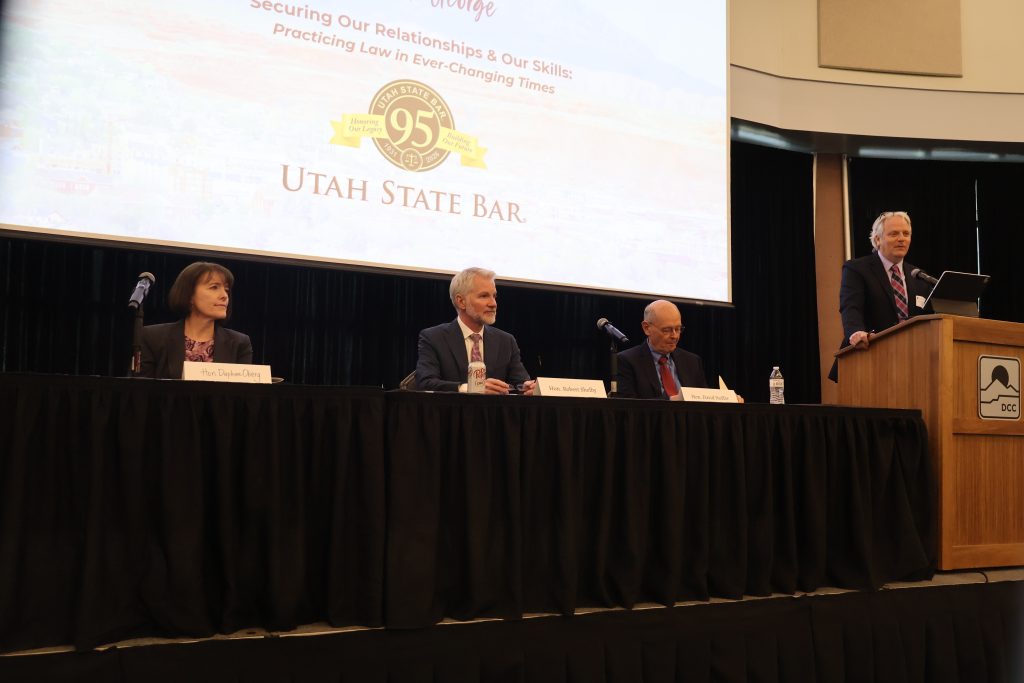
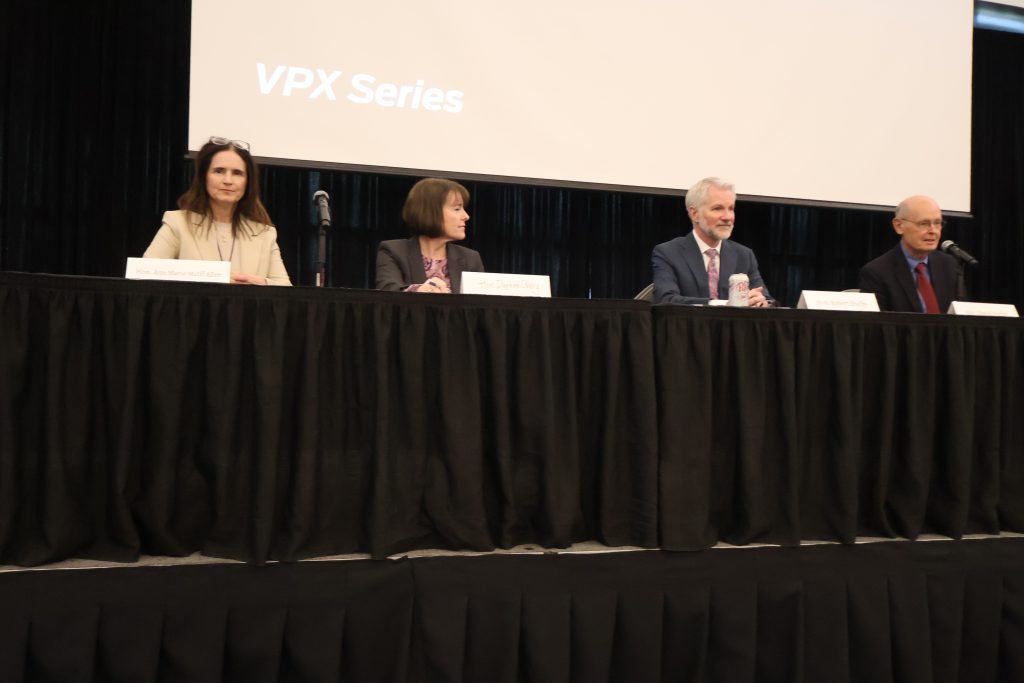
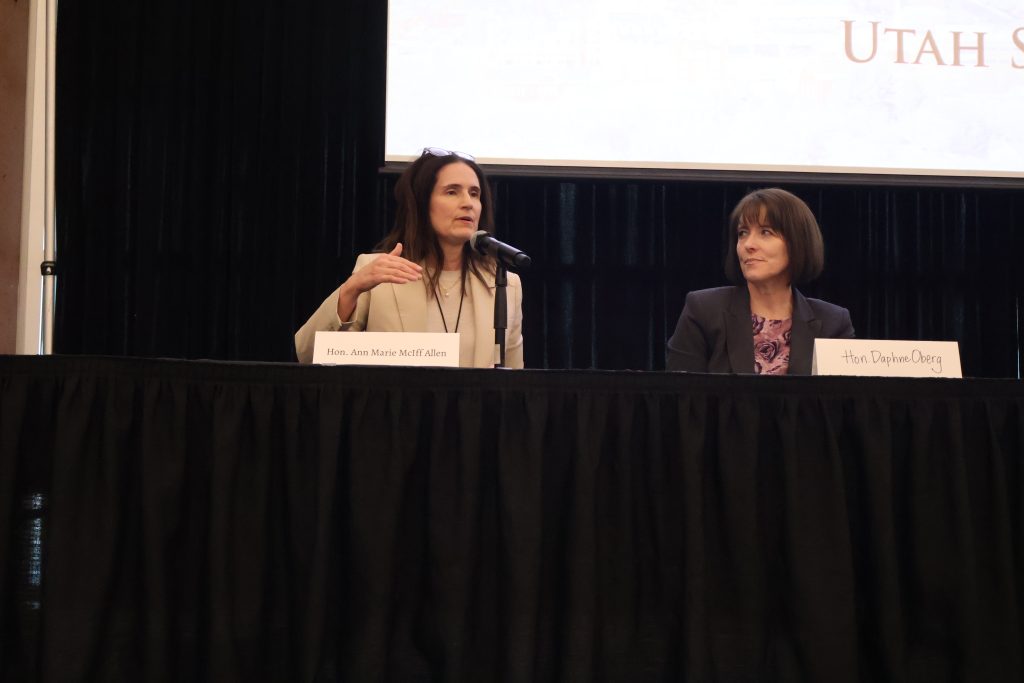
Following lunch, the convention turned to a federal court panel featuring several members of the United States District Court for the District of Utah. The discussion included Magistrate Judges Daphne Oberg and Annie McIff Allen, along with Judges David Nuffer, Jared C. Bennett Pead, and Robert Shelby.
The judges discussed the evolving relationship between the federal courts and practitioners, offering insights into courtroom expectations, procedural developments, and the ways attorneys can better serve their clients while maintaining professionalism and efficiency in federal practice.
The session provided a rare opportunity for attorneys to hear directly from the bench about trends in federal litigation and the importance of preparation, civility, and clarity in advocacy.
Afternoon Breakout Sessions
The afternoon concluded with a series of breakout sessions designed to provide practical skills and forward-looking insights for practitioners. Topics ranged from protecting sensitive information in the age of artificial intelligence to strengthening collaboration between lawyers and paralegals, as well as discussions on constitutional law and litigation practice tips for attorneys at different stages of their careers.
These sessions reflected the convention’s theme, equipping lawyers with the tools and knowledge needed to adapt to rapidly changing professional and technological landscapes.
Looking Ahead
While the formal convention programming ended mid-afternoon, the day continued with opportunities for service and community-building. Members of the Young Lawyers Division hosted training for the Wills for Heroes pro bono program, followed by a service event providing estate planning assistance to southern Utah first responders and public-school educators.
The first day of the convention balanced celebration with substance. As the Utah State Bar marks 95 years of service, the conversations in St. George made clear that the organization’s focus remains firmly on the future—strengthening the profession, expanding access to justice, and supporting attorneys across every corner of the state.
Day two promises additional programming, including discussions with members of the Utah Supreme Court and the Utah Court of Appeals, as the convention continues its exploration of how lawyers can thrive in an ever-changing legal landscape.

AI assisted with summarizing content for this blog.