
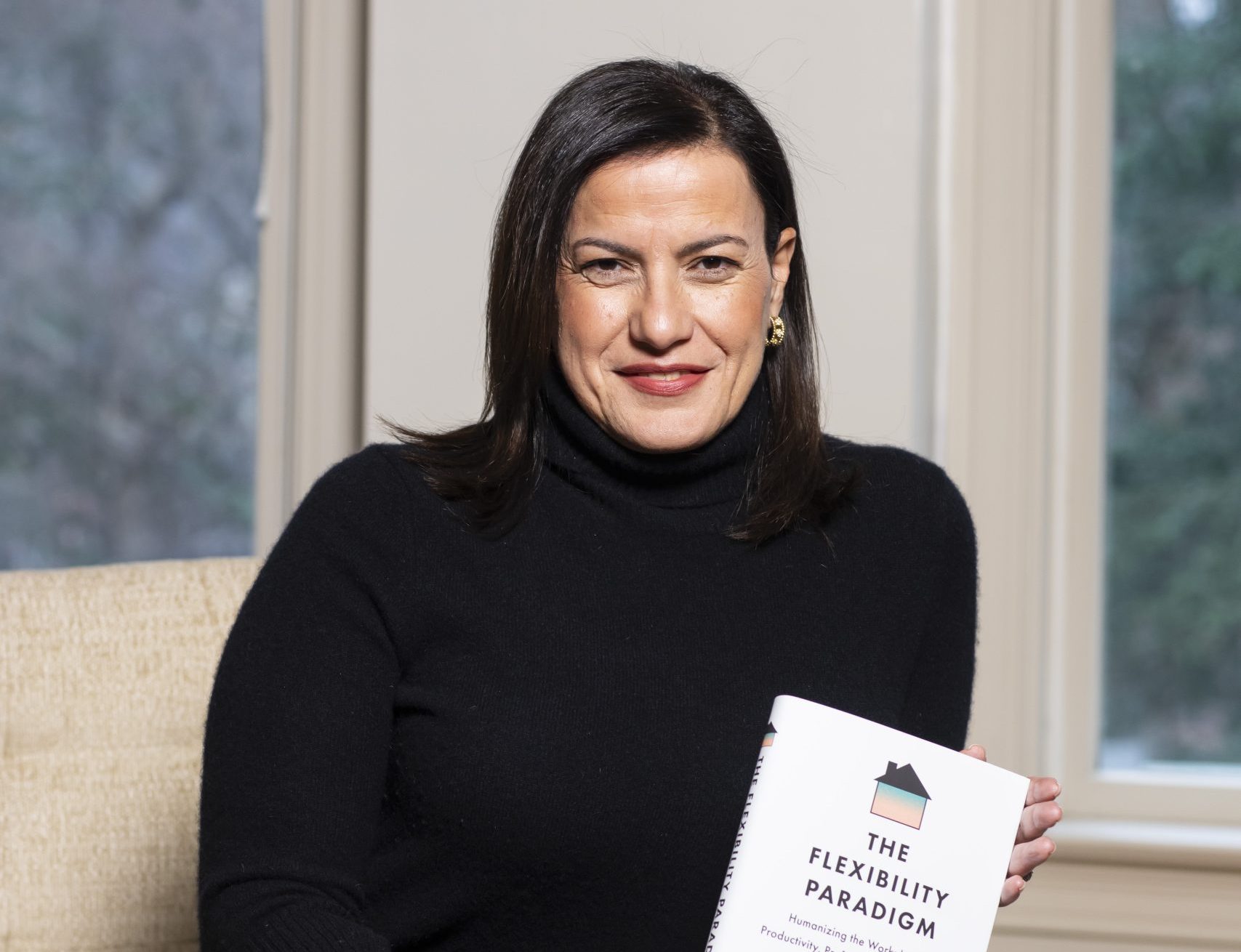
As part of this year’s Well-Being Week in Law, legal professionals gathered for a thoughtful and timely conversation led by Manar Morales, a nationally recognized leader on workplace culture, flexibility, diversity, and well-being in the legal profession. Morales, who serves as President and CEO of the Diversity and Flexibility Alliance, has spent years helping organizations rethink how professionals can thrive both personally and professionally.
The webinar focused on one of the most pressing challenges facing today’s legal professionals: how to sustain personal well-being in a culture that often rewards constant motion, high performance, and self-sacrifice.
Throughout the webinar, Morales emphasized that many professionals are operating on “autopilot,” moving from task to task without taking the time to reflect on how they are truly feeling. She explored how the fast pace of modern life can create a disconnect between our external productivity and our internal well-being.
“When individuals stop examining their emotional responses, motivations, and needs, burnout can quietly take hold,” she said.
RELATED: Well-Being Week in Law 2026 I May 4-8, 2026
A central theme of the virtual continuing legal education session was the importance of intentional pause.
Participants learned how stepping back from daily routines — even briefly — can create space for self-awareness and clarity. Rather than reacting automatically to stressors, legal professionals were encouraged to become more mindful of their habits, emotional triggers, and personal values. This practice of reflection is essential not only for mental health but also for making decisions that align with one’s authentic priorities and long-term goals, Morales said.
The CLE also acknowledged a difficult reality within the legal profession: many current workplace expectations and routines are simply not sustainable. Attorneys and professionals often feel pressure to excel in every direction at once—professionally, personally, and within their communities—without adequate space for rest and recovery. The webinar challenged attendees to rethink the assumption that constant productivity equals success.
RELATED: Well-Being Week Daily Schedule
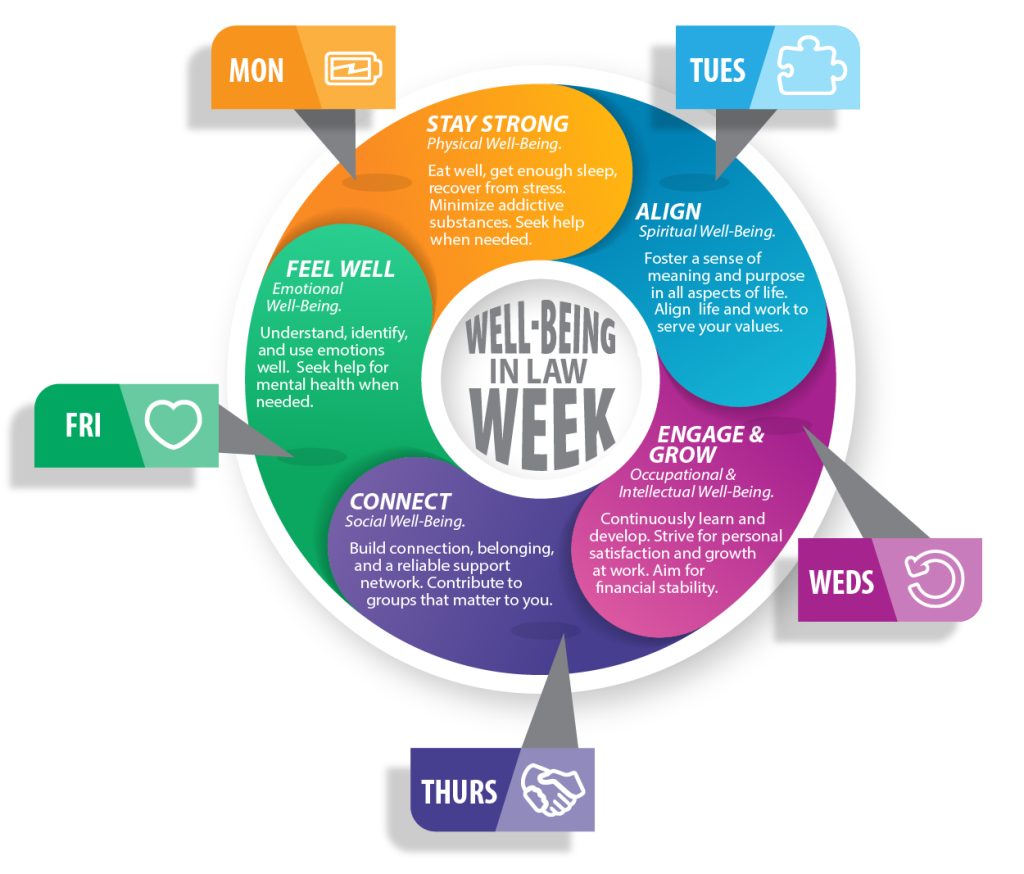
Burnout and recovery became another important focus of the session. Morales emphasized that healing from chronic stress is not immediate and that individuals should approach themselves with patience and compassion. Self-care was framed not as indulgence, but as a necessary and ongoing practice.
Practical reminders about tending to physical well-being during periods of stress, including staying hydrated, getting adequate rest, and paying attention to the body’s signals, were advised. While simple, these foundational practices were presented as meaningful steps toward recovery and resilience. The conversation reinforced that burnout cannot be solved overnight; it requires intentional care, support, and time.
FREE DOWNLOAD: Positive Emotions Worksheet
Equally important was the discussion around identity and alignment. Many professionals, particularly within the legal industry, juggle multiple roles simultaneously, such as attorney, parent, caregiver, partner, mentor, business leader, or community advocate. The webinar explored how difficult it can be to reconcile these identities when professional demands overshadow personal values or family life.
Rather than viewing well-being as separate from professional success, Morales advocated for a more holistic approach that recognizes people as whole individuals with interconnected personal and professional needs. Attendees were encouraged to create environments, both at work and at home, that support emotional health, meaningful relationships, and personal fulfillment alongside career achievement.
The conversation ultimately served as a reminder that well-being is not a luxury or secondary concern. It is foundational to sustainable leadership, effective advocacy, and healthy communities within the legal profession. Something that the Utah Supreme Court took seriously when it amended Utah Rule 1.01, which took effect nearly three years ago. Utah Courts specifically noted that the purpose of the amendment was educational and intended to reinforce the connection between lawyer well-being and professional competence. The amendment language reads:
“Lawyers should be aware that their mental, emotional, and physical well-being may impact their ability to represent clients and, as such, is an important aspect of maintaining competence to practice law and compliance with the standards of professionalism and civility.”
Utah R. Pro. Conduct 1.1 cmt. [9] (effective May 17, 2023).
As Well-Being Week in Law continues to grow as a national initiative, conversations like the CLE help shift the profession toward a healthier and more human-centered future. Morales’ leadership and the candid reflections shared during the webinar underscored a powerful message: success should not come at the expense of personal well-being.
For legal professionals navigating demanding careers and increasingly complex lives, the takeaway was clear—pause, reflect, reconnect, and permit yourself to prioritize your well-being with the same commitment you bring to serving others.
*AI was used to summarize the CLE transcript, but the entire blog was written by the Utah State Bar Communications Director, Jennifer Weaver.