How to Cope with Daylight Saving Time to Continue Good Lawyering

Daylight Saving Time (DST) marks a significant shift in our daily lives, often affecting our mood, sleep patterns, and overall well-being. While “springing forward” or “falling back” only alters the clock by an hour, the consequences for mental health and productivity can be more profound than expected. The impact of springing forward and losing an hour of sleep is associated with increased anxiety and stress, depression, strokes, and cardiovascular diseases, as well as injuries and accidents. One study looking at data from 1979 to 1988 found an increase in deaths due to suicide and substance abuse specifically after the spring transition.

Meanwhile, the fall transition may reduce hospital admissions due to increased sleep duration. Although the additional sleep is beneficial, the impact of less daylight comes with its own issues for individuals who struggle with depression, particularly Seasonal Affective Disorder. It’s important to monitor how you and your body respond to these changes in time and identify the most effective ways to cope.

The Impact on Your Mental Health

Daylight Saving Time disrupts our circadian rhythms, the internal clocks that regulate sleep-wake cycles, hormone release, and overall energy levels. Even small shifts in time can disturb these rhythms, leading to issues such as:

  • Sleep Deprivation: The sudden change in the clock can interfere with sleep patterns, leading to fatigue, irritability, and decreased cognitive function. Sleep disruptions can worsen anxiety and depression.
  • Seasonal Affective Disorder (SAD): The “fall back” shift that happens in autumn reduces the amount of daylight in the evening. Less exposure to sunlight can trigger or exacerbate SAD, a type of depression linked to seasonal changes.
  • Mood Swings: Lack of sunlight exposure and disrupted sleep patterns can negatively impact serotonin levels, a neurotransmitter that regulates mood. This can lead to mood swings, irritability, and emotional instability.
  • Stress and Anxiety: The shift in time can lead to feelings of stress as individuals adjust their routines. When combined with the pressure to adapt quickly to new schedules, anxiety may increase.
  • Productivity and Concentration Issues: Sleep deprivation and emotional changes can result in difficulty concentrating, lower productivity at work, and feelings of burnout.

Understanding these impacts allows us to better prepare for the transition that comes with Daylight Saving Time.

How to Cope with Daylight Saving

1. Gradually Adjust Your Sleep Schedule

One of the best ways to cope with Daylight Saving Time is to prepare your body in advance. A week or two before the time change, start going to bed 10-15 minutes earlier (for “spring forward”) or later (for “fall back”) each night and adjust your morning alarm accordingly. This gradual adjustment will help ease your internal clock into the new schedule, minimizing the shock of the sudden change.

Why It Helps:

Gradual changes allow your circadian rhythm to adapt slowly, reducing the chances of sleep disruption and its associated mental health consequences.

2. Increase Natural Light Exposure

Daylight exposure is vital for regulating your internal body clock. After the clock shifts, especially in the fall, prioritize getting natural light in the morning. Take a short walk outside, open blinds, or sit by a window to let the sunlight in.

Why It Helps:

Sunlight helps regulate melatonin production, the hormone responsible for sleep. More morning light exposure helps reset your circadian rhythm and reduces the risk of SAD.

3. Maintain a Consistent Routine

Sticking to a regular routine helps your body adjust to the change in time more effectively. Aim to eat meals, exercise, and go to bed at the same time each day, even after the time shift.

Why It Helps:

Consistency signals to your body when to expect activity and rest, making it easier to adjust to the new schedule and reducing feelings of fatigue and stress.

4. Prioritize Sleep Hygiene

Good sleep hygiene is critical, especially during the transition to Daylight Saving Time. Create a calming bedtime routine that includes activities such as reading, meditating, or taking a warm bath. Avoid caffeine, alcohol, and screens (blue light) at least an hour before bed.

Why It Helps:

Improved sleep hygiene can mitigate the negative effects of sleep disruptions, helping you fall asleep faster and experience deeper, more restorative sleep.

5. Take Short Naps (But Be Careful)

If you find yourself feeling unusually tired after the time change, a short nap can help recharge your energy. However, try to keep naps under 20 minutes and avoid napping too late in the day, as this can interfere with your ability to fall asleep at night.

Why It Helps:

Power naps can boost alertness and cognitive function without significantly disrupting your sleep-wake cycle.

6. Exercise Regularly

Physical activity is a powerful way to manage the mental and physical impacts of Daylight Saving Time. Try to engage in at least 30 minutes of moderate exercise each day, preferably outdoors to combine the benefits of movement with sunlight exposure.

Why It Helps:

Exercise releases endorphins, which improve mood, alleviate stress, and help regulate your circadian rhythm by promoting better sleep.

7. Monitor Your Diet

What you eat can affect your energy levels and mood, especially during the transition to Daylight Saving Time. Avoid heavy, fatty foods that can make you feel sluggish, and focus on a diet rich in whole grains, fruits, vegetables, and lean proteins. Additionally, limit your intake of caffeine and sugar, especially in the late afternoon.

Why It Helps:

A balanced diet supports stable blood sugar levels, which helps maintain energy and mood stability throughout the day.

8. Use Light Therapy (If Necessary)

For those who struggle with Seasonal Affective Disorder or feel more lethargic after the fall time change, light therapy can be a useful tool. Light therapy boxes mimic natural sunlight and can be used in the morning to boost mood and energy levels.

Why It Helps:

Light therapy helps regulate melatonin and serotonin levels, improving mood and sleep patterns, especially during darker winter months.

9. Stay Socially Connected

Daylight Saving Time can bring about feelings of isolation or loneliness, especially if you’re struggling with low energy or mood changes. Make an effort to stay connected with friends, family, or colleagues, even if it’s through virtual means. Social support can help alleviate feelings of stress and anxiety during the transition.

Why It Helps:

Social connections boost mental well-being and provide emotional support, which is essential during times of adjustment and change.

10. Be Patient and Gentle with Yourself

Adjusting to Daylight Saving Time takes time. If you’re feeling more tired or irritable than usual, remember that these feelings are temporary and part of the adjustment process. Be kind to yourself, practice self-care, and don’t hesitate to seek professional help if your mental health begins to suffer.

Why It Helps:

Self-compassion can reduce the pressure to immediately “bounce back,” allowing you to cope with the transition more effectively and without additional stress.

Daylight Saving Time, while seemingly a small change, can significantly impact your mental health and overall well-being. By understanding the ways it affects your body and mind and applying these coping strategies, you can make the transition smoother and protect your mental health. Whether it’s adjusting your sleep schedule, increasing your exposure to natural light, or practicing good sleep hygiene, these small but impactful changes can help you maintain balance and well-being during the time shift. If you find that the transition is taking a toll on your mental health, remember that seeking help from a therapist or counselor is a valuable step toward managing the effects of DST.

REPRINTED WITH CONSENT FROM TAVA HEALTH.
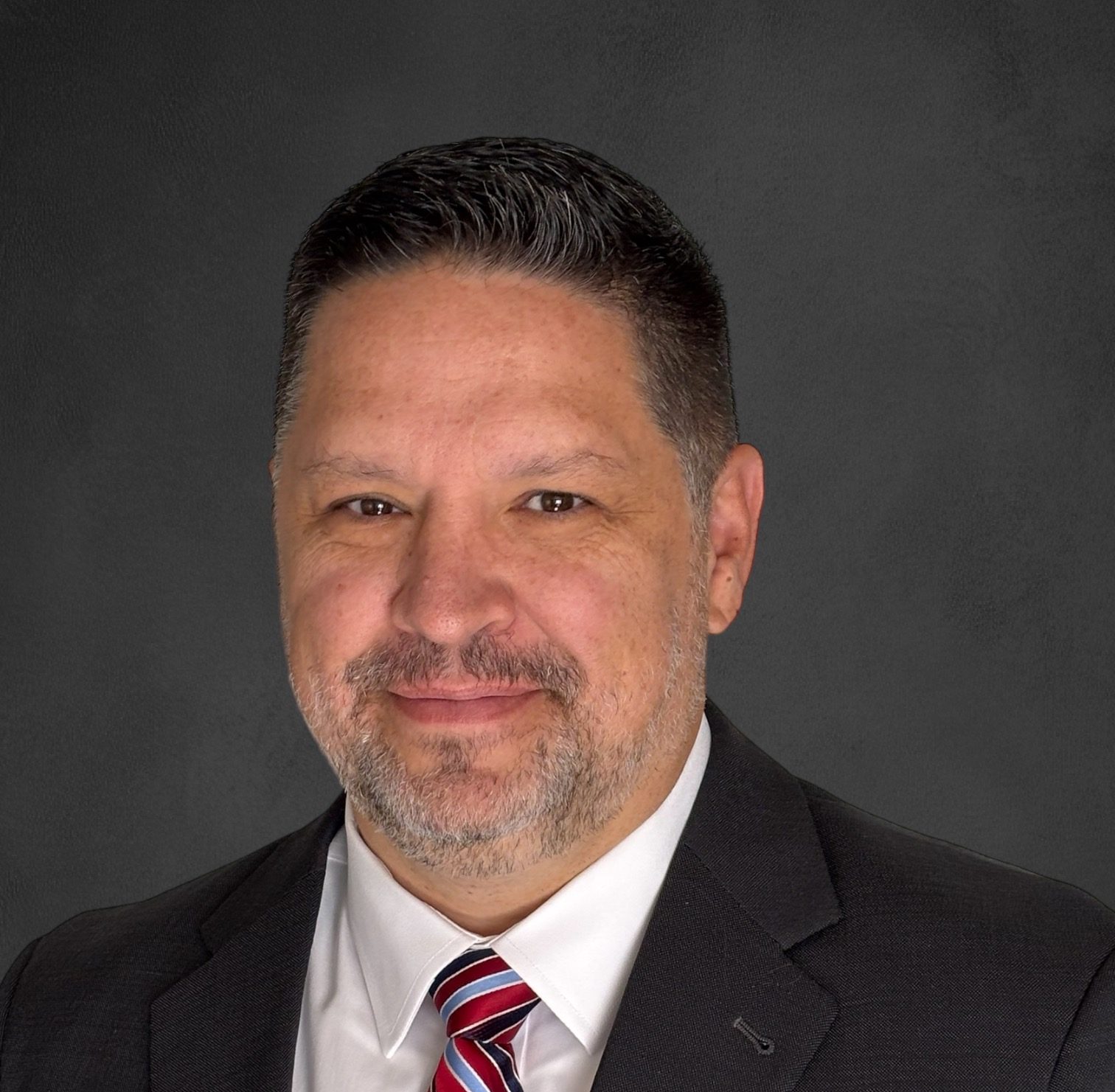
Gov. Spencer Cox appoints Judge Ryan Evershed to the Second District Juvenile Court

PRESS RELEASE

SALT LAKE CITY (Oct. 25, 2024) – Utah Gov. Spencer J. Cox has appointed Judge Ryan Evershed to the Second District Juvenile Court, filling a vacancy created by Judge Sipes’ retirement. Judicial appointments are subject to confirmation by the Utah Senate.

“Judge Evershed’s expertise in the legal field, specifically in the juvenile justice system, will serve the people of Utah well,” Gov. Cox said. “I am confident he will be an incredible asset to the Second Juvenile District Court.”

Judge Ryan B. Evershed was appointed to the Eighth District Juvenile Court in August 2013 by Gov. Gary R. Herbert.  Before becoming a judge, Judge Evershed gained valuable experience in Juvenile Court where he represented the Division of Child and Family Services in court cases involving child abuse, neglect, and dependency. In 2008, Judge Evershed opened his own practice, which specialized in juvenile, family and criminal law. He has served as a judge on the Board of Juvenile Court Judges and has been on the Utah Judicial Council for the last 6.5 years.

“I am deeply humbled and grateful to be given this opportunity to work in the Juvenile Court in the Second District,” Judge Evershed said. “I have worked in Juvenile Court in several roles for the past eighteen years.  It has been the greatest honor of my professional life to be a Juvenile Court Judge and help children and families in their most challenging times.  I have loved working with the great people of the Uintah Basin, and if I am fortunate enough to be confirmed by the Senate, I will diligently work to do my best for the people in the Second District.” 

Evershed received his bachelor’s degree from the University of Utah and a J.D. from the University of Toledo. 

###

Contact:
Rob Carroll
Office of the Governor
(801) 243-2290, rcarroll@utah.gov 

Gov. Spencer Cox appoints Kasey Wright to the Fourth District Court

PRESS RELEASE

SALT LAKE CITY (Oct. 24, 2024) – Utah Gov. Spencer J. Cox has appointed Kasey Wright to the Fourth District Court, filling a vacancy created by Judge James Brady’s retirement. Judicial appointments are subject to confirmation by the Utah Senate.

“With his extensive experience and expertise, Mr. Wright will serve the people of Utah well in this position,” said Gov. Cox. “I have no doubt he will be an outstanding asset to the Fourth District Court.”

Kasey Wright is a justice-focused attorney with extensive legal experience, representing and counseling clients in a wide range of legal disciplines. For nearly 20 years, Wright worked for the firm of Hansen Wright where he specialized in civil litigation and municipal representation. During the last 6 years, Wright has been honored to represent Central Valley Medical Center, Nephi City, Juab School District, and Jackson Infrastructure in Juab County.

“I am grateful for and humbled by this appointment. It has been an honor for me to work with the great clients, lawyers, judges, and court staff in the Fourth District for more than 20 years. I am particularly appreciative of family, friends, mentors and colleagues who have supported me throughout my career,” said Wright. “Should I be fortunate enough to be confirmed, I look forward to serving our community by exercising fidelity to the law and respect for the judicial system.”

Wright received his bachelor’s degree from Brigham Young University and a J.D. from the J. Reuben Clark Law School at Brigham Young University. 

Wills for Heroes Event at the Utah Law & Justice Center

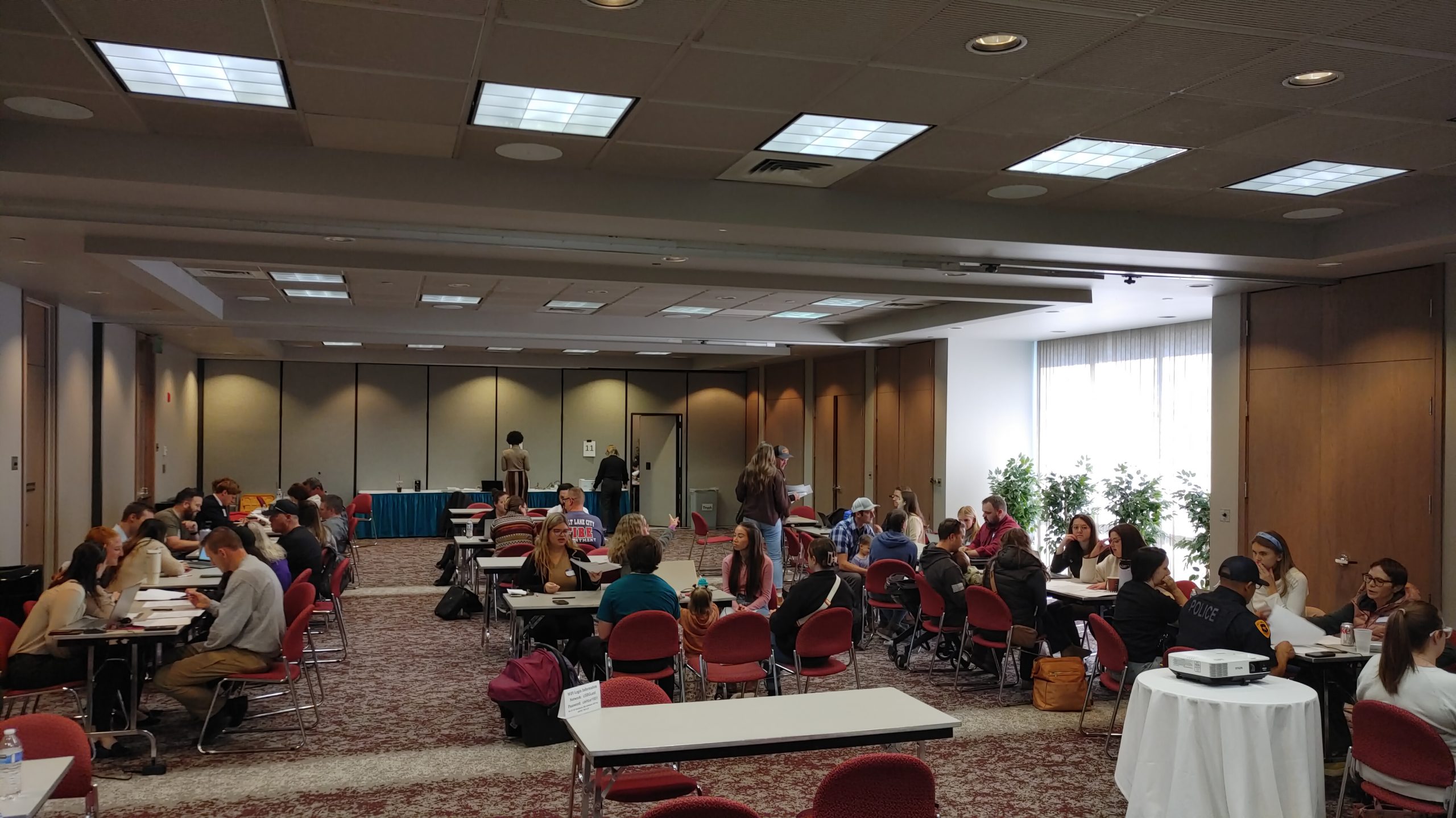
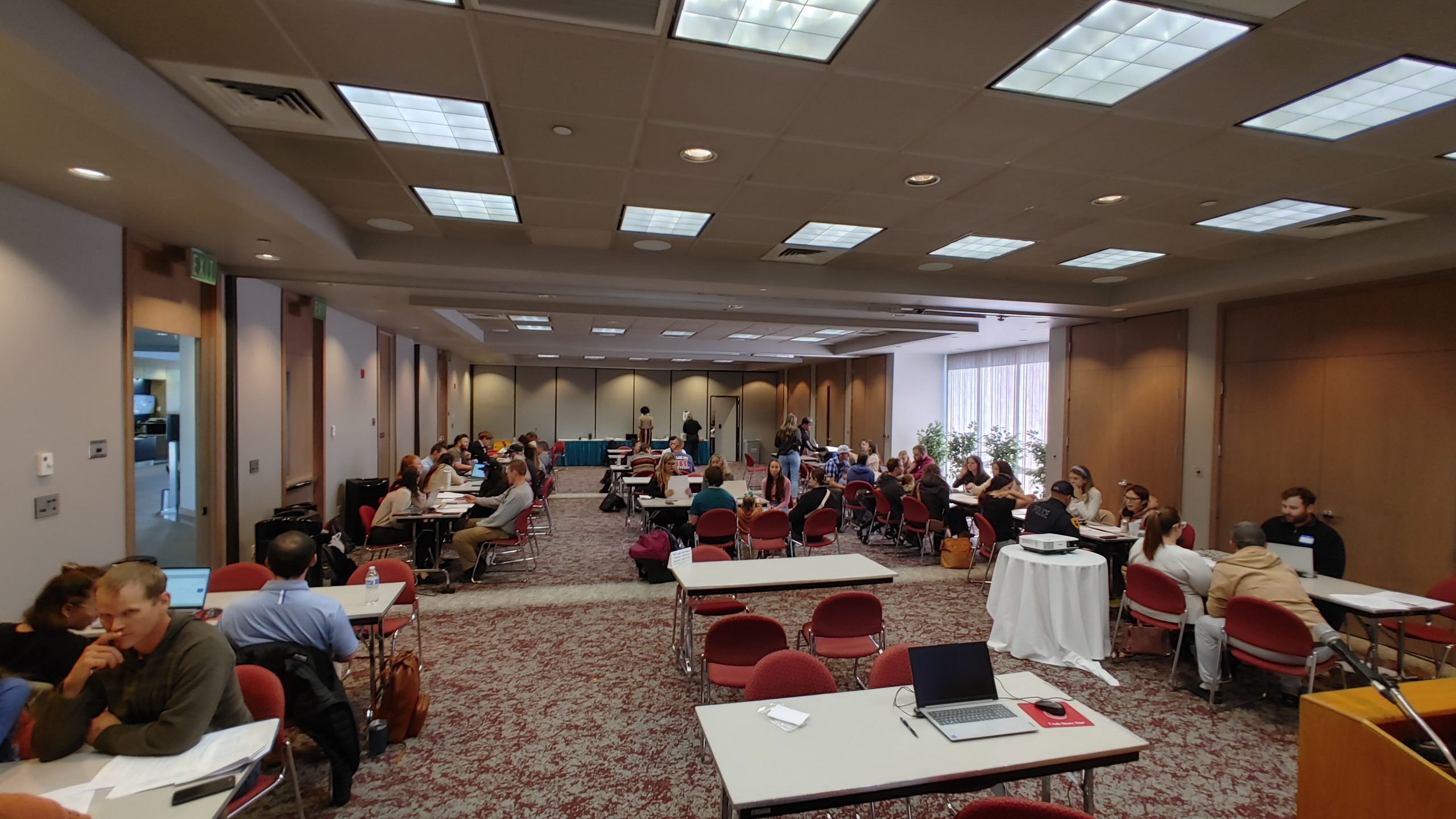
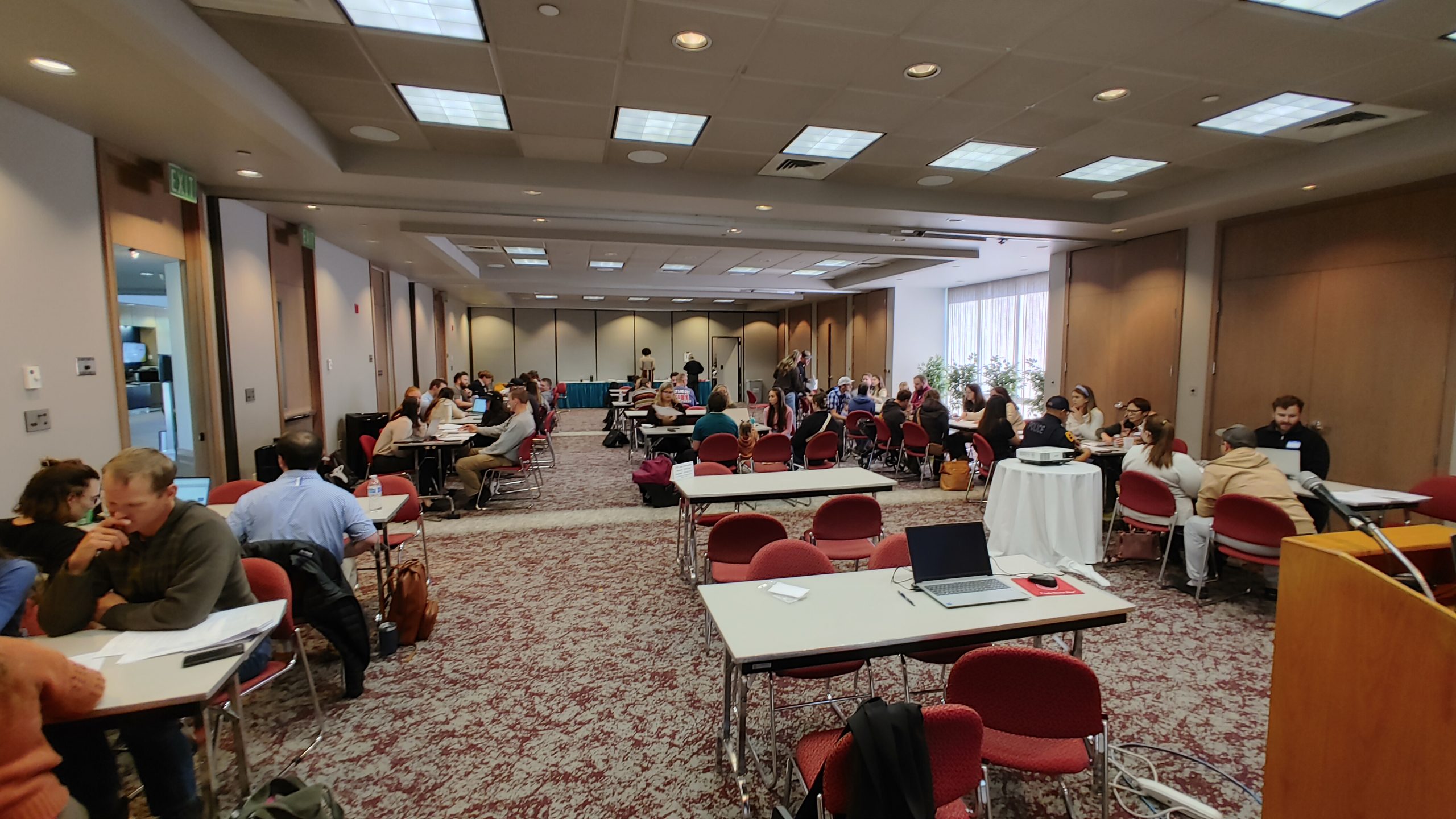
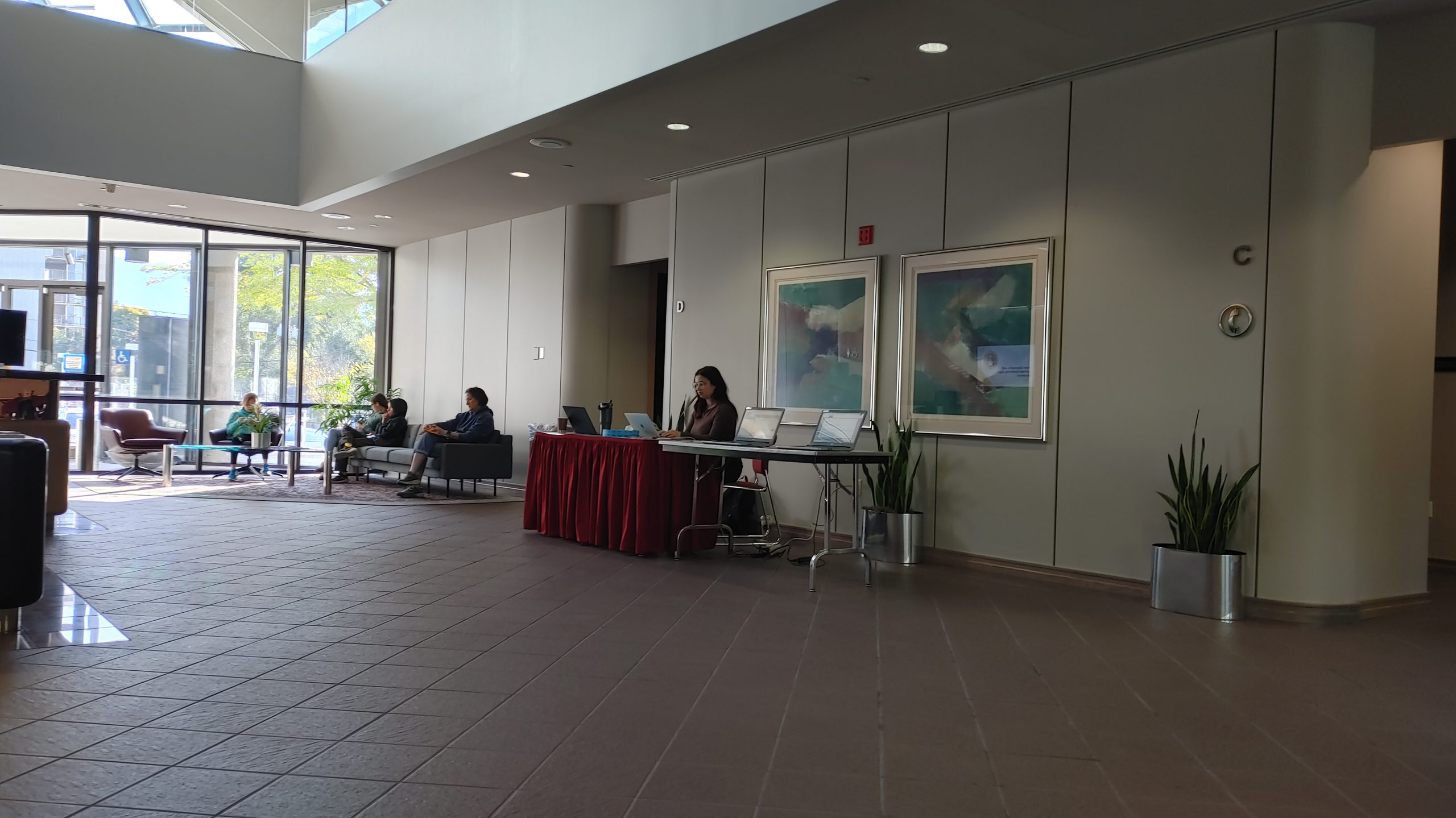
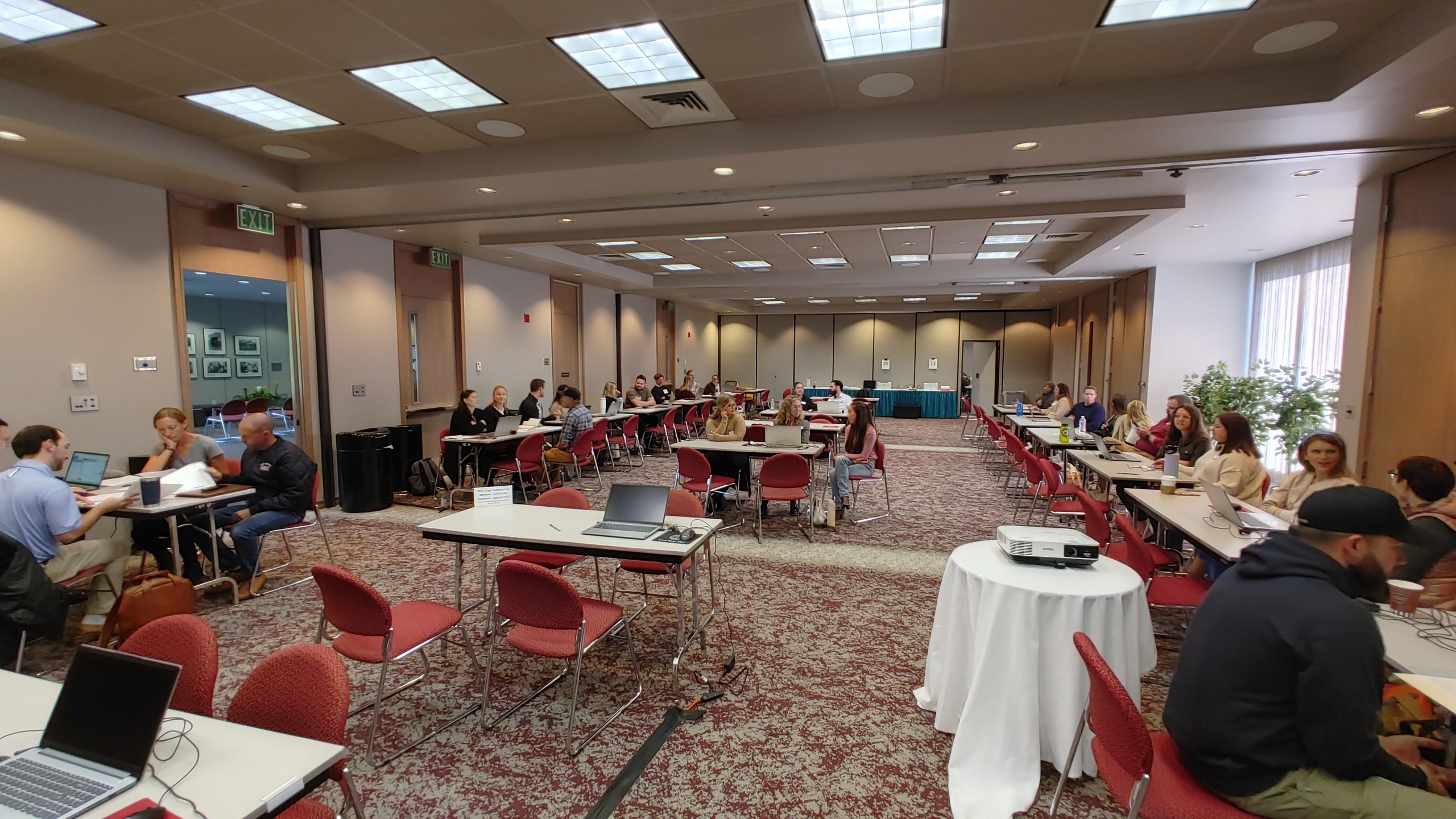
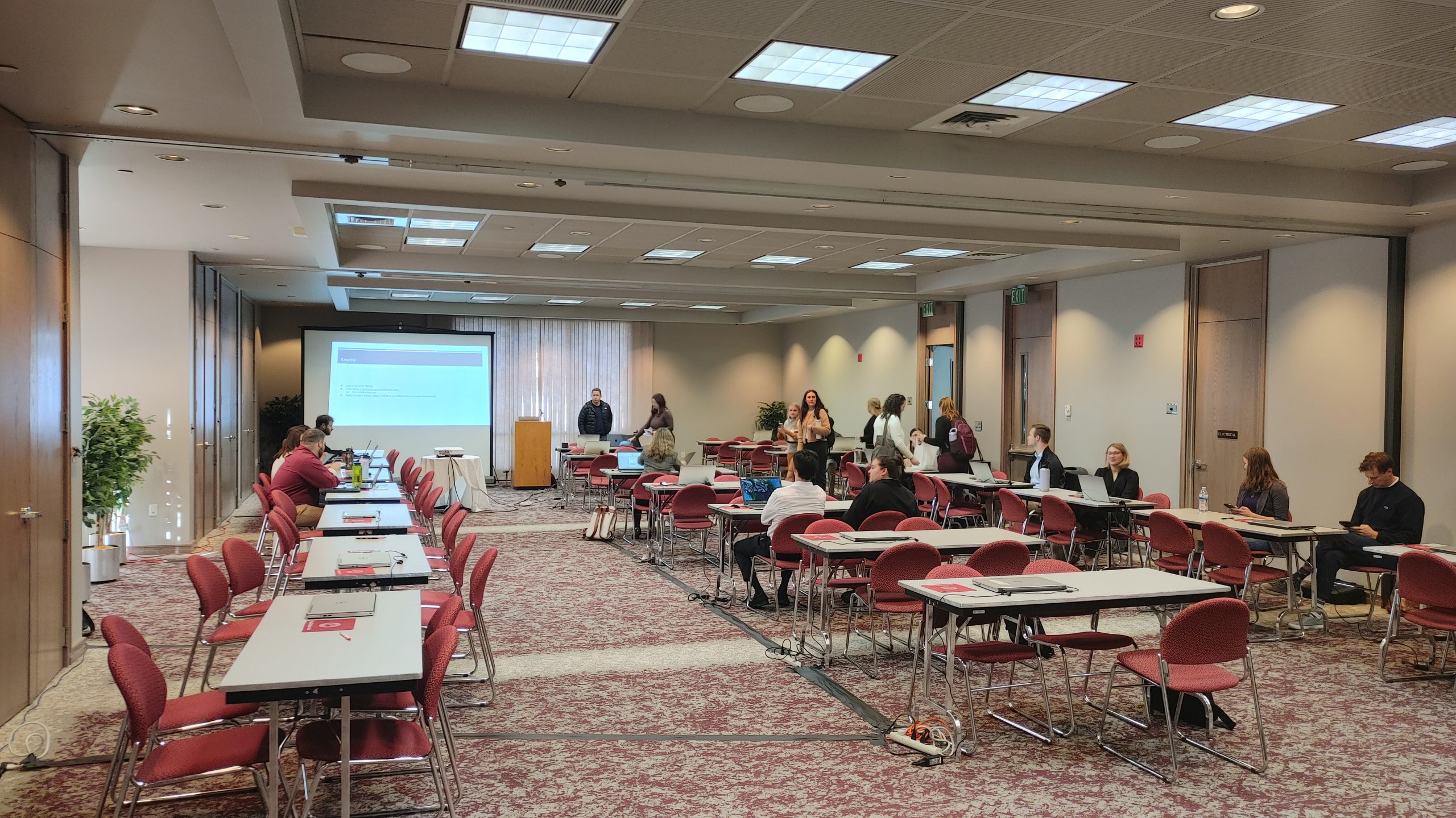
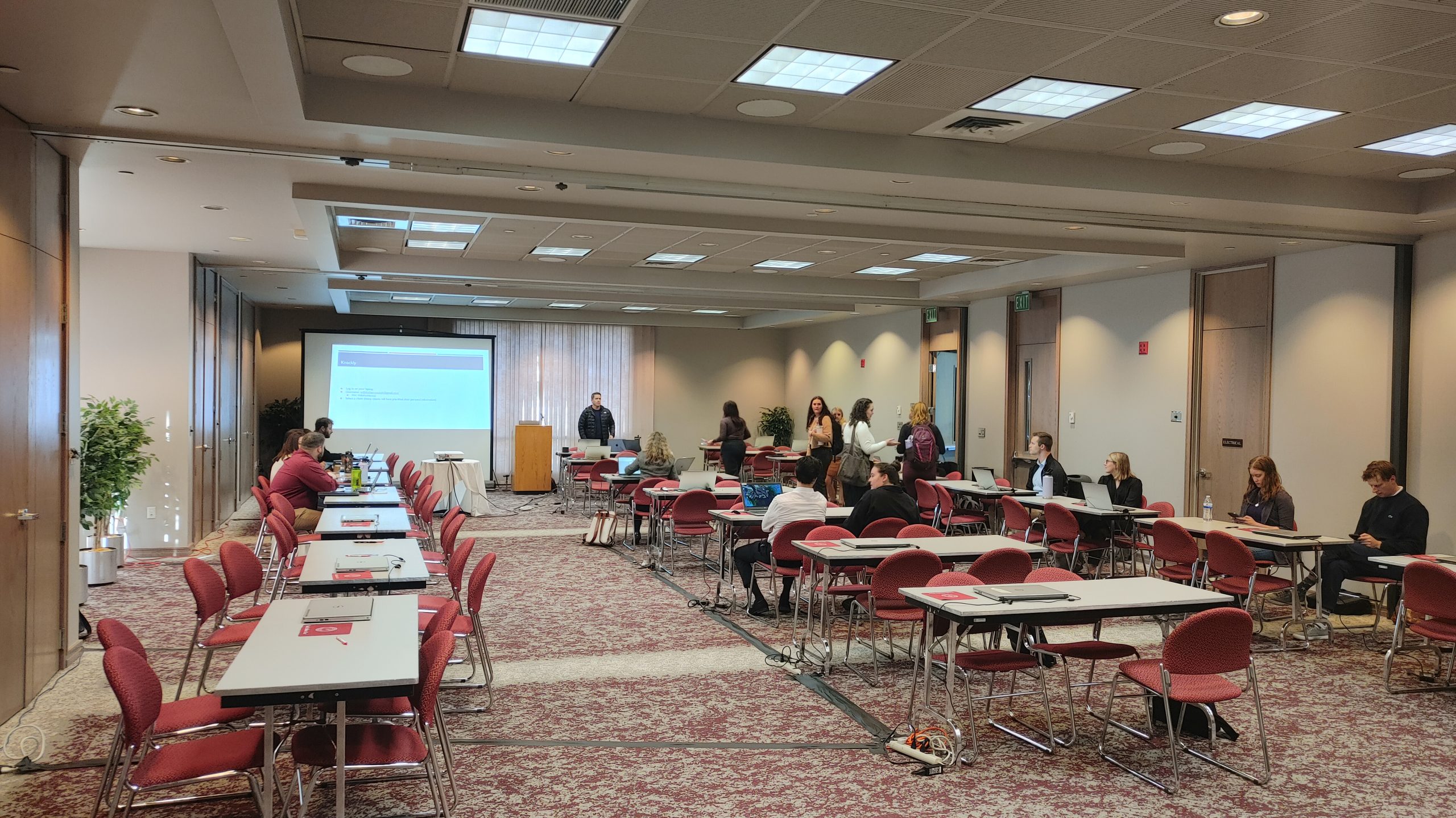
On Saturday, October 19th, the Utah State Bar’s Young Lawyers Division, in partnership with the Salt Lake City Fire and Police Departments, hosted a remarkable “Wills for Heroes” event at the Utah Law & Justice Center. This initiative provided over 80 emergency responders and their families with essential estate planning services, all at no cost. The event aimed to show appreciation for the brave men and women who dedicate their lives to protecting our community.

With the support of volunteer lawyers from the Young Lawyers Division, first responders received personalized assistance in creating critical documents, including Last Will and Testaments, Powers of Attorney, and Utah Advanced Health Care Directives. These services help ensure that the emergency personnel who risk their lives daily have their legal affairs in order, offering peace of mind for them and their loved ones.

The Wills for Heroes program has been an ongoing success, continually supported by the Utah State Bar. The event on October 19th was no exception, demonstrating the unwavering commitment of Utah’s legal community to give back to those who serve. Volunteer attorneys guided responders through each step of the estate planning process, ensuring that their wishes are clearly outlined and that their families will be well cared for in the event of an emergency or unforeseen circumstance.

One of the significant takeaways from this event was the emphasis on what participants should do next with their completed estate planning documents. According to guidance provided during the event, it’s crucial for emergency responders to store their original documents in a secure location, such as a fireproof safe or a bank deposit box. Ensuring that designated representatives and family members know the location of these documents is equally important to ensure they are accessible when needed.

For responders who created a Last Will and Testament, regular reviews and updates are encouraged, especially after major life events like the birth of a child or changes in family circumstances. Similarly, the importance of sharing copies of Powers of Attorney and Advanced Health Care Directives with the designated agents and primary healthcare providers was underscored, helping to ensure swift action if these documents are ever required.

This event once again highlighted the strong sense of community between the legal profession and first responders in Utah. The volunteers who took part expressed their pride in being able to offer these vital services to those who protect and serve.

The Utah State Bar’s Young Lawyer Division continues to offer programs like Wills for Heroes, emphasizing their commitment to giving back to the community and supporting Utah’s heroes.

For more information on future events or how to participate as a volunteer, visit the Young Lawyers Division website.

Pleasant Grove Justice Court Vacancy Extended

PRESS RELEASE

Pleasant Grove, Utah—The deadline for applications for a part-time justice court judge position in Pleasant Grove has been extended. The position will replace Judge Randy Birch who resigned in March. 

To be considered for a justice court judgeship in Utah County, candidates must be at least 25 years of age, a citizen of the United States, a Utah resident for at least three years, and have a degree from a law school that would make one eligible to apply for admission to a bar in any state in the United States. In addition, applicants must be a resident of Utah County, an adjacent county, or the judicial district in which the justice court is located either upon appointment or within a reasonable time following appointment.  

Information on judicial retention and performance evaluation is posted on the Utah State Court’s website at www.utcourts.gov under employment opportunities. An application for judicial office form must be completed and is available on the court’s website (https://legacy.utcourts.gov/admin/jobs). The salary range for the position is $46,417 to $59,678 per year. For additional information about working for Pleasant Grove, email Scott Darrington at sdarrington@pgcity.org

The deadline for applications is Wednesday, November 6, 2024, at 5 p.m. and should be sent to the attention of Jim Peters, Administrative Office of the Courts, P.O. Box 140241, Salt Lake City, UT, 84114-0241. Applications received after the deadline will not be accepted. For questions about the justice courts or the process for filling this position, email Jim Peters, Justice Court Administrator, at jamesp@utcourts.gov.  

Utah law requires the Judicial Nominating Commission to submit three to five nominees to the mayor of Pleasant Grove, Guy Fugal, within 45 days of its first meeting. Mayor Fugal will then have 30 days in which to select a finalist. His selection must then be ratified by the Pleasant Grove City Council and certified by the Utah Judicial Council.

Nominees announced for Eighth District Court vacancy

PRESS RELEASE

SALT LAKE CITY – The Eighth District Judicial Nominating Commission has selected nominees for a vacancy on the Eighth District Court. The vacancy results from the retirement of Judge Clark A. McClellan on Dec. 31, 2024.

The nominees for the vacancy are:

·       Cameron Beech, Associate/Partner, Campbell Williams Beech & Hall, Hearing and Variance Officer, Vernal City and Town of Dutch John;

·       Sean Brian, Deputy County Attorney, Weber County Attorney’s Office;

·       Jarell Dillman, Attorney, Uintah County Attorney’s Office;

·       Joseph Stewart, Assistant Attorney General, Utah Attorney General’s Office;

·       Jaymon Thomas, County Attorney, Uintah County Attorney’s Office. 

Written comments can be submitted to the Eighth District Judicial Nominating Commission at judicialvacancies@utah.gov or Commission on Criminal and Juvenile Justice, P.O. Box 142330, Salt Lake City, UT 84114-2330. The deadline for written comments is noon Oct. 21, 2024. The Nominating Commission may request further information or conduct an investigation of the nominees after reviewing public comments. After the public comment period, the names will be sent to Gov. Spencer J. Cox, who will have 30 days to make an appointment. Gov. Cox’s appointee is subject to confirmation by the Utah Senate.

###

Contact:
Robert Carroll
Office of the Governor
(801) 243-2290, rcarroll@utah.gov 


Business Insurance Risks Every Law Firm Should Understand

When you hear that an attorney is “hanging their shingle” you think of a lawyer starting a new practice on their own or with a partner or small group of attorneys. Besides providing professional services, the shingle represents the physical location a traditional law firm operates in and that clients come to visit. Let’s go over the basics of Business Insurance terms relevant to your new practice:

Whether your firm rents space as a building tenant or you own your own building, your business, like any other brick-and-mortar entity, faces exposure from having a physical presence and interacting with the public. Commercial General Liability (CGL) is a standalone coverage option you might consider which is similar to, but a bit more robust than the liability portion of a Business Owner’s Policy (BOP). Your BOP would provide very broad coverage for your firm’s physical location, for bodily injury, damage to rented property, or even libel or slander. The most common limits for CGL insurance are $1m/$2m and nearly all landlords and mortgage lenders (and many clients) require the business owner or renter to have $1m or more in CGL insurance.

Protecting your building or office space with just the property portion of a BOP would make sense for building owners, but as a law firm, you may also want to consider to what degree your computers, office equipment, furniture, and fixtures should be insured. You may include those items under the property section of a BOP policy, or in a separate coverage called Business Personal Property (BPP).

Another consideration (and this is important to lawyers) for your firm is Business Interruption Coverage, which as a portion of your BOP policy, would cover and pay for expenses and lost income when your physical location has been damaged or destroyed by a covered event.

Now let’s consider the coverages for staff, you, and everyone else at your law firm. The most important to consider is Worker’s Compensation. Thirty-three states require by law that any business with 1 or more (W2 or 1099, part-time or full-time) staff carry workers’ compensation insurance. Besides WA, WY, ND, VI and OH, which are “monopolistic states” (you must buy work comp from their state fund only) ALPS can quickly quote any law firm’s work comp insurance in all the other states we operate in. 

One small but important detail is that monopolistic state funds typically don’t provide “Stop Gap coverage” or the employer’s liability portion of the workers’ comp insurance. You may have a client or government agency you engage with that requires your CGL or BOP policy to add “Stop Gap” in a monopolistic state. Lawyers and law firm staff are a “preferred class” in workers’ compensation (as lawyers and law firm staff statistically file fewer Workers’ Comp claims) so while you should get it, or in many cases are required to by law, this insurance is not expensive compared to other industries.

Another important risk to a small law firm regarding all staff and lawyers included is the handling and mismanagement of monetary funds. If a law firm handles trusts or large estates, even money transfers in real estate closings, employee dishonesty (Crime) and wire fraud (Cyber liability) are more important now than ever. Other insurance policies specifically exclude these sensitive and often very costly losses, so having a Cyber Liability Policy with its own stand-alone limits of a minimum of $100,000 should be considered by all solo and small firms. When a law firm has a number of attorneys or staff that also handle funds, a crime policy is likely necessary with a growing firm. We typically see firms of 3-5 or more attorneys and up to 10+ total staff requesting a Crime Policy, but even a solo firm may have the need.

Not only is the firm at risk within its four walls when staff steal or lose firm or client funds, but a law firm could also be liable for travel around your office location when staff or an attorney are driving their own car for meeting clients or running to court or the post office and become liable in an accident. Most small law firms don’t have the firm itself own a designated car, so hired and non-owned auto endorsed on a BOP policy is also very important to lawyers on the go. If your firm owns any vehicle, just like personal auto insurance, your firm will need to purchase Commercial Auto Insurance, which we can provide for those small number of firms who have title to a company vehicle.

Business Insurance can seem endless with all these different coverage types and options, but we typically start with a BOP and Workers’ Compensation quote and then help you determine what else is necessary to fully protect your reputation, your assets, and the variety of liability your law firm is exposed to. Seven out of ten ALPS customers love the idea of a SINGLE SOLUTION for their law firm. If you’re interested in speaking with ALPS about coverage options for your law firm, you can start a quote or schedule a consultation today.

___________________

Authored by: Kurt Whitmire, Director of Commercial Lines

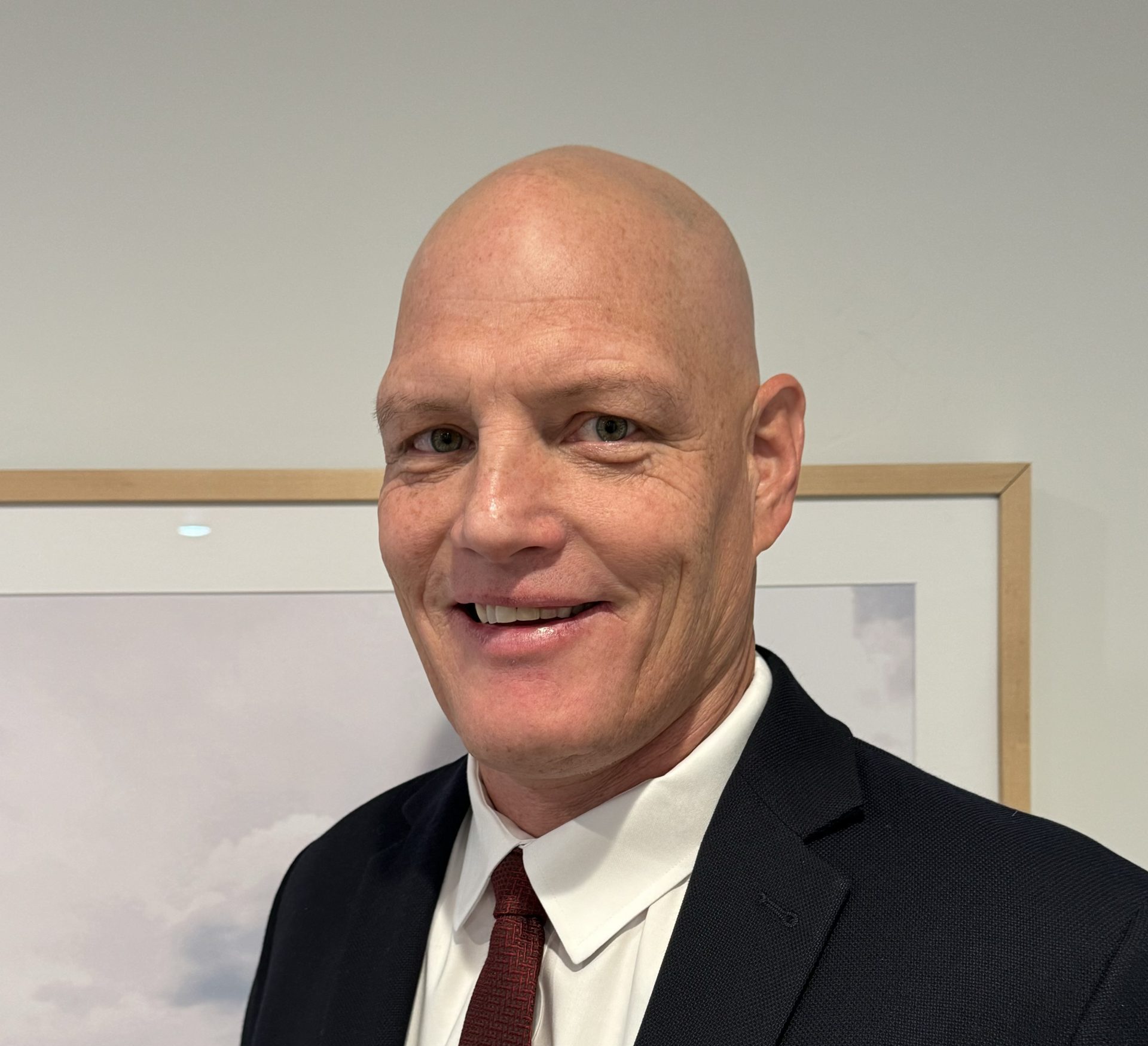
ALPS Director of Commercial Lines Kurt WhitmoreComing to ALPS with an extensive business background, Kurt brings a unique perspective on liability insurance to his role in business development. Having owned his own business Kurt understands what decision makers value. While liability insurance isn’t top of mind for every law firm on a daily basis, choosing the right carrier is certainly an important decision to make when the time is right. As a business owner, Kurt was working with partners that he knew would take care of his business when he needed them most. He understands that the firms he works with want the best value for their hard-earned dollars and the peace of mind knowing that the firm can always rely on their partners. This relationship is often sold to firms, but it is not always delivered. Kurt’s role at ALPS is to be a conduit between law firms and ALPS’ staff of underwriters, claims attorneys and others to deliver on ALPS unique and time-tested value proposition.

Utah Business and Chancery Court Opens

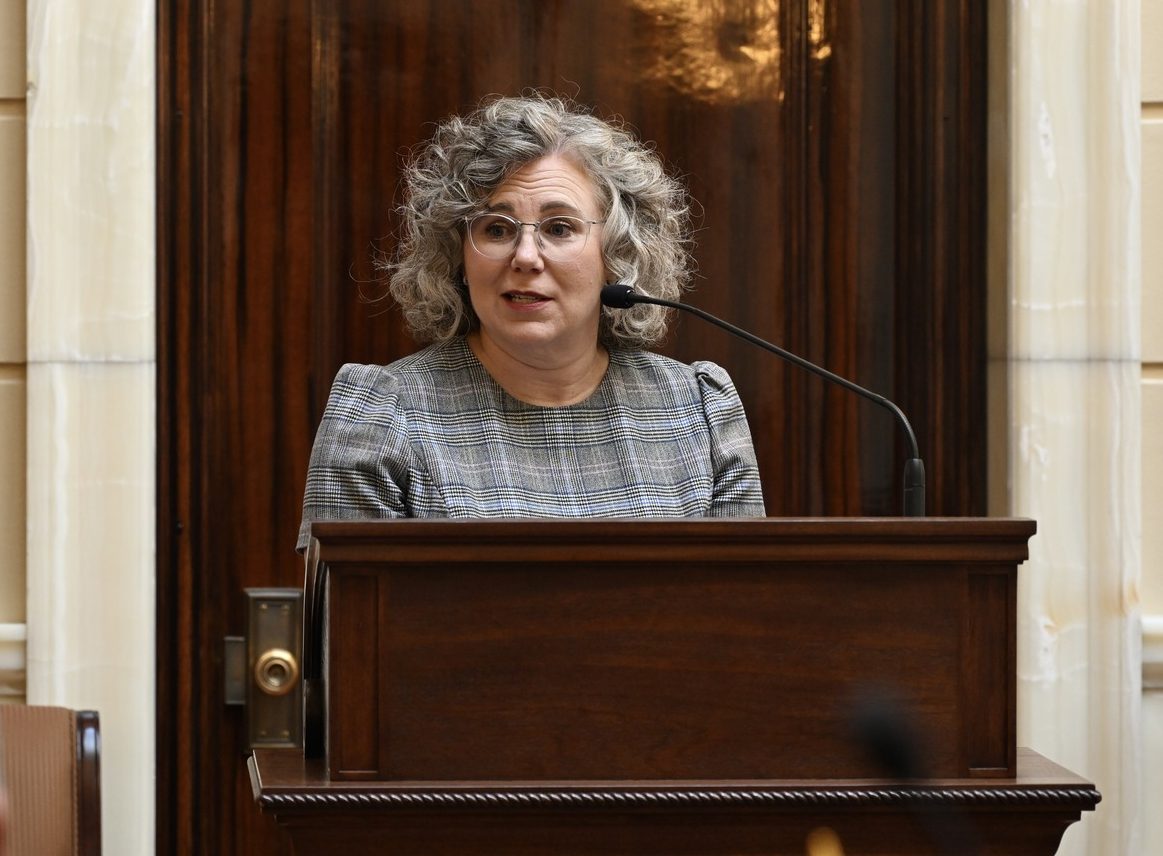
The Utah Business and Chancery Court (BCC), created by the Utah Legislature in 2023 House Bill 216, opened its doors on Tuesday, October 1, 2024. The BCC is a specialized court with statewide jurisdiction over complex commercial litigation disputes. 

The establishment of the Business and Chancery Court in Utah, as outlined in Utah Code Section 78A-5a-102, marks a significant advancement in the state judicial system, aimed at efficiently addressing complex business disputes and equitable claims. This specialized court serves to streamline legal processes for commercial matters, providing a dedicated forum for resolving intricate issues such as corporate governance, contract disputes, and other business-related litigation.

RELATED: Gov. Spencer Cox appoints Judge Rita Cornish to new Business and Chancery Court

By focusing on these areas, the court enhances the predictability and effectiveness of legal resolutions, ultimately fostering a more robust business environment in Utah. The Business and Chancery Court is a trial court with limited and statewide jurisdiction over actions and claims as described in Section 78A-5a-103.

Judge Rita Cornish has been appointed to serve as Utah’s first Business and Chancery Court Judge. To contact the BCC please call the team line at 801-238-7867 or email the team at BCCornishteam@utcourts.gov.

Utah Rules of Business and Chancery Court Procedure can be found at
https://legacy.utcourts.gov/rules/urbcp.php

Additional information will be posted on the courts website as it becomes available at https://www.utcourts.gov/en/about/courts/bc.html.

Nathanael Player receives inaugural Legal Professional Impact Award

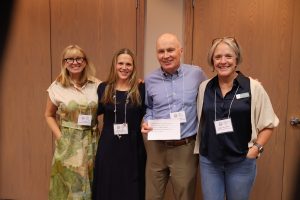
At the 6th Annual Access to Justice Summit, Nathanael Player was honored for his outstanding contributions to the legal community and his tireless efforts to increase access to justice in Utah. Former Chief Justice Christine Durham, a long-time advocate for expanding legal access, bestowed the inaugural award to Player on behalf of the Access to Justice Commission.

Photo-Nathanael Player and Christine Durham

As the director of the Utah State Courts’ Self-Help Center, Nathanael has been instrumental in providing free legal guidance and support to thousands of individuals struggling to navigate the complexities of Utah’s legal system. His work has not only helped individuals in need but has also strengthened the broader legal community’s efforts to ensure equal access to justice for all.

During the award presentation, Chief Justice Durham commended Nathanael for his dedication to helping underserved communities and highlighted his past work in San Francisco and Washington, D.C., where he represented low-income tenants facing eviction and oversaw hundreds of cases. Nathanael’s leadership and experience have been pivotal in shaping the Self-Help Center’s success and its critical role in the Utah legal system.

Kimberly Farnsworth presents Christine Durham with flowers

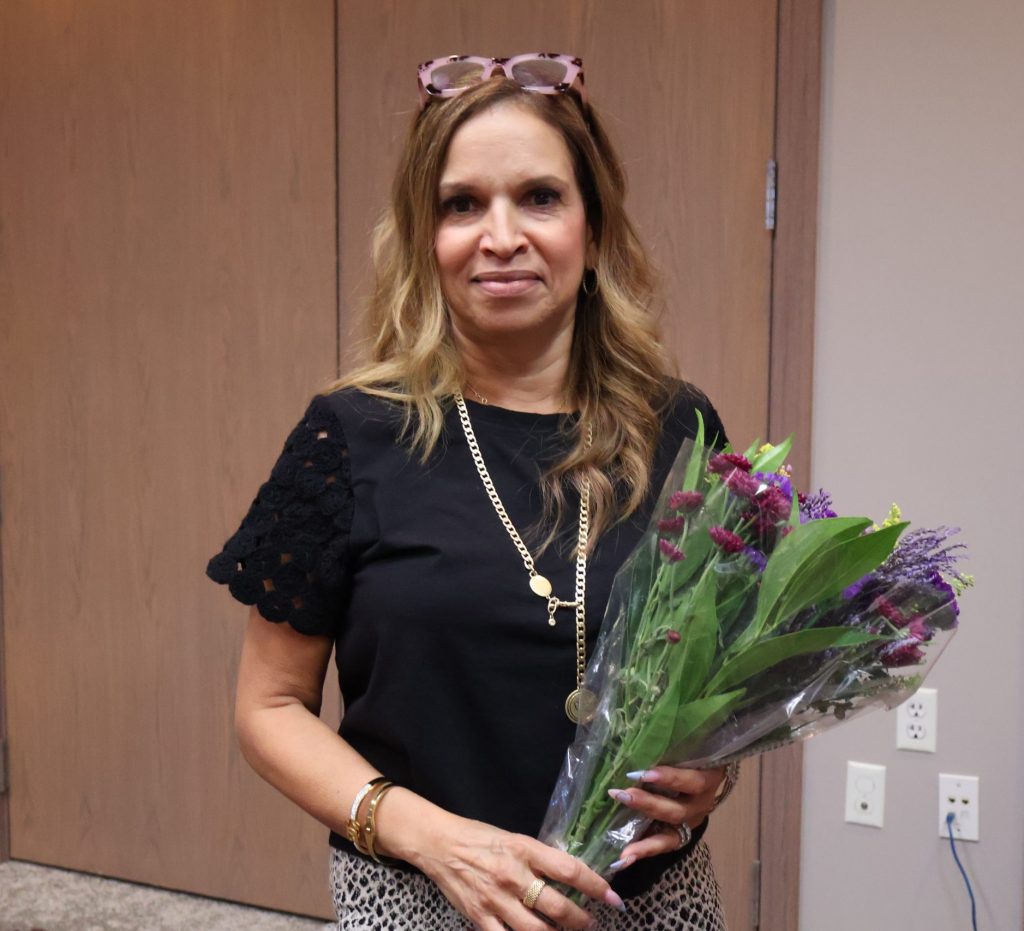
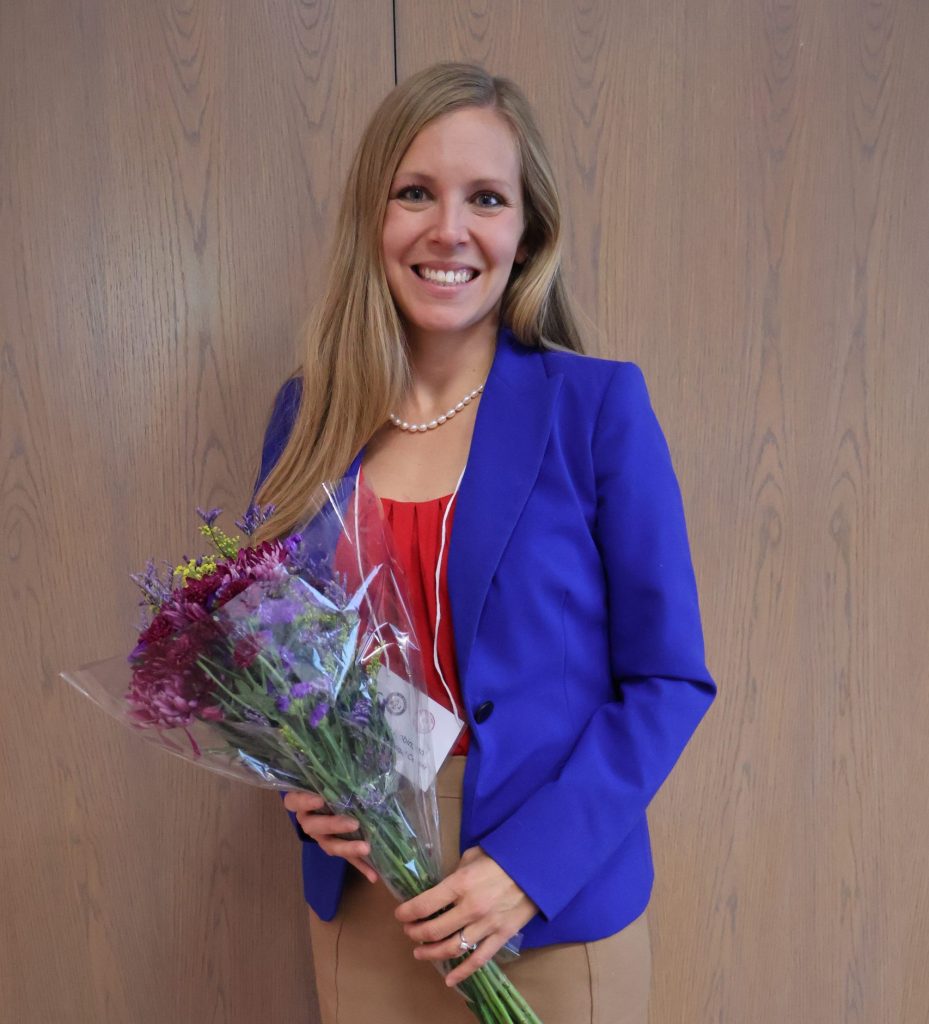
In addition to recognizing Nathanael Player, Chief Justice Durham, who has been a staunch advocate for justice throughout her career, was also celebrated at the Summit. She, along with Bonnie Rivera from Utah Legal Services and Brooke Robinson from Timpanogos Legal Center, received bouquets of flowers in recognition of their outstanding work and dedication to the Access to Justice Commission. Their combined efforts have played a key role in expanding access to legal services across the state, and their impact on the legal community continues to inspire those working toward greater equity in the justice system.

This year’s Summit highlighted the remarkable progress made in Utah’s access to justice initiatives, and Nathanael Player, along with these dedicated leaders, exemplify the spirit of service and advocacy that defines the mission of the Access to Justice Commission

Bonnie Rivera from Utah Legal Services
Brooke Robinson from Timpanogos Legal Center

Bonnie Rivera from Utah Legal Services

Brooke Robinson from Timpanogos Legal Center

6th Annual Access to Justice Summit: Being Well & Doing Good

The 6th Annual Access to Justice Summit, hosted on October 4, 2024, at the Utah Law & Justice Center, brought together 115 participants from various sectors of the legal community and beyond. This year’s summit aimed to explore innovative solutions for ensuring access to justice, particularly for underserved communities. It also offered a platform for meaningful discussions on fairness, accountability, and the evolving role of technology in the legal landscape.

Keynote Address by Sarai Cook: Collective Values and Systemic Reform

Sarai Cook

One of many highlights of the summit was the keynote speech delivered by Sarai Cook, a nationally recognized advocate and presenter for the National Trauma Awareness Initiative. Cook’s powerful presentation, titled “Using Collective Values to Drive Change in the Legal System to Ensure Access to Justice,” focused on how fundamental values like fairness, equity, and accountability can be used as guiding principles to create a legal system that works for everyone, especially vulnerable and marginalized communities.

Drawing on real-world examples from her life and work in areas like guardianship battles and debt relief, Cook emphasized the importance of shaping legal frameworks that are transparent, responsive, and grounded in human-centered narratives. Her address underscored the urgent need for legal reforms that prioritize community well-being and justice for all, sparking a rich conversation among attendees about how to implement these values in their own work​.

Plenary: Innovations and Solutions in Access to Justice

A2J Plenary Panel

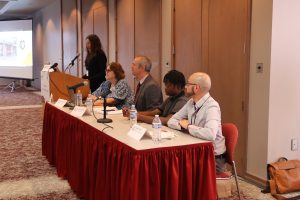
Following Cook’s keynote, the summit transitioned into a plenary session, “Innovations in Service Delivery: Meeting People Where They Are.” The panel meeting featured insightful contributions from Hon. Clemens Landau, Hon. Jeanne Robison, and Utah Self-Help Center Director Nathanael Player. Moderated by Emogene Hennick-Dunn, the session focused on how the legal system can adapt to meet the needs of individuals where they live and work, addressing barriers such as geography, technological access, and financial constraints.

Engaging the Community: One-Minute Blitz and Interactive Discussions

Wasatch Immigration Project Staff

In a particularly engaging portion of the summit, David McNeill led a One-Minute Blitz, where more than a dozen participants had the chance to quickly pitch innovative ideas or highlight pressing issues they face in their day-to-day work. Attendees were encouraged to vote and provide feedback through a digital platform, making the session highly interactive and energetic.

The Wasatch Immigration Project won the People’s Choice vote and was given $1,000. A random drawing winner of a $1,000 grant was NAACP Ogden.

Breakout Sessions: Solutions for Legal Professionals and Community Advocates

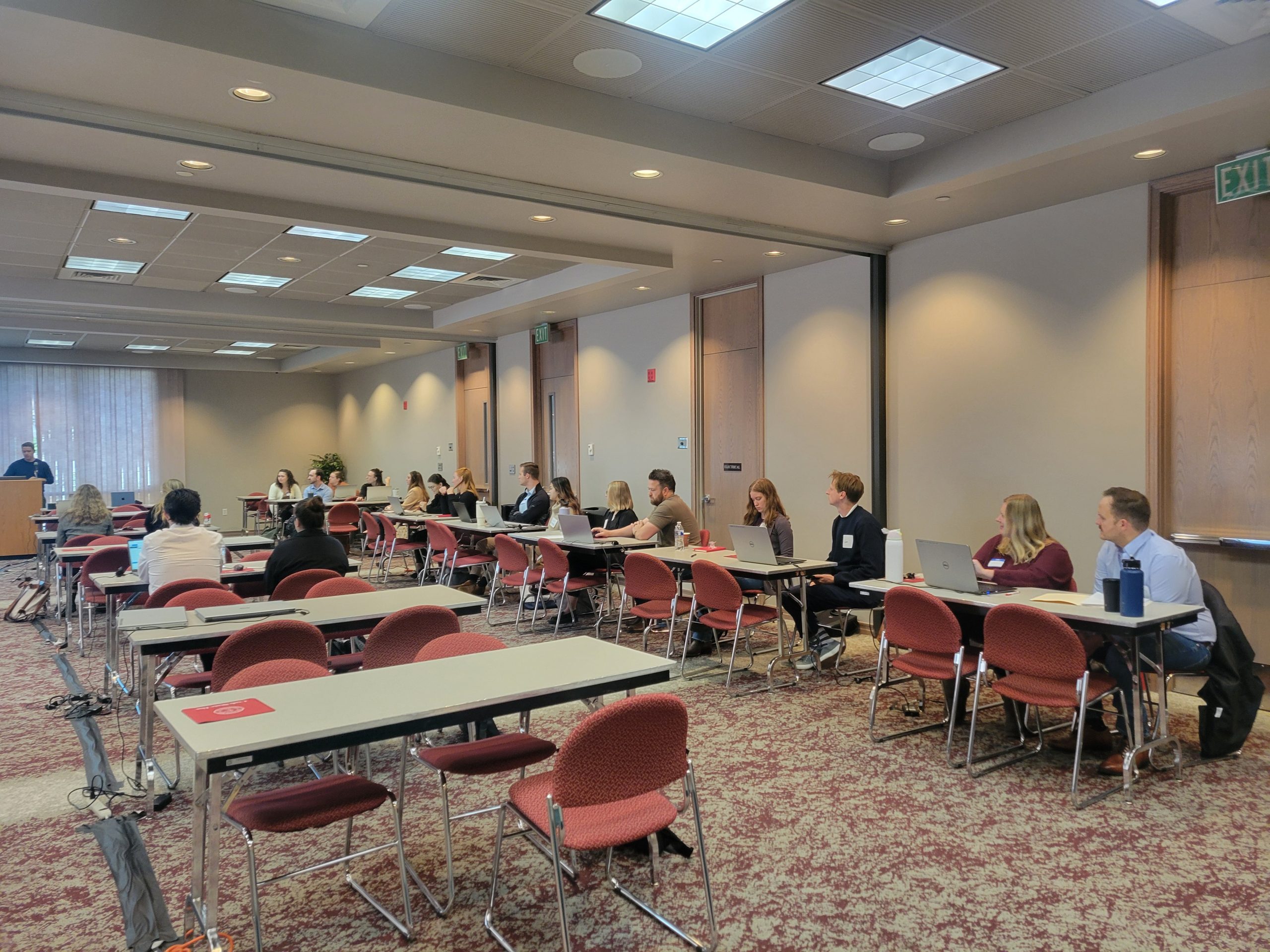
A2J Breakout Session

The afternoon was devoted to a choice of breakout sessions that catered to both legal professionals and community advocates. Topics ranged from Avoiding Burnout: Emotional Intelligence and the Thriving Practitioner to Technology and Accountability in Access to Justice Work. Participants were able to choose sessions that aligned with their interests, ensuring they left the summit with actionable insights.

One standout session, Fairness and Accountability in Access to Justice Work, featured speakers such as Appellate Courts Administrator Nicholas Stiles and former Utah Supreme Court Chief Justice Christine Durham. The discussion emphasized how systemic inequalities can be addressed through intentional and focused efforts in the legal sector​.

Looking Forward: A Commitment to Access to Justice

A2J Summit - two male attorneys shaking hands

As the summit concluded, there was a clear sense of shared purpose among participants to continue driving change in Utah’s legal system. The closing remarks highlighted the importance of collaboration and community engagement in ensuring that everyone has access to legal services, no matter what their background or circumstances.

With 115 attendees, numerous thought-provoking sessions, and invaluable insights from speakers like Sarai Cook, the 6th Annual Access to Justice Summit was a significant step forward in the ongoing effort to make Utah’s legal system more inclusive and just for all. The conversations started at the summit are sure to inspire continued action and reform in the months to come.

Thank You to Our Sponsors

A special thanks goes to the sponsors who made this impactful day possible. Their support ensures that conversations about access to justice continue to be at the forefront of Utah’s legal community.

Snell & Wilmer logo
Harley Hull Lending & Services, LLC logo
Kirkland & Ellis logo
Utah Bar Foundation logo

Search UtahBar.org